
The Rogue Prince of Persia: Navigating Its Own Path Beyond Dead Cells’ Imposing Shadow in Early Access









Popular Now
 Among Us
 Schedule I
 NBA 2K24
 Fortnite
 CarX Street
 Brawl Stars
 Black Myth: Wukong
 Counter-Strike 2
 Roblox
 Candy Crush Saga
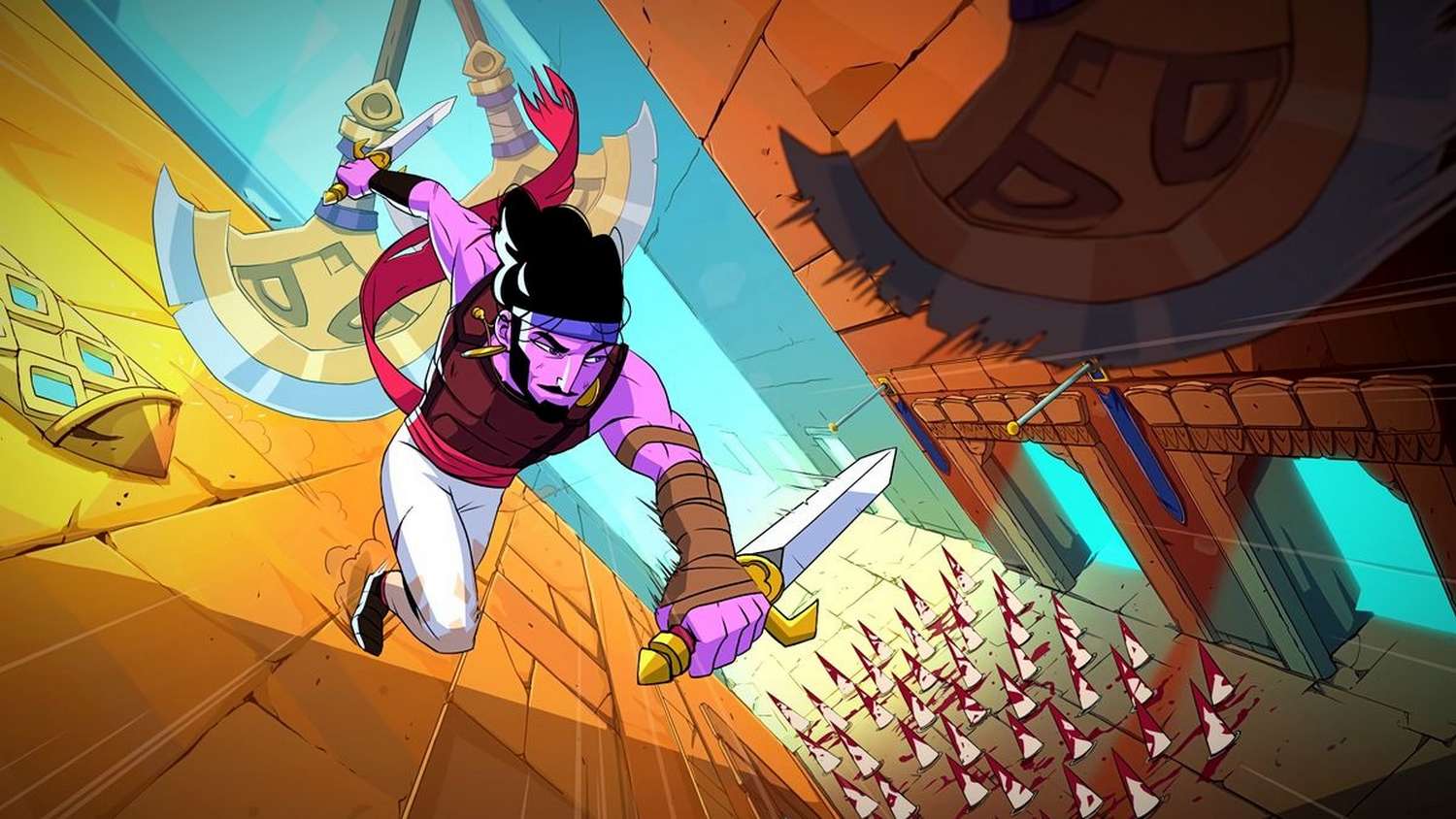
In the fiercely competitive realm of roguelite action-platformers, where innovation and fluid combat are paramount, a new contender has emerged: The Rogue Prince of Persia. Developed by Evil Empire, the studio intimately involved in the success of the acclaimed Dead Cells, and published by Ubisoft, this title naturally carries a weighty legacy. As it steps into the early access spotlight, the immediate and perhaps unavoidable question is: can it truly forge its own identity, or will it remain perpetually in the shadow of its illustrious predecessor?
Initial impressions and critical reception from the gaming industry and avid PC gaming community suggest a compelling, yet distinct, experience. While the DNA of high-octane, procedurally generated challenges is undeniably present, The Rogue Prince of Persia strives for a unique flavor, emphasizing acrobatic parkour and a more methodical, though still demanding, combat system.
The Inescapable Comparison: Dead Cells’ Monumental Legacy
To understand the expectations placed upon The Rogue Prince of Persia, one must first acknowledge the colossal impact of Dead Cells. Motion Twin’s and Evil Empire’s masterpiece redefined the roguelite genre, blending tight Metroidvania-inspired exploration with relentless combat, deep progression, and a distinct pixel art style. Its fluid controls, vast weapon synergy, and challenging difficulty earned it widespread critical acclaim and a massive, dedicated player base, making it a benchmark for excellence in the indie game space. For Evil Empire, a studio that spent years contributing to Dead Cells’ extensive post-launch content, stepping out to craft their own IP within a similar genre is both an advantage and a monumental challenge. The sheer quality and depth of their previous work set an incredibly high bar, shaping both developer ambition and player anticipation for their next endeavor.
This shared lineage means that every design choice, every gameplay mechanic in The Rogue Prince of Persia is scrutinized through the lens of what made Dead Cells so successful. From the responsiveness of the controls to the satisfaction of each enemy encounter, players are instinctively drawing parallels, searching for both familiar comforts and novel departures.
 Acrobatic Freedom and Strategic Combat: Core Gameplay Mechanics
The Rogue Prince of Persia immediately distinguishes itself with a heavy emphasis on movement and traversal. The Prince, renowned for his agility, takes center stage with a robust parkour system that feels intuitive and empowering. Wall-running, vaulting over obstacles, and seamlessly transitioning between environmental elements are not just aesthetic flourishes but integral to both exploration and combat. This focus on verticality and environmental interaction provides a refreshing take on the roguelite platformer, encouraging players to think spatially and utilize the arena to their advantage. Unlike the more grounded, aggressive engagements of Dead Cells, the Prince’s combat often involves initiating attacks from above, dodging through enemy formations with acrobatic flair, and using his surroundings to gain a tactical edge.
The combat system, while possessing a familiar responsiveness, also carves out its own identity. Players utilize a variety of melee weapons, from dual daggers to longer spears, alongside ranged secondary tools like bows and kick attacks that can stun or reposition enemies. The flow is less about overwhelming force and more about precise timing, parrying, and exploiting enemy vulnerabilities. Each encounter feels less like a mosh pit and more like a deadly dance, requiring players to master the art of evasion and calculated strikes. This nuanced approach to combat, coupled with the ever-present threat of permadeath, demands a different kind of mastery, one that prioritizes situational awareness and agile execution.
Visual Identity and Early Access Potential
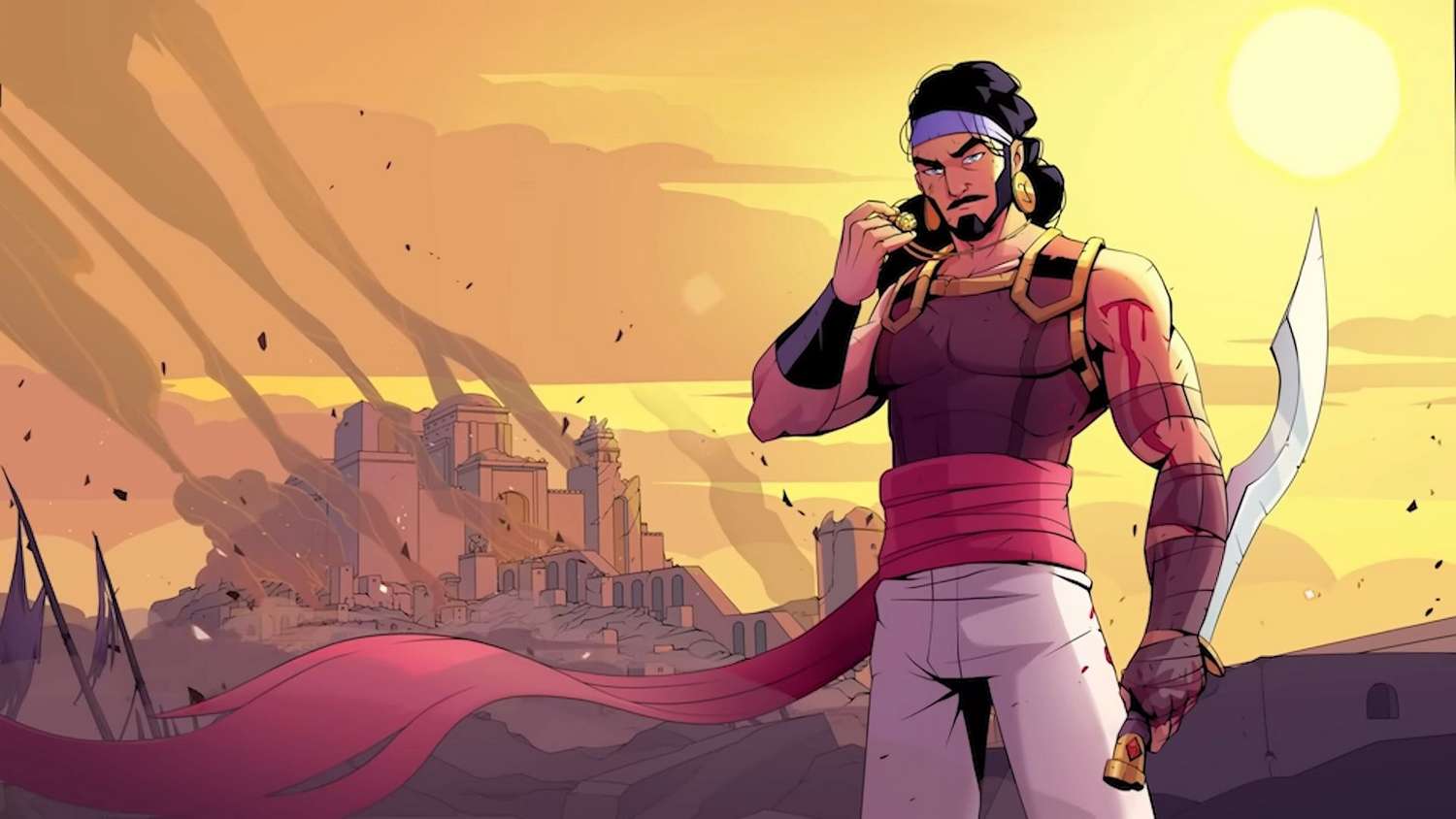
Visually, The Rogue Prince of Persia opts for a vibrant, hand-drawn aesthetic that is a significant departure from Dead Cells’ pixel art. This bold artistic direction helps to create a distinct identity, embracing the fantastical elements of Persian mythology with a clean, animated style. The character models are expressive, the environments lush, and the overall presentation is polished, showcasing the technical prowess of Evil Empire. This visual departure is a clear statement: this is not just a reskin; it’s a reinterpretation of roguelite principles within a new, culturally rich framework.
However, being an early access title, it inevitably faces the challenges inherent in ongoing development. While the core gameplay loop is engaging, the current build, as observed by various gaming news outlets and player feedback, indicates areas for growth. Some players have expressed desires for greater weapon variety, more distinct enemy archecules, and a deeper sense of progression between runs. The balancing of difficulty and the feeling of empowerment as one gains upgrades are crucial aspects that Evil Empire will undoubtedly refine based on community feedback. The recent decision to delay its launch to incorporate additional polish and address player feedback underscores the developer’s commitment to delivering a high-quality product, demonstrating a responsive approach to the early access model.
Forging an Independent Path: Distinguishing Features and Future Prospects
While the shadow of Dead Cells looms large, The Rogue Prince of Persia possesses several key features that set it apart. The aforementioned parkour system is its most evident unique selling point, transforming traversal into an active, engaging mechanic rather than just a means to an end. The integration of meta-progression elements, which grant persistent buffs or unlock new abilities across runs, also points towards a slightly different roguelite philosophy, one that might be more forgiving or provide a clearer sense of long-term achievement for some players. The narrative, albeit lightly touched upon in early access, also offers the potential for a richer story experience rooted in the iconic Prince of Persia lore, something Dead Cells, by design, largely eschewed.
For The Rogue Prince of Persia to truly vault beyond its predecessor’s legacy, it must continue to lean into these unique elements. It needs to expand on the environmental interactions, introduce more complex parkour challenges, and ensure that its combat system evolves to match the agility of its protagonist. Future updates will be critical in delivering on the promise of a truly distinct and compelling roguelite. The game needs to establish an undeniable reason for players to choose it, not just as a competent alternative, but as a genre-defining experience in its own right.
 The Critical Journey Ahead: Player Feedback and Development Iterations
The early access phase is a crucible, and for a game with such prominent lineage, the heat is intense. Evil Empire’s ability to listen to player feedback, iterate rapidly, and introduce compelling new content will determine its long-term success. Addressing concerns regarding enemy variety, boss encounters, and the overall ‘stickiness’ of the meta-progression will be vital. High-CPC keywords in the gaming industry often revolve around innovation, replayability, and polished gameplay, all of which will need constant attention.
The challenge is not merely to be ‘good,’ but to be ‘unforgettable’ in a genre saturated with excellent titles. This demands more than just competent execution; it requires creative risks, surprising mechanics, and an unwavering commitment to a unique vision. While Ubisoft’s publishing might bring a broader audience and marketing muscle, the core iterative development falls squarely on Evil Empire’s shoulders.
Ultimately, The Rogue Prince of Persia finds itself at a fascinating crossroads. It benefits from the pedigree of a studio synonymous with roguelite excellence, yet it must contend with the immense pressure of living up to that very standard while simultaneously charting its own course. It has a strong foundation: a captivating art style, solid parkour mechanics, and a respectable combat system. But to truly stand tall and etch its own place in the annals of top games, it must continue to refine its identity, embrace its distinctive features, and evolve into something more than just a spiritual successor. The journey through early access will be a testament to its potential, and indeed, its ability to vault off, rather than merely cling to, the towering legacy of Dead Cells.