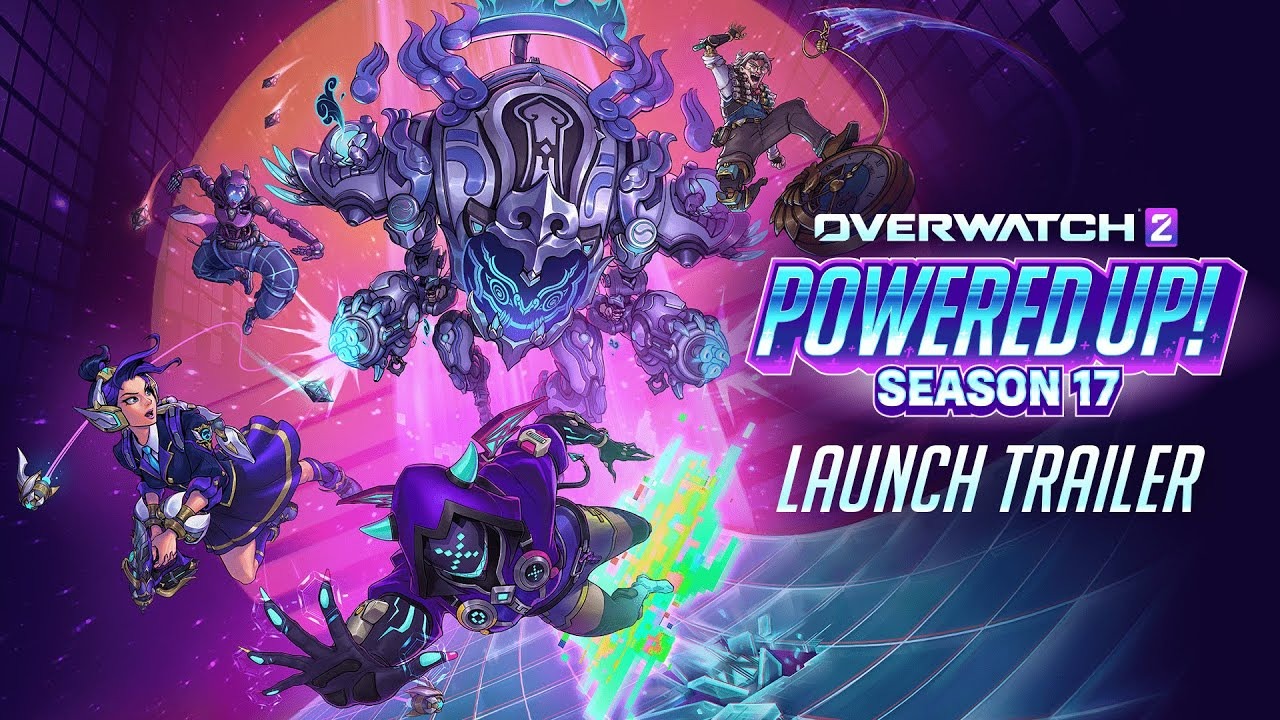
Overwatch 2’s Latest Mythic Skin Sparks ‘Pay-to-Lose’ Controversy, Threatening Competitive Integrity









Popular Now
 God of War Ragnarök
 The Legend of Zelda
 Toca Boca World
 League of Legends
 Geometry Dash
 Genshin Impact
 Warframe
 Call of Duty
 Fortnite
 NBA 2K24
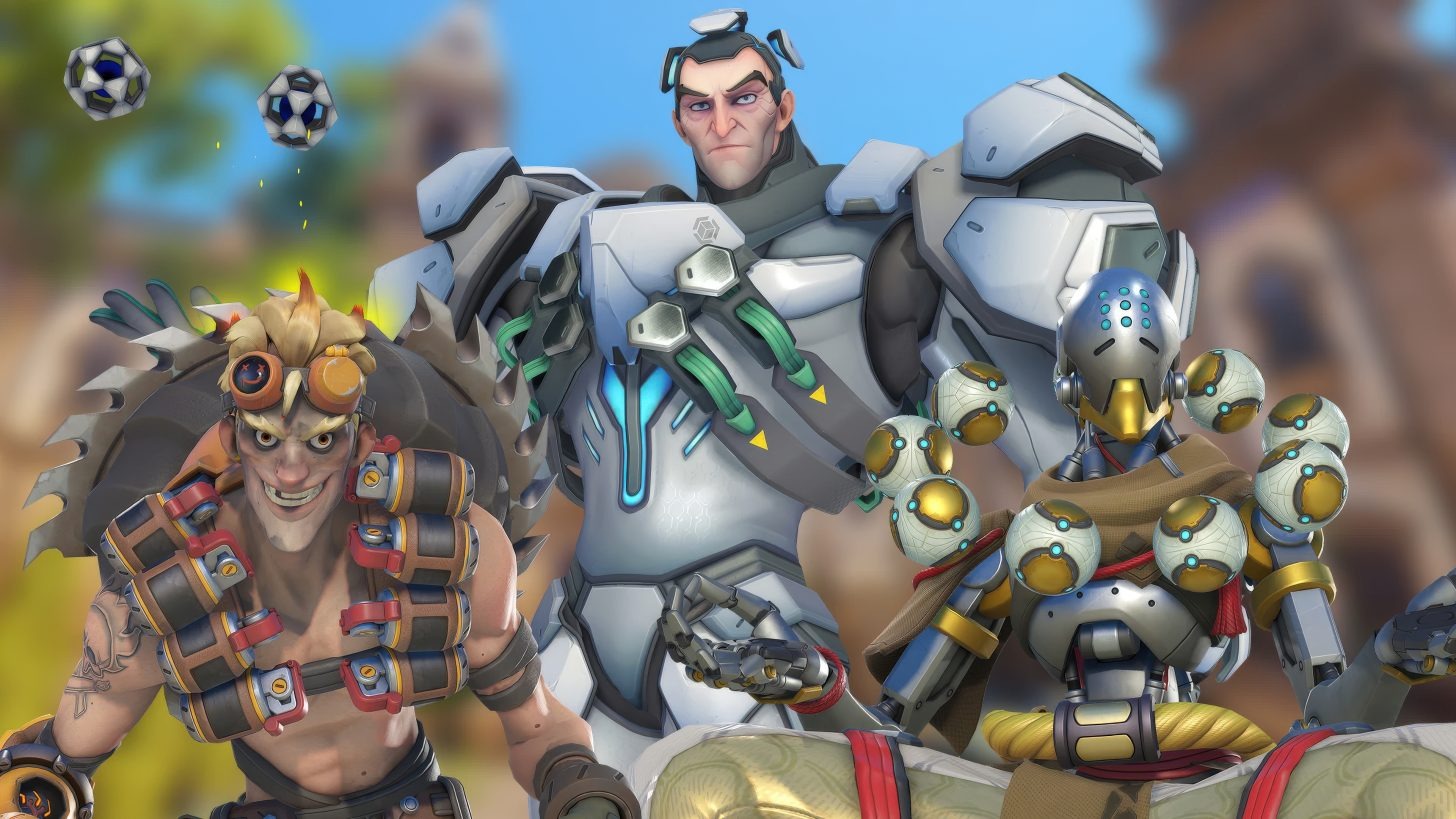
Overwatch 2’s Latest Mythic Skin Sparks ‘Pay-to-Lose’ Controversy, Threatening Competitive Integrity
In the dynamic and highly competitive world of first-person shooters, cosmetic items are typically designed to enhance player immersion and provide visual flair without impacting core gameplay. However, a significant controversy is brewing within the Overwatch 2 community, centered around the game’s latest Mythic skin. Players are increasingly reporting that this premium cosmetic, acquired through significant investment in the Battle Pass, inadvertently creates a ‘pay-to-lose’ scenario, undermining fair play and raising serious questions about game balance and Blizzard Entertainment’s monetization strategy.
The ‘pay-to-lose’ designation is not one that any developer wants associated with their high-value, premium content. For Overwatch 2, a title that prides itself on tactical hero shooter gameplay and a thriving esports scene, the implications are particularly severe. The issue stems from several design elements of the new Mythic skin that, rather than offering a purely aesthetic upgrade, reportedly confer unintended disadvantages to the wearer. These disadvantages range from visual clutter that obstructs the player’s own view during crucial moments to altered character models that potentially create misleading or enlarged hitboxes, making the wearer an easier target for opponents. The competitive integrity of Overwatch 2 is now under scrutiny, as players who invest in these high-end skins find themselves at a disadvantage in ranked matches, an unwelcome surprise for those seeking to climb the leaderboards.
The Core of the Problem: Visual Clutter and Hitbox Anomalies
The primary complaints from the Overwatch 2 player base revolve around two critical areas: visual obstruction and potential hitbox discrepancies. Many players purchasing the latest Mythic skin have reported that its intricate animations, particle effects, and unique weapon models, while visually impressive, actively hinder their ability to track enemies, identify critical visual cues, or aim precisely. In a fast-paced shooter like Overwatch 2, where split-second decisions and pinpoint accuracy are paramount, any form of visual impediment can be the difference between victory and defeat. This is especially problematic for heroes whose kits rely heavily on precise targeting or environmental awareness, turning what should be a coveted aesthetic into a genuine gameplay handicap.
Furthermore, whispers and unconfirmed reports suggest that the elaborate designs of some premium skins, including the latest Mythic offering, might not perfectly align with the underlying character hitboxes. While Blizzard Entertainment has historically maintained strict control over hitbox consistency across all skins, the visual bulk or unique silhouettes of certain cosmetics could give the impression of a larger target area. Even if the actual hitbox remains unchanged, the psychological effect and the visual information presented to an opponent can create a perception of an easier target, leading to more accurate shots against the Mythic skin wearer. This perception alone can erode player confidence and create an uneven playing field, directly impacting the overall player experience and the perceived value of these expensive cosmetic purchases.
Community Reaction and Implications for Competitive Play
The Overwatch 2 gaming community has reacted with a mix of disappointment and frustration. Forums, social media platforms, and prominent streamers are abuzz with discussions, analyses, and direct comparisons showcasing how the Mythic skin’s visual effects can impede gameplay. Players feel that their investment in the premium Battle Pass, which requires significant time or monetary commitment, should never result in a tangible disadvantage. This sentiment is particularly strong among competitive players and aspiring esports professionals, for whom every millisecond and pixel matters. The idea that paying for a cosmetic could negatively impact their performance in crucial ranked games is antithetical to the spirit of fair competition.

The ‘pay-to-lose’ phenomenon carries significant implications for Overwatch 2’s competitive ecosystem. If high-tier skins actively hinder performance, it forces a difficult choice upon players: sacrifice aesthetic preference for competitive advantage, or risk performance for a desired look. This creates an unhealthy dynamic where premium content becomes a liability, potentially alienating a segment of the player base that supports the game through microtransactions. For a game that is free-to-play, relying heavily on cosmetic sales for revenue, such controversies can undermine player trust and long-term engagement. Blizzard’s development team faces the challenge of addressing these concerns swiftly and transparently to reassure its dedicated player base and maintain the integrity of its competitive environment.
Blizzard’s Responsibility and Future Prospects
Addressing the ‘pay-to-lose’ concerns surrounding the latest Mythic skin is paramount for Blizzard Entertainment. Historically, game developers have occasionally faced similar issues, often resolving them through prompt patch updates that adjust visual effects, refine character models, or clarify hitbox alignments. The expectation from the Overwatch 2 community is clear: a thorough investigation into the reported issues and transparent communication regarding any necessary fixes. The development team must prioritize game balance and player fairness over purely aesthetic considerations when designing future premium cosmetics. Ensuring that all skins, regardless of their rarity or acquisition cost, adhere to strict gameplay neutrality is essential for upholding the competitive spirit of Overwatch 2.
Furthermore, this incident serves as a crucial learning opportunity for Blizzard’s monetization strategy. The value proposition of a premium cosmetic in a competitive game lies in its ability to offer personalization without hindering performance. When that balance is disrupted, the perceived value diminishes, potentially impacting future Battle Pass sales and player spending. Rebuilding player confidence will require not only rectifying the current issue but also implementing more rigorous internal testing protocols for new cosmetics, specifically evaluating their impact on player visibility, targeting, and overall gameplay feel across all heroes and maps. The continued success of Overwatch 2 in the highly competitive hero shooter market hinges on its ability to listen to player feedback, adapt to challenges, and consistently deliver a fair and engaging gaming experience for all.
Ultimately, the controversy surrounding Overwatch 2’s latest Mythic skin underscores the delicate balance developers must strike between monetization and maintaining competitive integrity. For a game that boasts millions of players globally and a vibrant esports scene, ensuring that premium purchases never translate into a gameplay disadvantage is non-negotiable. The gaming community now awaits a decisive response from Blizzard Entertainment, hoping for a resolution that reinforces their commitment to a fair and balanced Overwatch 2 experience for every player, regardless of their chosen aesthetic.