
Fortnite’s Stranger Things Crossover: Unpacking the Glaring Character Omissions and Fan Disappointment








Popular Now
 Rust
Rust
 Grand Theft Auto V
 Valorant
 FIFA 23
 Candy Crush Saga
 R.E.P.O
 Toca Boca World
 Fortnite
 Stumble Guys
 EA SPORT FC 25
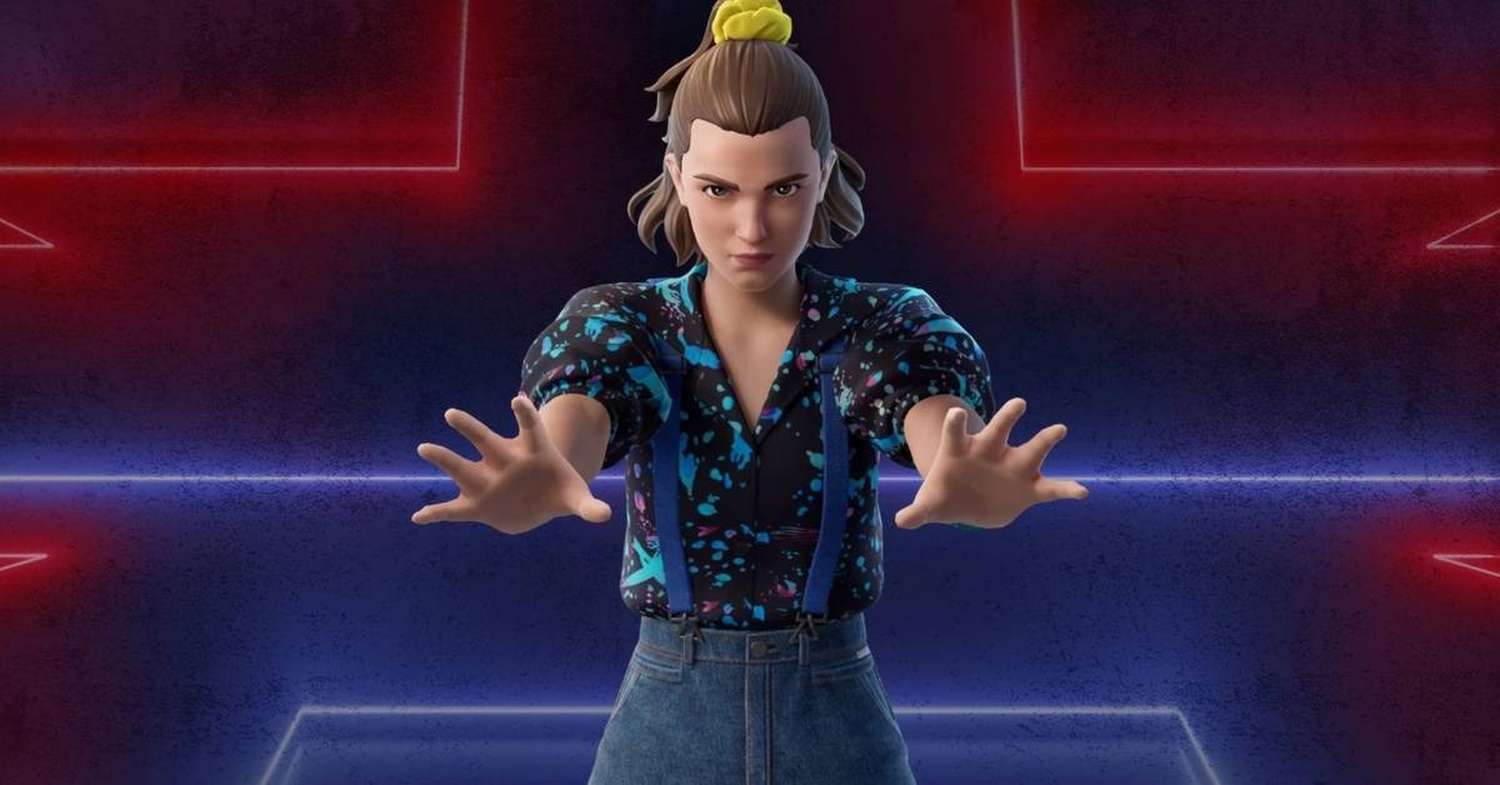
Fortnite, Epic Games’ colossal battle royale phenomenon, has long been celebrated for its groundbreaking collaborations that seamlessly blend disparate universes into its vibrant ecosystem. From Marvel superheroes to iconic Star Wars characters, these partnerships are pivotal in maintaining player engagement and driving significant revenue streams. The return of the Stranger Things collaboration has, predictably, generated considerable buzz. However, a closer examination reveals a glaring omission in the selection of character skins that has left a significant portion of the player base and franchise fans feeling overlooked.
The Legacy of Fortnite’s Cross-Promotional Prowess
Epic Games has masterfully leveraged intellectual property (IP) licensing to create a unique gaming experience, turning Fortnite into a premier platform for pop culture crossovers. These collaborations are more than just cosmetic additions; they often introduce limited-time game modes, storyline elements, and themed events that immerse players deeper into the respective franchises. This strategic approach to entertainment marketing not only attracts new players but also reignites interest among dormant users, proving highly effective in the competitive gaming industry landscape. The previously released Stranger Things skins, including Chief Hopper and the Demogorgon, were met with widespread enthusiasm, setting a high bar for subsequent content releases.
What We Received: A Glimpse into the Upside Down
The initial Stranger Things collaboration brought beloved elements from the critically acclaimed Netflix series into the Fortnite universe. Players could don the uniform of Hawkins’ police chief or embody the terrifying creature from the Upside Down. More recently, the ‘Eleven’ skin arrived, offering fans the chance to play as the series’ powerful protagonist. These premium digital assets quickly became coveted items within the game’s extensive cosmetic locker, demonstrating the strong market demand for well-executed character representations. Each new addition serves as a testament to the ongoing appeal of the series and Fortnite’s capacity to translate its essence into playable content.
The Glaring Omission: Fan Favorites Left in the Shadows
Despite the excitement surrounding the return of Stranger Things content, the absence of key characters from later seasons has become a central point of discussion and disappointment within the community. Specifically, the highly anticipated skins for characters like Vecna, the formidable antagonist of Season 4, and the beloved breakout character, Eddie Munson, are conspicuously missing. Both characters played pivotal roles in recent narratives, captivating audiences globally and becoming instant fan favorites. Their omission feels like a significant missed opportunity, especially given their distinct aesthetics and compelling backstories that would translate exceptionally well into unique Fortnite character models and cosmetic bundles.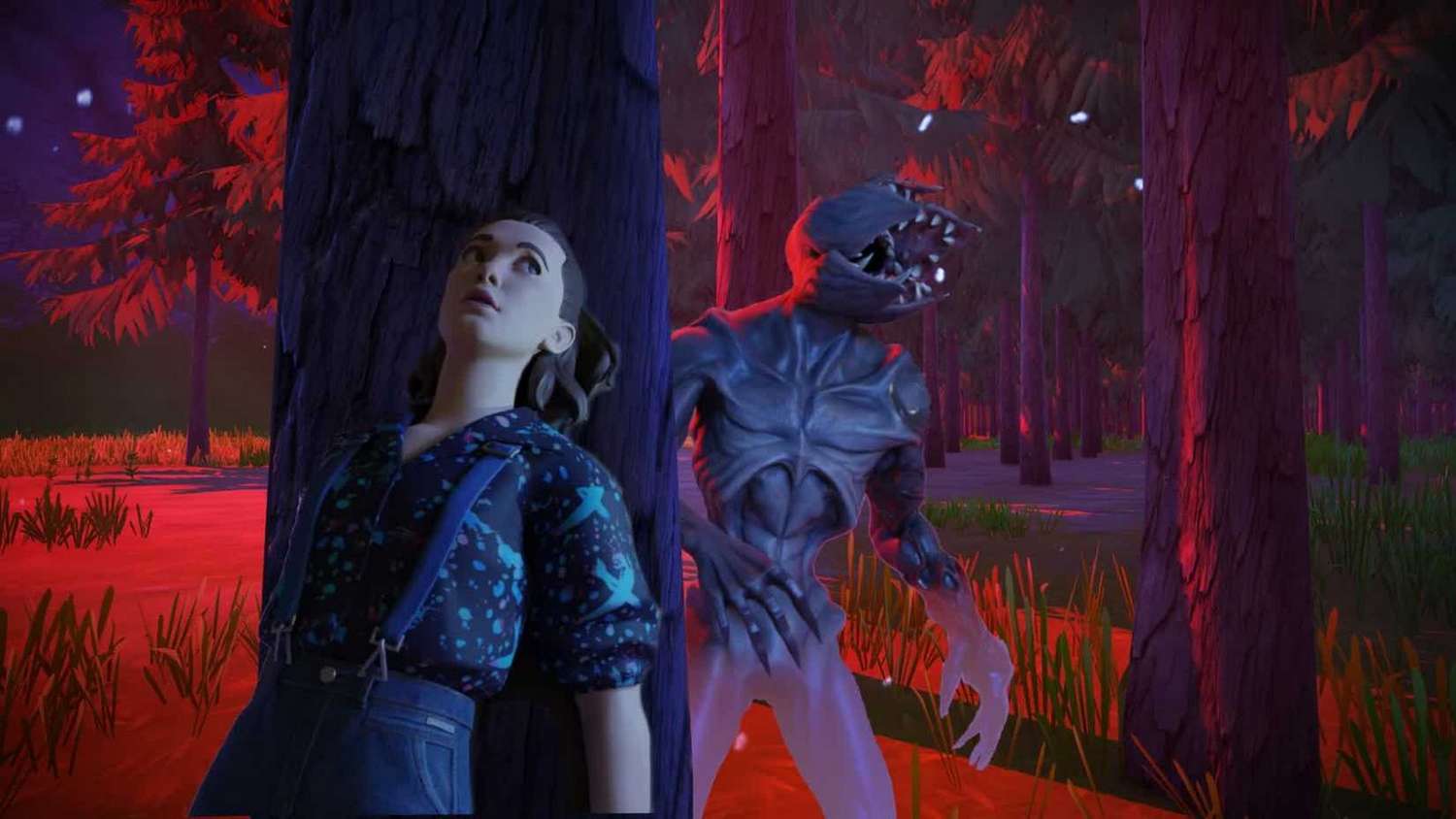
- Vecna: As the overarching villain of recent seasons, Vecna’s terrifying design and immense power make him an ideal candidate for an iconic Fortnite skin, complete with unique visual effects and potential emotes. His inclusion would offer a dark, menacing option contrasting with existing skins.
- Eddie Munson: The charismatic leader of the Hellfire Club resonated deeply with viewers, becoming a cultural phenomenon. A skin commemorating Eddie, perhaps with his guitar as a harvesting tool or a custom backbling, would undoubtedly be a bestseller, tapping into significant emotional investment from the fanbase.
- Max Mayfield (Season 4): While Eleven received a skin, a version of Max from Season 4, particularly during her pivotal moments, also represents a strong narrative and visual opportunity that hasn’t been fully realized.
Impact on Player Engagement and Potential Revenue Streams
The decision to omit these characters carries tangible implications for both player engagement and potential gaming revenue streams. In a game driven by visual customization and personal expression, character skins are not just an aesthetic choice; they are a direct representation of player identity and connection to beloved franchises. When highly requested and narratively significant characters are excluded, it can lead to a sense of unfulfilled expectation, potentially impacting the willingness of players to invest further in cosmetic purchases.
From an economic standpoint, the absence of Vecna and Eddie Munson likely represents a significant amount of lost revenue for Epic Games. These characters hold immense appeal, and bundles featuring them could command premium prices, driving considerable microtransaction purchases. The robust market for virtual items in Fortnite indicates that players are willing to spend on content that resonates deeply with them. Missing out on such popular figures means leaving substantial financial opportunity on the table, especially for digital assets tied to such a powerful global IP as Stranger Things.
The Complexities of IP Licensing and Development Challenges
The reasons behind such omissions are often multifaceted, ranging from complex intellectual property licensing negotiations to the technical challenges of developing high-fidelity character models that fit Fortnite’s unique art style and gameplay mechanics. Licensing agreements can be intricate, involving multiple stakeholders and detailed rights specifications. Furthermore, creating a new character skin, especially one as detailed as Vecna or Eddie Munson would require significant development resources, including concept art, 3D modeling, texturing, rigging, animation, and quality assurance. These processes can be time-consuming and expensive, potentially influencing which characters are prioritized for release.
Looking Ahead: The Future of Fortnite’s Collaborative Strategy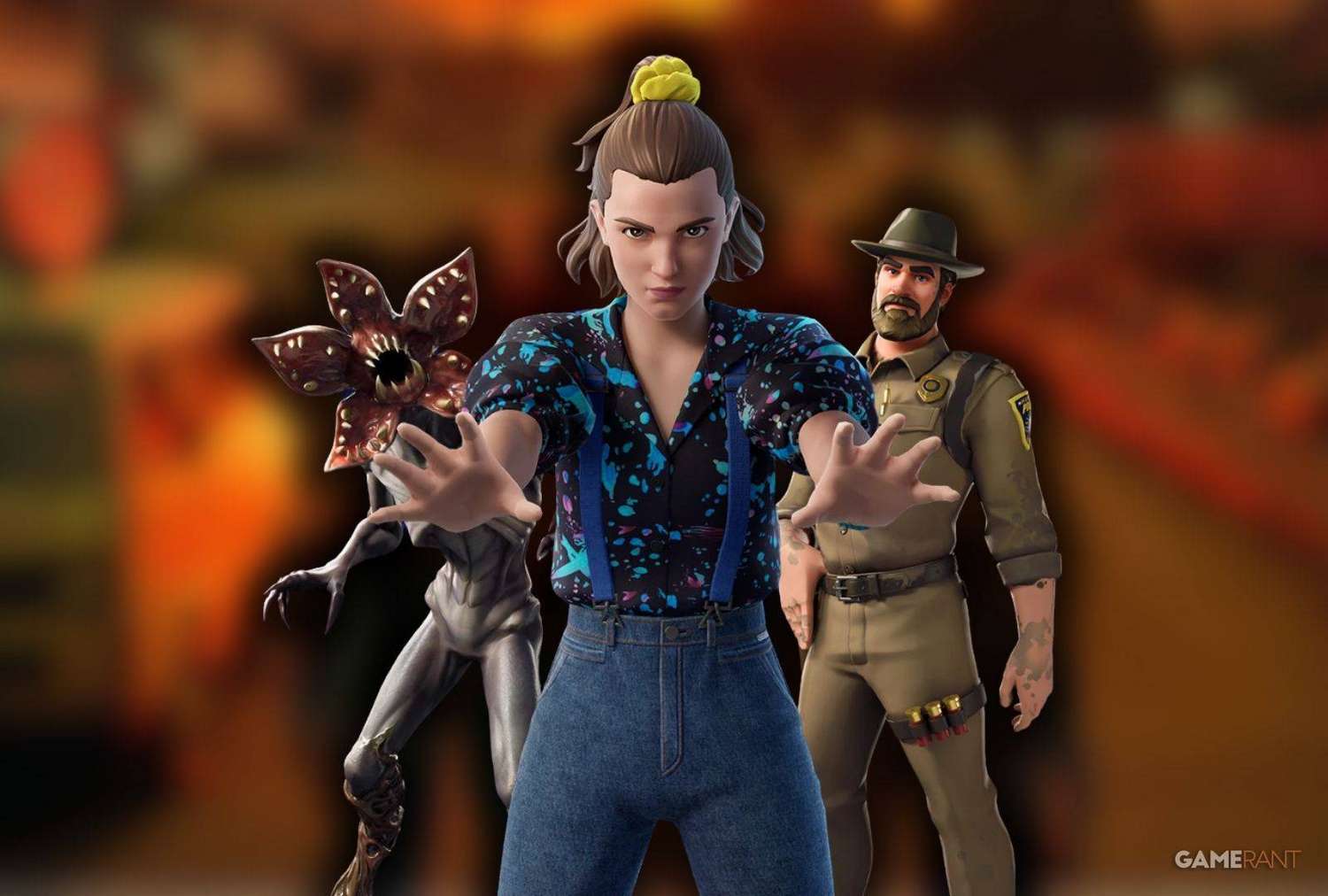
While the current omissions are a point of contention for many, Fortnite’s history suggests that new content is always on the horizon. The ongoing evolution of both the game and the Stranger Things narrative leaves room for future additions. However, this situation serves as a critical case study for Epic Games regarding community feedback and the importance of a comprehensive approach to pop culture crossovers. Listening to the player base, particularly concerning highly requested characters, can significantly enhance player satisfaction and ensure that future collaborations maximize their potential impact, both culturally and financially.
Ultimately, while the current Stranger Things collaboration brings exciting elements, the glaring absence of key characters like Vecna and Eddie Munson highlights a potential disconnect between fan expectations and content delivery. For a game that thrives on its ability to integrate iconic cultural touchstones, fully capitalizing on the depth and breadth of a franchise like Stranger Things remains a crucial endeavor for sustained success in the ever-evolving gaming entertainment market.