
A Scrapped Concept for the Original ‘Alien’ Finds New Life in ‘Alien: Earth’










Popular Now
Valorant
 Free Fire Max
 FIFA 23
 Gacha Club
 CarX Street
 Call of Duty
 Warframe
 Counter-Strike 2
 Stumble Guys
 League of Legends
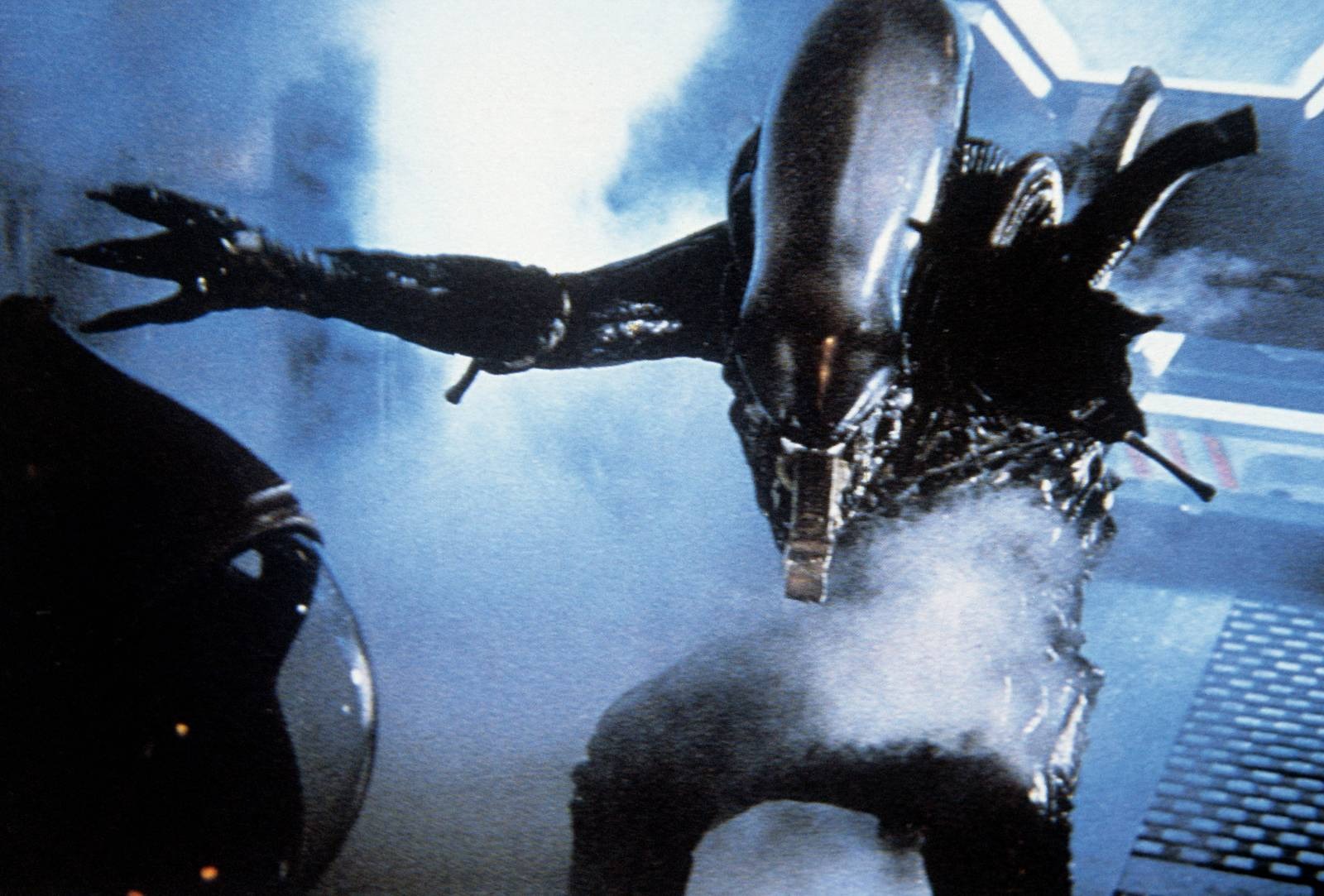
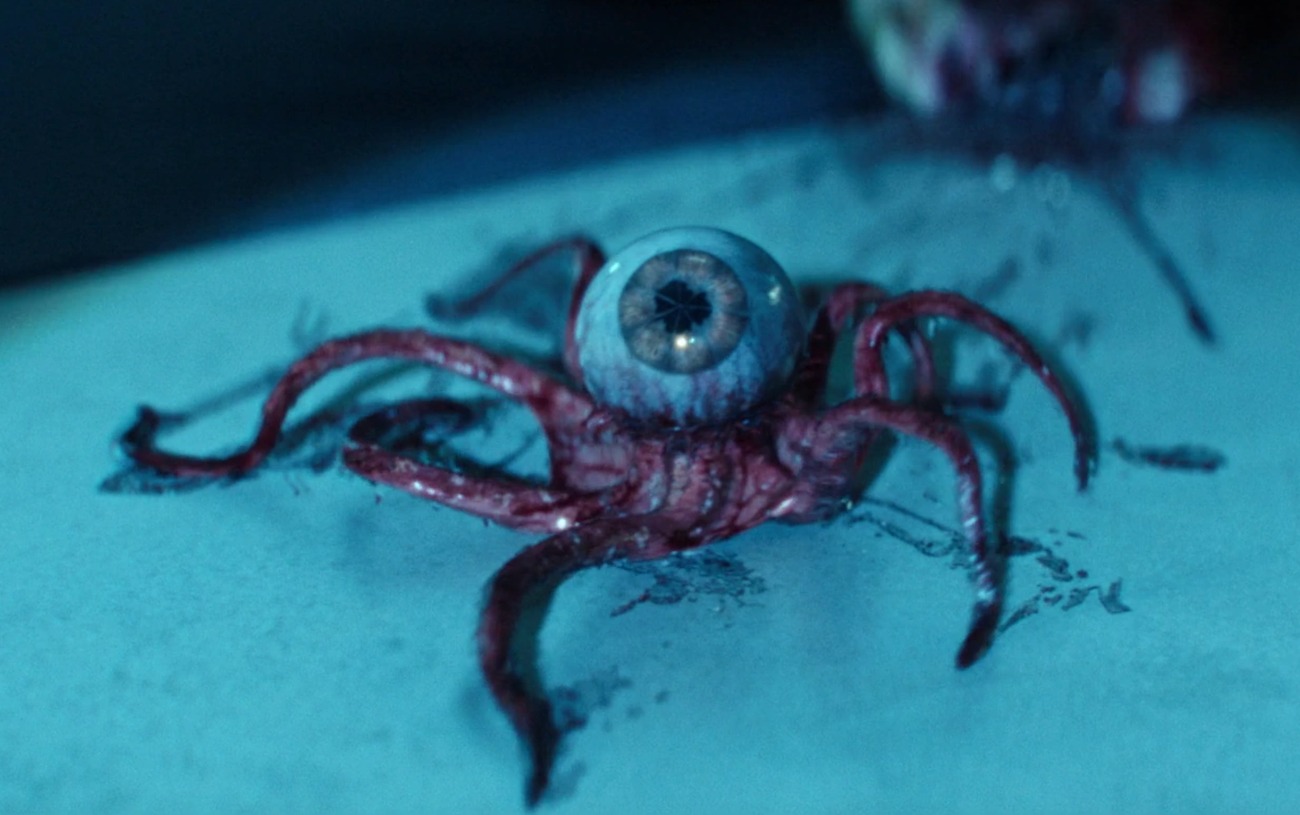
The nightmarish “eyeball monster”—officially named the T. Ocellus, or the ‘Eye’—that has been terrifying viewers of the new sci-fi horror series ‘Alien: Earth’ was directly inspired by a deeply disturbing plot twist that director Ridley Scott originally conceived for his 1979 masterpiece, Alien.
Showrunner Noah Hawley, the creative force behind ‘Alien: Earth,’ revealed the surprising genesis of the parasitic creature, which takes over its host by burrowing into an eye socket, during a recent interview. The monster’s ability to manipulate its host and possess a chilling, observing intelligence is a direct tribute to a concept Scott ultimately abandoned for the Xenomorph itself.
The Terrifying Twist Ridley Scott Never Used
Hawley confirmed that the inspiration came from a conversation with Ridley Scott. The original, discarded plot point was centered on making the Xenomorph a much more insidious and psychologically tormenting antagonist:
“There was a moment Ridley told me [about],” Hawley explained. “That what he wanted to do was that he wanted to have the xenomorph kill Ripley and then get on the radio and mimic her voice and then head off to Earth.”
Scott ultimately decided against this concept, opting for the creature’s silent, animalistic nature. However, Hawley saw the potential for a different kind of horror in that idea of mimicry and invasion, which perfectly dovetailed with the themes in ‘Alien: Earth.’
- Original Concept: The Xenomorph would kill Ellen Ripley and use her voice to communicate, deceiving others and allowing it to travel to Earth.
- ‘Alien: Earth’ Adaptation: The T. Ocellus—a highly intelligent, octopus-like eye parasite—takes on the role of the invader, able to take control of a host’s body and, by extension, their knowledge and ability to manipulate.
This revelation connects the new series directly back to the very origins of the Alien franchise canon, honoring the original creative impulses while introducing a fresh form of body horror that differentiates itself from the classic Facehugger/Chestburster cycle.
 Why the T. Ocellus Is ‘Alien: Earth’s’ Secret Weapon
The T. Ocellus, which first gained notoriety in the series for its horrific takeover of a cat and later a sheep (earning it the chilling nickname “the demon sheep eye”), succeeds where the Xenomorph’s talking twist might have failed. By creating a separate creature to house this intelligence, Hawley avoids domesticating the main monster while still exploring the profound fear of lost autonomy.
The T. Ocellus embodies several terrifying concepts:
- Invasion of the Body: The act of a creature literally replacing an eye and commandeering the host’s body is a visceral form of body horror.
- Calculating Intelligence: Unlike the Xenomorph, which operates on a predator’s instinct, the Eye is shown to observe, learn, and patiently plot its next move, making it a cerebral threat.
- Violation of Trust: The mimicry, or the ability to assume a familiar form, transforms the enemy from a simple beast into a master manipulator, a concept that Scott’s original twist aimed for.
The parasitic nature of the T. Ocellus, which shares aesthetic cues with deep-sea creatures and insects, also aligns with the show’s overall theme of exploring diverse, naturally-inspired extraterrestrial life brought to Earth by the predatory Weyland-Yutani/Prodigy corporations. This creature is not just a monster; it is a manifestation of Scott’s discarded idea of an intelligent, deceptive alien presence.
Future Implications for the ‘Alien’ Franchise
The successful introduction of the T. Ocellus proves that the Alien universe has room to expand its definition of horror beyond the iconic Xenomorph. By using a deep-cut, abandoned plot twist from the creator as its foundation, ‘Alien: Earth’ has crafted a new terrifying monster that respects the franchise’s legacy while forging its own path.
As the first season concludes with the Eye finding a truly unsettling new human host in the reanimated corpse of Arthur, the stage is set for a second season where this intelligent parasitic threat will undoubtedly become one of the biggest challenges to the remaining human and synthetic characters. The fear of what you can’t see, and what might be wearing a familiar face, has just been amplified tenfold in the ever-expanding world of sci-fi horror.