
Blizzard Confirms Reversal of Controversial Overwatch 2 Season 19 Stadium Change Following Player Backlash









Popular Now
 NBA 2K24
 FIFA 23
 Warframe
 Call of Duty
 Brawl Stars
 Genshin Impact
 Schedule I
 Fall Guys
 God of War Ragnarök
 Roblox
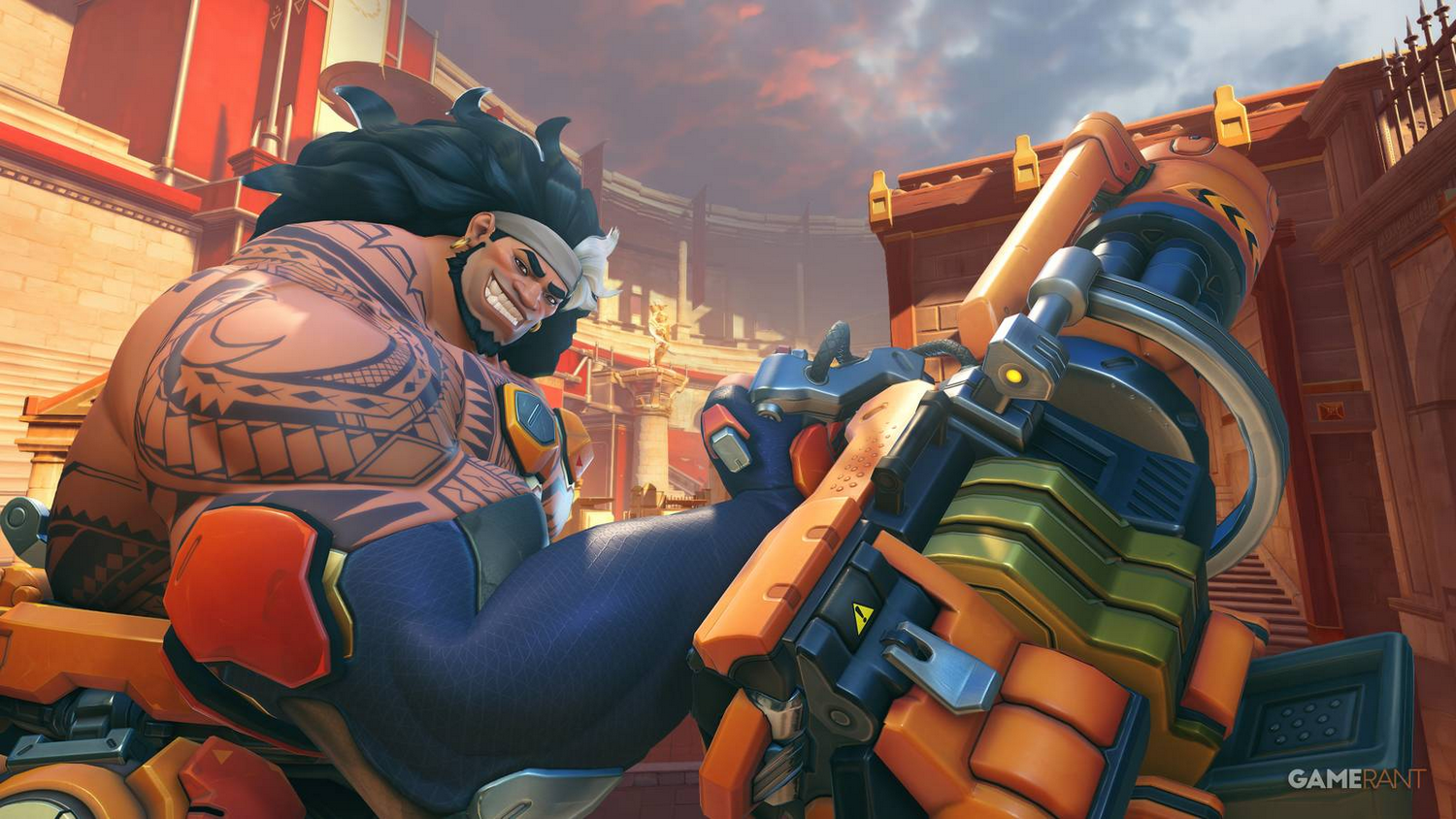
Blizzard Entertainment has made a swift and decisive U-turn on one of the most controversial changes introduced in the recent Overwatch 2 Season 19 update, specifically targeting an adjustment made to the Stadium competitive game mode. Within days of the Haunted Masquerade season launch, the development team has acknowledged overwhelming player feedback and announced the reversal of a disruptive map layout change, demonstrating a renewed commitment to community-driven design in the highly competitive First-Person Shooter (FPS) landscape.
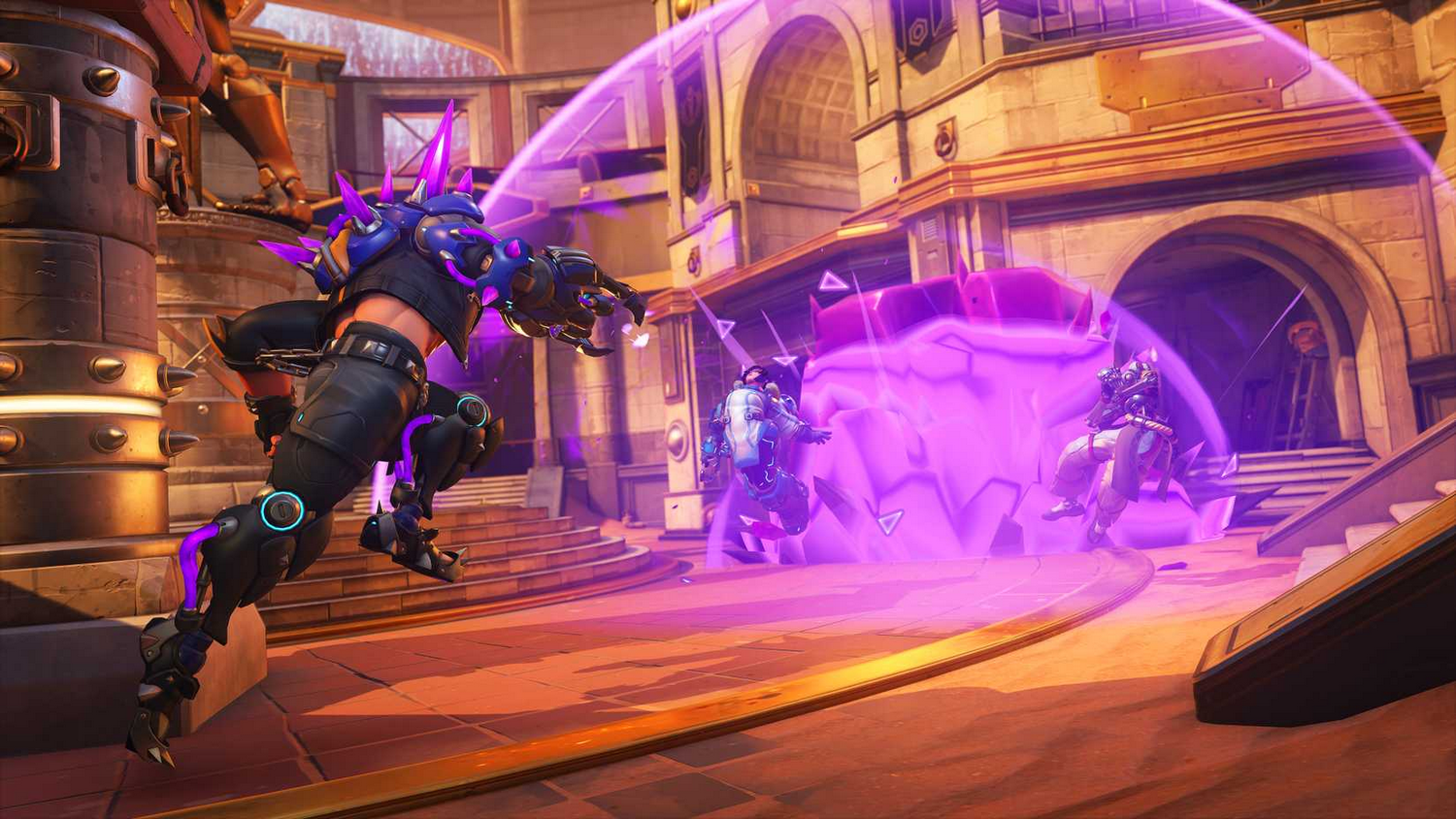
The core of the issue revolved around a significant architectural modification to a key area on one of the Stadium maps—a specific segment often used for the Payload or Control objectives within the unique mode. The change, which reportedly involved the removal of a critical piece of high-ground cover or a flanking route, was immediately met with a massive wave of criticism from the professional gaming community and high-ranked players. They argued that the alteration severely disrupted established meta-game strategies, favored specific hero compositions disproportionately, and ultimately lowered the overall skill ceiling for competitive play.
🎯 The Stadium Mode: A Testing Ground for Controversy
The Stadium mode, a separate, complex competitive environment introduced earlier in the year, is known for its constant evolution through new Heroes, unique Perks, and Items (now including the new Gadgets). However, the map itself remains the foundation of tactical engagement. The specific, unnamed map segment that received the heavy rework in Season 19 was central to both defensive setups and aggressive team fights.
 The community consensus was that the change:
- Negated Hero Viability: Certain heroes, particularly those reliant on line-of-sight for long-range healing or those specializing in dive compositions, found their essential approach routes or cover positions completely removed, rendering them far less effective. This instantly impacted hero win rates.
- Created Choke Points: The removal of a key path funneled players into an unfavorable choke point, making the defense overwhelmingly powerful and resulting in frustratingly long stalemates.
- Distorted Match Flow: The altered geometry made retaking the objective incredibly difficult, leading to a noticeable increase in one-sided, non-competitive matches in the Ranked Stadium ladder.
A post on the official Blizzard Forums and social media from an Overwatch 2 Game Director confirmed the team’s decision to roll back the map geometry to its pre-Season 19 state. The statement emphasized the importance of player experience in a live-service game and their gratitude for the rapid, clear feedback, noting that the intensity of the community response was an immediate indicator that the change failed to achieve its intended strategic goals.
📈 Analysis: Why Competitive Integrity Drives Developer Responsiveness
This rapid reversal highlights a crucial aspect of managing a major Esports title like Overwatch 2. In a game where every sightline, piece of cover, and flank route is meticulously analyzed by a vast player base, map changes are inherently high-risk. For the Stadium mode, which already hosts a volatile mix of new heroes (such as the recent additions of Torbjörn, Hazard, and Sojourn) and game-altering mechanics like Gadgets and Perks, stability in the map design is critical for maintaining competitive integrity.
The developer action is a classic example of excellent live-service management, where prompt, data-backed responsiveness outweighs the need to stubbornly defend a flawed design choice. By reverting the change quickly, Blizzard mitigated prolonged frustration, preventing a potential decline in player engagement and preserving the reputation of the new competitive mode. This decision acts as a powerful signal to the community: player feedback directly influences the game’s direction, particularly concerning the foundational elements of its high-stakes competition.
The current Season 19, Haunted Masquerade, continues to introduce significant new content outside of the main map change controversy:
- The introduction of the new Gadgets system, powerful, single-use active items like the Colossus Core and Kitsune Charm, adds an entirely new layer of in-match decision-making and high-CPC keywords to the Stadium mode’s strategy guides.
- The shift of Ranked Stadium from a Best-of-Seven (Bo7) format to a Best-of-Five (Bo5) format, a move aimed at shortening the match duration and improving player retention for the mode.
- A host of Hero and Perk reworks, including substantial changes to Support heroes like Ana and Tank adjustments to characters like Sigma, all designed to fine-tune the highly variable power curve created by the Perk system.
 🌐 Navigating the New Stadium Meta
With the controversial map change reverted, the focus now shifts back to mastering the new Stadium Gadgets and the substantial hero balance updates. The competitive landscape has been shaken by the introduction of the one-time-use Gadgets, which function as ultimate ‘save’ or ‘clutch’ mechanisms. Professional players and content creators are currently deep in the process of creating Tier Lists and Optimal Build Guides to fully leverage these new additions.
The reversal of the map change ensures that the wealth of accumulated map knowledge and established strategies remains relevant, allowing players to concentrate their efforts on the fresh, intentional complexity of the Gadgets system rather than battling frustrating structural limitations. This move not only appeases the veteran players but also provides a more stable entry point for new users looking to climb the Ranked Ladder in Season 19.
The consensus across major gaming news outlets and specialized Overwatch 2 content sites is that this development is a net positive—a clear signal that Blizzard is prioritizing a healthy competitive environment over forcing through unpopular changes. The future of Overwatch 2 depends on this delicate balance between innovation and preserving the core gameplay experience.