
Blizzard’s Midnight Expansion Redefines PvE as WeakAuras and DBM Face Sunset







Popular Now
 Fortnite
 Gacha Club
 Rust
Rust
 NBA 2K24
 Stumble Guys
Valorant
Stumble Guys
Valorant
 Minecraft
 Candy Crush Saga
 Fall Guys
 Sonic the Hedgehog™ Classic
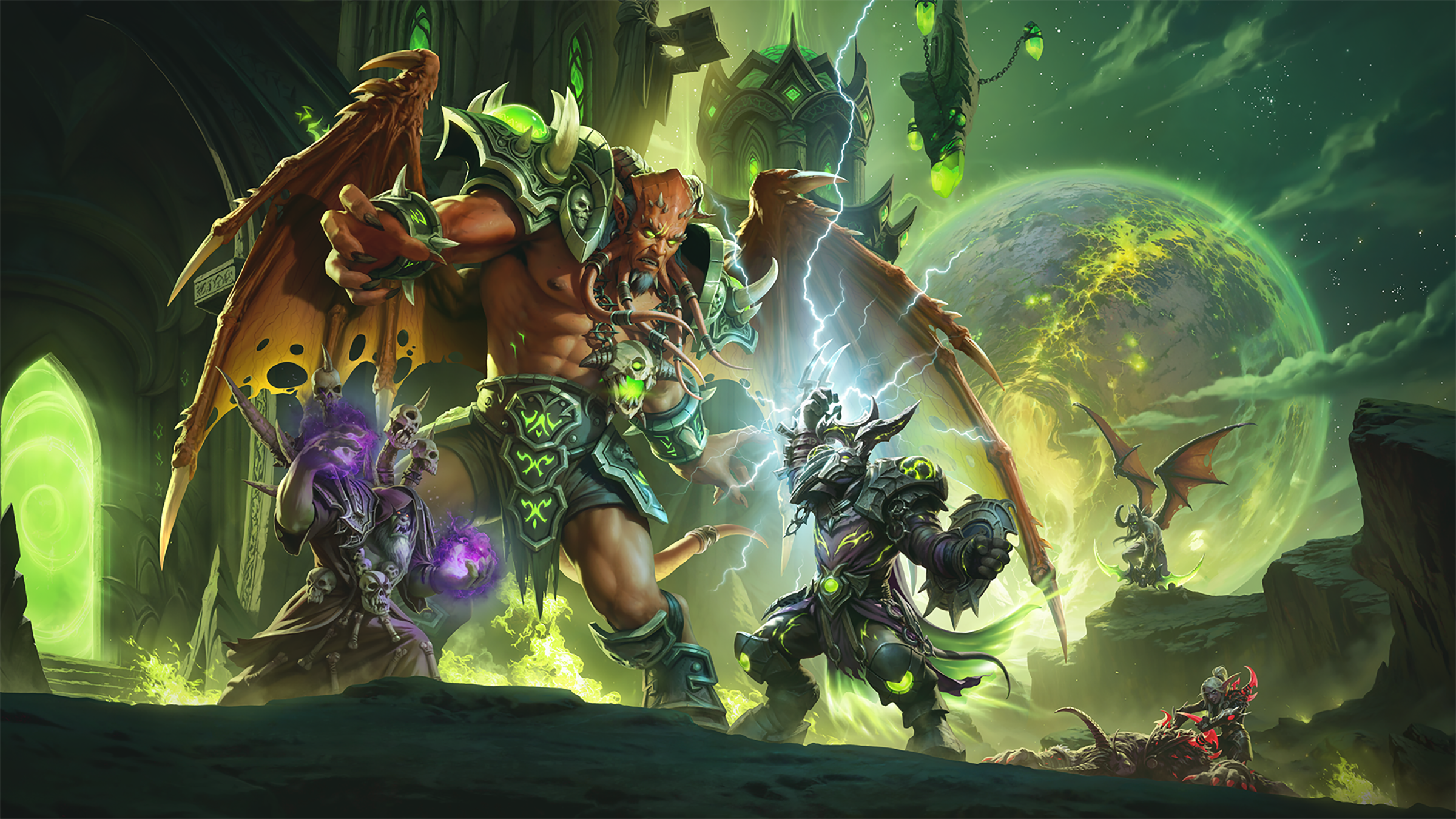
The landscape of high-end MMORPG endgame has been irrevoc fundamentally altered. Blizzard Entertainment, the developer behind the colossal World of Warcraft, has initiated a sweeping change that targets the core functionality of essential player-created tools. As the highly anticipated Midnight expansion enters its alpha phase, confirmation has surfaced that the combat-related capabilities of addons, including the perennial titans WeakAuras and Deadly Boss Mods (DBM), are being significantly curtailed or outright disabled during crucial in-game activities like raids and Mythic+ dungeons. This bold move heralds a new, and deeply controversial, era for the game’s most dedicated player base. This is a critical development for anyone invested in the future of a major player in the online gaming industry.
For decades, addons have evolved from simple quality-of-life adjustments to complex, near-mandatory systems that facilitate success in the most challenging content. This symbiotic relationship between player creativity and game design has, however, created a “double-edged sword,” a concept Blizzard developers have frequently referenced. The reliance on these third-party tools meant that encounter design had to account for their existence, leading to an arms race of complexity that arguably made the default game inaccessible to new or casual players. The current policy shift aims to redress this balance, but the transition is proving to be contentious.
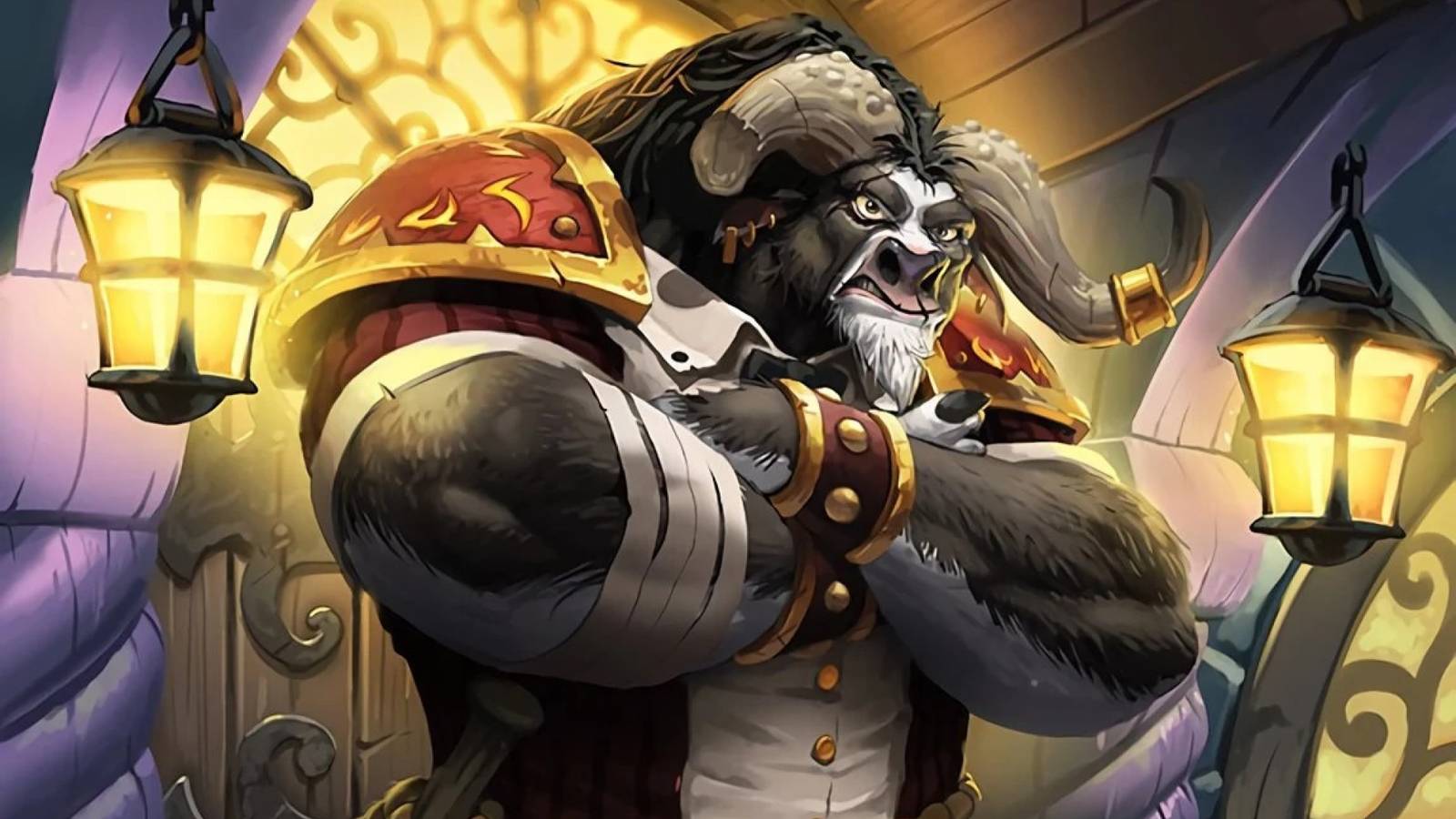 The Battle Over Combat Data: End of an Era for Critical Addons
The core of the change in Midnight revolves around the restriction of real-time combat data access for third-party tools. This singular technical decision has massive ramifications for the user experience, particularly for the two most influential combat aids in the game:
- WeakAuras: Often described as the most versatile and powerful addon framework, WeakAuras allowed players to create highly customized visual and auditory alerts for everything from personal cooldown tracking to complex, fight-specific boss mechanics. In a shocking announcement following Blizzard’s policy reveal, the development team behind WeakAuras confirmed they will no longer be developing the addon for the Midnight expansion. This indicates the severity of the API restrictions, suggesting that the changes are too extensive to effectively work around.
- Deadly Boss Mods (DBM) & BigWigs: These essential raid and dungeon warning systems have long provided the timing and instruction necessary for executing high-level encounters. Blizzard’s new framework disables their ability to function as they did previously, rendering them effectively obsolete for their primary purpose—real-time, in-combat problem-solving.
The official stance from Blizzard is clear: they want to return to a state where a successful boss kill is a testament to a player’s knowledge of the fight and ability to react to in-game visuals, not simply the compliance with a third-party air horn sound or on-screen prompt. “If you are standing in something that is lethal and is going to kill your character, and the only way that you are aware of that fact is because you have an air horn that’s playing from an add-on, we have dropped the ball as developers,” remarked Game Director Ion Hazzikostas (Source: IGN, Wowhead Interviews). This design philosophy shift signals a monumental effort to improve the clarity and self-sufficiency of the native UI.
Blizzard’s Counter-Measures: The Integrated UI Replacement
Blizzard is not merely removing a decades-old pillar of the game; they are actively working to replace it with first-party tools. The goal is to integrate the most vital, non-automating functionalities directly into the base UI, ensuring accessibility without compromising design integrity. These integrated features, still in development within the Midnight alpha, are slated to include: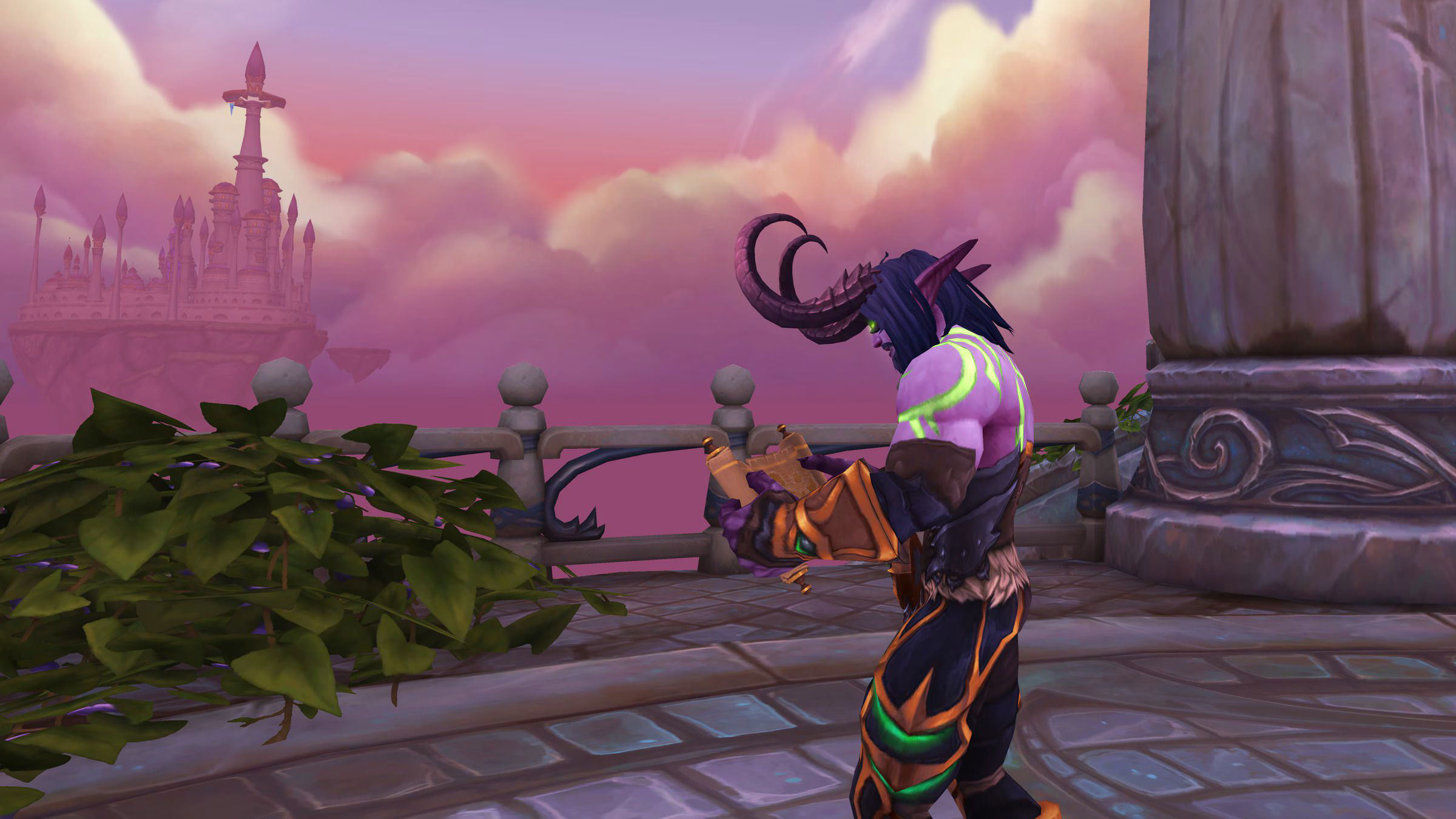
- Built-in Boss Alert System: A replacement for DBM, offering native alerts and timers for boss mechanics. However, early reports suggest this initial implementation is currently less comprehensive than its community-developed predecessor (Source: IGN Nordic).
- Enhanced Cooldown Manager: A customizable system to track personal abilities, aiming to fill the role of some of the custom displays WeakAuras offered.
- Native Damage Meter: Integrating combat statistics tracking—a feature that has also historically been a popular third-party addon, like Details! Damage Meter—directly into the game.
The community’s reception is, as expected, a mix of hope and frustration. Many acknowledge the logic of a game that doesn’t require external software to be playable at the highest level, making the title a more approachable Massively Multiplayer Online Role-Playing Game. Conversely, veteran players—particularly older players whose reflexes may have diminished—rely on the accessibility features and superior customization of addons like WeakAuras to remain competitive. They fear the built-in replacements will be an inferior substitute, ultimately alienating long-time subscribers who represent significant premium game engagement (Source: WoW Forums).
Broader Implications and the Future of WoW Endgame
This massive structural change is about more than just a few combat alerts; it’s a re-imagining of the game’s fundamental design. By simplifying class rotations and reducing the notorious “button bloat” (Source: DualShockers), coupled with a shift away from add-on reliance, Blizzard is signaling a commitment to a cleaner, more intuitive player experience. This is a critical factor for the long-term viability of the gaming subscription model.
Industry analysts have pointed out that this push toward a streamlined, self-sufficient UI may also be in preparation for potential console ports, where mouse and keyboard flexibility for addons is nonexistent. This speculation suggests a wider, more strategic alignment within the video game development company to make World of Warcraft a multi-platform title, positioning it as a stronger competitor in the broader entertainment software market.
The short-term pain of losing beloved and highly functional tools like WeakAuras and DBM is undeniable. However, the potential long-term gain—a game with elegantly designed encounters and a genuinely accessible endgame that does not rely on a patchwork of external software—could revitalize the title. The true measure of success will be whether Blizzard can deliver built-in tools that match, or even exceed, the decades of community innovation they are now retiring.
The Midnight alpha period is crucial. Blizzard has stated they initiated the addon cuts at their most extreme point and plan to scale back based on valuable player feedback. This commitment to iterative design is vital, as the community anxiously awaits the final form of the UI and new encounter design philosophy. The death of the combat addon as we know it is a monumental event, marking the end of one chapter and the uncertain, but exciting, beginning of another in the history of this iconic MMO.
The loss of WeakAuras, which provided immense utility even outside of combat—such as accessibility enhancements for players with vision or hearing impairments, or quality-of-life adjustments—presents a specific challenge. Blizzard has pledged to address these needs, but the void left by a tool so incredibly versatile will be difficult to fill. The community is now in a period of intense review, closely scrutinizing every update to the Midnight alpha for signs of both compensation and overreach from the developers. The tech disruption in gaming is real, and for World of Warcraft, it’s happening right now.
This transformative period is essential reading for not just players, but for every professional engaged in the software development lifecycle within the gaming industry, as Blizzard’s actions set a significant precedent for the relationship between developers and their modding communities in a major live-service game.
Analysis: Accessibility Versus Complexity – The Design Dilemma
The central tension driving this change has always been the inherent conflict between encounter complexity and player accessibility. Boss design in high-end raids often forced players to track dozens of simultaneous debuffs, buffs, and positional alerts, making the use of sophisticated add-ons like WeakAuras 2 and BigWigs nearly mandatory for success in Mythic content. This created a paradoxical barrier to entry: to play the endgame, one first had to become an expert in installing, configuring, and updating external software.
Blizzard’s pivot to simplify the game’s “cognitive load” by reducing the number of abilities and making boss mechanics clearer is a direct attempt to fix the root problem. The success of Midnight will ultimately rest on whether the in-game visuals and integrated tools are intuitive enough to handle mechanics that previously required a custom-scripted air horn to highlight. If players can master a boss fight without being funneled to third-party downloads, the developers will have succeeded in making a more accessible and arguably better-designed game. If the replacements fall short, the backlash from the hardcore raiding community and the subsequent drop in high-end participation could be severe.
Furthermore, the discussion extends into the realm of digital asset management and the ownership of the player experience. By reclaiming control over core combat information, Blizzard ensures a more consistent and predictable play environment. This is a crucial step for maintaining competitive integrity in events like the Race to World First, where custom WeakAuras were often developed on-the-fly to gain an edge—a practice that skirted the lines of fairness and added an element of design instability. The new restrictions will force a purer test of skill, strategy, and composition, rather than who has the best community-developed script.
The Midnight expansion, the third in the Worldsoul Saga, is shaping up to be far more than just new zones and dungeons. It is a fundamental overhaul of the social contract between the developer and the player base regarding game assistance. The industry is watching to see if this high-stakes gamble pays off, setting a potential new standard for future MMO game releases.