
Detroit: Become Human Devs Take a Bold Plunge into Multiplayer with ‘Spellcasters Chronicles’: Is This the Future of Action-Strategy Gaming?










Popular Now
 BeamNG.drive
 Fall Guys
 The Legend of Zelda
 PUBG Mobile
 R.E.P.O
 Candy Crush Saga
 CarX Street
 Black Myth: Wukong
 Roblox
 Counter-Strike 2
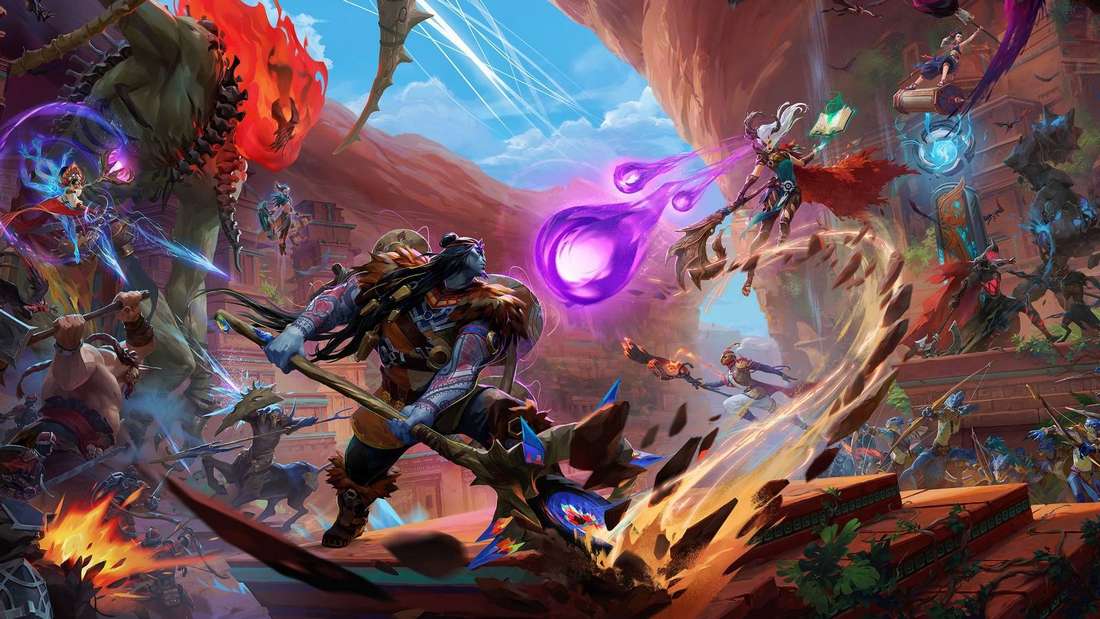
In a major game development announcement that has sent shockwaves through the industry, Quantic Dream, the French studio revered for its deeply narrative, single-player experiences like Detroit: Become Human and Heavy Rain, has officially unveiled its first foray into the competitive multiplayer space. Their new title, Spellcasters Chronicles, is a free-to-play, team-based, third-person action-strategy game that boldly seeks to blend the tactical depth of a MOBA with the customizable flair of a deckbuilding game. This surprising pivot represents a seismic shift in the studio’s creative focus and is an aggressive move into the lucrative, yet highly saturated, live-service gaming market.
The core gameplay loop of Spellcasters Chronicles centers on intense, fast-paced 3v3 battles, each match designed to last approximately 25 minutes. Teams of mages, known as Spellcasters, fight to capture territory (Altars) and ultimately destroy their opponent’s ‘Lifestone’—a clear nod to the classic MOBA objective structure. However, Quantic Dream has introduced several innovative mechanics that aim to differentiate their product from established esports titles like League of Legends or Dota 2.
 The Aerial Advantage: Unprecedented Movement and Strategy
One of the most striking features showcased in the reveal is the unprecedented level of player movement. Unlike most arena battlers where characters are largely grounded, every Spellcaster in Spellcasters Chronicles possesses the ability to fly freely across the mystical, vertically-designed arenas. This mechanic fundamentally changes the strategic landscape:
- Tactical Superiority: Players can command the battlefield from above, giving them a clear view of troop movements and enemy positions. This adds a critical layer of real-time strategy to the action.
- Dynamic Combat: It allows for true three-dimensional combat, enabling Spellcasters to rain down devastating spells on ground troops or engage in high-skill aerial duels. This innovative gameplay may appeal to players seeking a higher skill ceiling in the action segment of the genre.
- Army Command: Players are not just fighting; they are commanders. They summon hordes of creatures—from skeleton warriors to colossal dragons—that automatically march to clash with the enemy. The Spellcaster’s aerial position is key to directing this automated army.
Deckbuilding Meets Destruction: Customization and High CPC Potential
Beyond the action, the game’s strategic depth is anchored by a deck-building system. This is where the true customization and long-term engagement potential—and the high-value free-to-play monetization—lies.
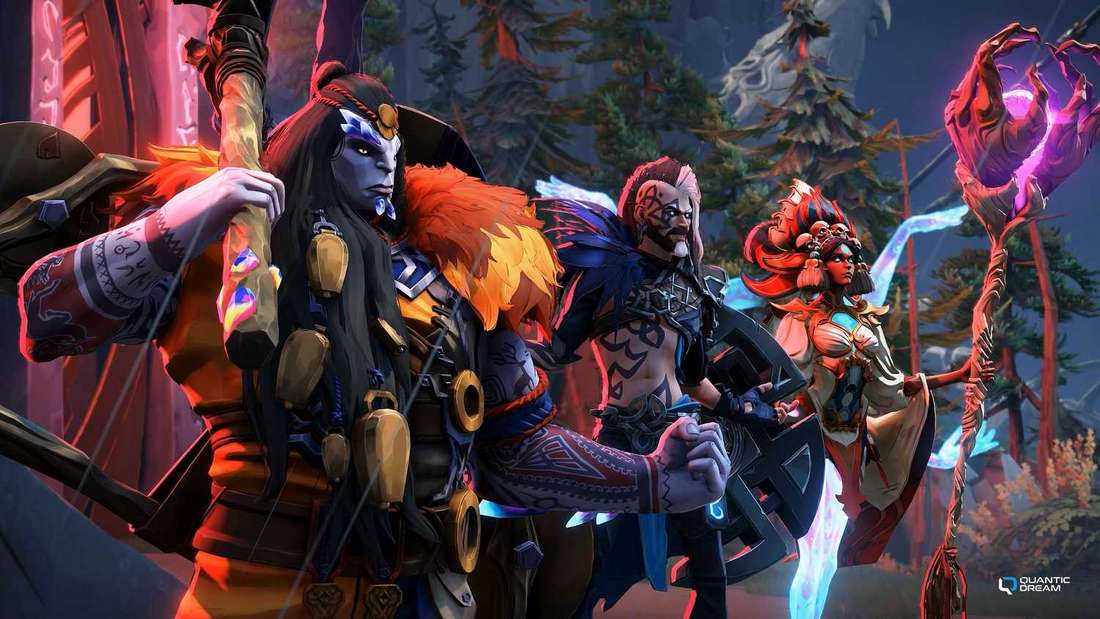
- Diverse Archetypes: Players choose a Spellcaster archetype (e.g., support, tank, or damage dealer), each with unique signature abilities.
- Spell Arsenal: Before a match, players craft a personalized deck from a growing list of over 50 spells and summons across seven schools of magic. This allows for vast experimentation and the forging of a truly unique play style.
- The Titans: The ultimate game-changers are the colossal ultimate summons, the Titans. These massive creatures, which take time and resources to deploy, are powerful enough to shatter the environment and decisively turn the tide of a match, rewarding strategic planning and resource management.
This hybrid design makes every match a strategic battle decided not just by mechanical skill, but by pre-game deck construction and in-match tactical adaptation. For Quantic Dream, this model creates a persistent system ripe for seasonal content and continuous revenue streams, a financial necessity in the modern triple-A gaming landscape.
 Narrative in a PvP World: The ‘Community-Driven’ Twist
Despite the competitive focus, Quantic Dream assures fans that their narrative pedigree is not being abandoned. Game Director Gregorie Diaconu confirmed that Spellcasters Chronicles will feature a “community-driven narrative.”
- Shaping the World: Each season, players will face a collective choice that has a direct, permanent impact on the game’s lore, the in-game world, and even future gameplay elements. This ambitious approach to lore integration aims to leverage the vast player base to collectively author the “Fate Saga” of the Spellcasters.
- A New Kind of Storytelling: This model is a creative pivot from their previous branching, single-player dramas, asking whether the weight of consequence can be successfully translated into a massively multiplayer setting. If successful, it could redefine narrative engagement in the competitive genre.
Industry Context and Outlook: A Calculated Risk for Quantic Dream
The decision to enter the crowded MOBA-like market, particularly when the studio also has the highly anticipated Star Wars Eclipse in development, is a massive business risk. The market is notoriously cutthroat, with recent high-profile failures underscoring the challenge of establishing a new live service IP. However, Quantic Dream’s approach—combining third-person action, deckbuilding, and vertical map movement—offers a genuinely novel twist that could carve out a niche for itself. The game is scheduled for a closed beta on PC via Steam before the end of 2025, allowing the studio to gather crucial player feedback and refine the core experience before a full launch. This initial testing phase will be the ultimate determinant of whether Spellcasters Chronicles can live up to the ambitious promise of its unique, hybrid design.
Verdict: Quantic Dream is making a bold, calculated move. While the shift from narrative adventure to action strategy is jarring, the combination of aerial movement, deck-based strategy, and community-driven lore makes Spellcasters Chronicles one of the most intriguing new IP announcements of the year. It’s a high-risk, potentially high-reward play that could secure the studio’s financial future for years to come.