
Donkey Kong’s Future: How ‘Bananza’ Could Mirror Zelda’s Revolutionary Impact on Nintendo’s Core Franchises








Popular Now
 Rust
Rust
 Warframe
 Geometry Dash
 Fortnite
 Minecraft
Valorant
Minecraft
Valorant
 Garena Free Fire: Kalahari
 Fall Guys
 R.E.P.O
 Brawl Stars
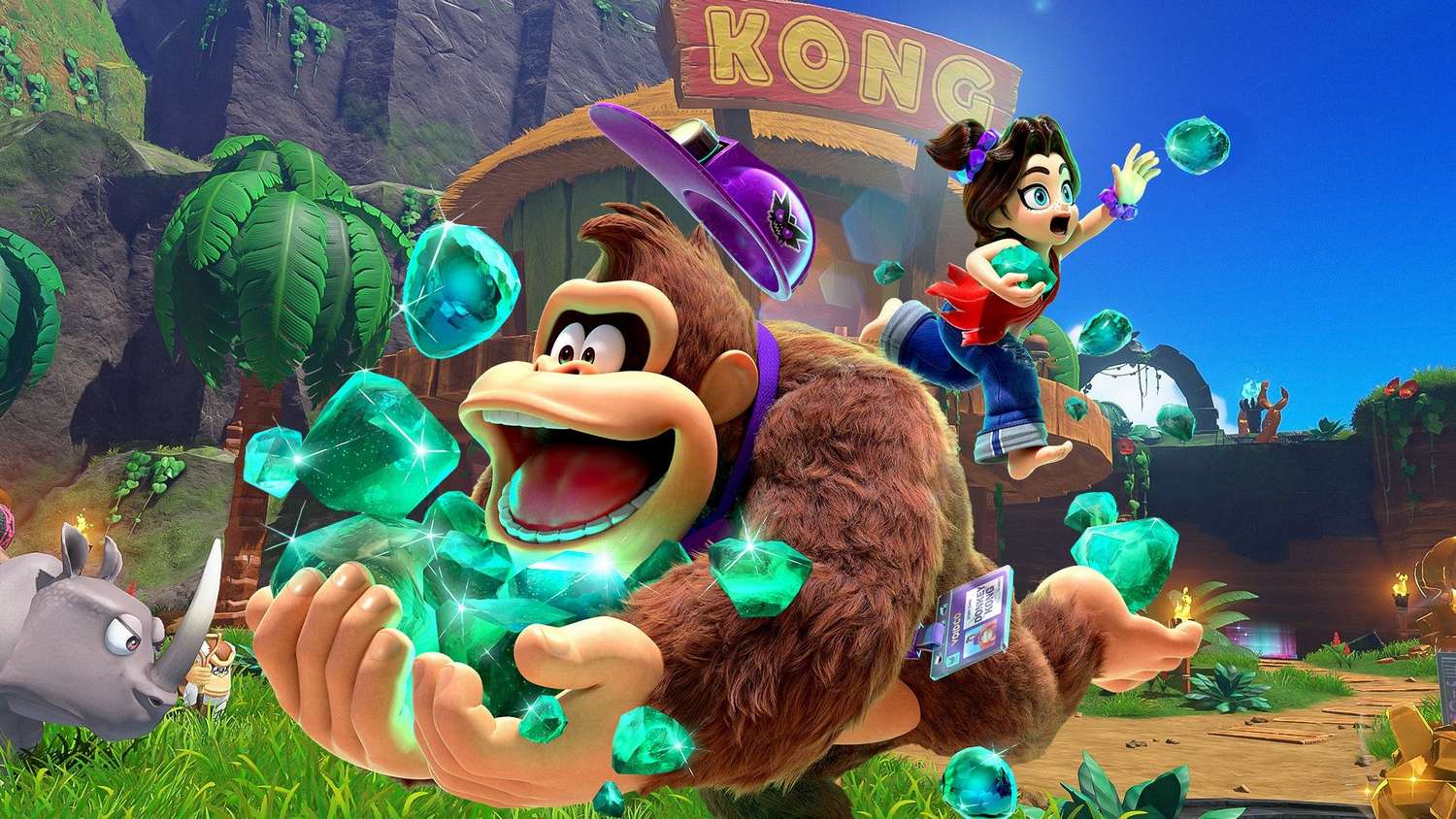
Donkey Kong’s Future: How ‘Bananza’ Could Mirror Zelda’s Revolutionary Impact on Nintendo’s Core Franchises
The gaming world has witnessed a profound transformation in Nintendo’s design philosophy, most vividly exemplified by The Legend of Zelda: Breath of the Wild and its acclaimed successor, Tears of the Kingdom. These titles didn’t just redefine a beloved franchise; they recalibrated player expectations for open-world adventure, emergent gameplay, and interactive freedom. Now, as discussions turn to the future of other iconic Nintendo IPs, a hypothetical title like ‘Donkey Kong Bananza’ serves as a crucial lens through which to examine how deeply these Zelda innovations have permeated Nintendo’s strategic thinking and what they could mean for the venerable ape’s next major outing. This shift isn’t merely cosmetic; it represents a fundamental re-evaluation of game design principles that could elevate classic platformers into dynamic, exploration-rich experiences, significantly boosting their appeal in the competitive digital entertainment market and attracting substantial video game investment.
Historically, the Donkey Kong series has excelled within the confines of precision platforming. From the arcade origins to the celebrated ‘Donkey Kong Country’ series, gameplay revolved around meticulously crafted levels, tight controls, and the mastery of specific challenges. The exhilaration came from conquering expertly designed obstacles, discovering hidden bonus rooms, and navigating treacherous environments with rhythmic jumps and barrel blasts. While this formula has consistently delivered engaging gameplay and maintained a loyal fanbase, the industry’s evolution, particularly spearheaded by Nintendo itself, suggests a potential for radical reinvention.
The Zelda Blueprint: Freedom, Physics, and Player Agency
Breath of the Wild shattered conventions by offering an unparalleled sense of player agency. Gone were the strictly linear dungeons and predetermined paths. Instead, players were dropped into a vast, interconnected Hyrule, encouraged to experiment with a robust physics engine, and empowered to solve problems in myriad creative ways. The game didn’t tell you how to play; it gave you the tools and trusted you to forge your own adventure. Tears of the Kingdom amplified this by introducing Ultrahand and Fuse, allowing players to build elaborate contraptions and combine items with unprecedented freedom, further solidifying a design ethos centered on emergent gameplay and boundless creativity.
This shift wasn’t just about technical prowess; it was about a philosophical embrace of player empowerment. Nintendo effectively transformed its flagship action-adventure series into a sandbox, where the joy came from experimentation, discovery, and the ‘aha!’ moments derived from unique player-driven solutions. This approach has proven to be a gold standard for immersive gameplay and has set new benchmarks for game development strategies across the industry, influencing everything from indie titles to major AAA releases.
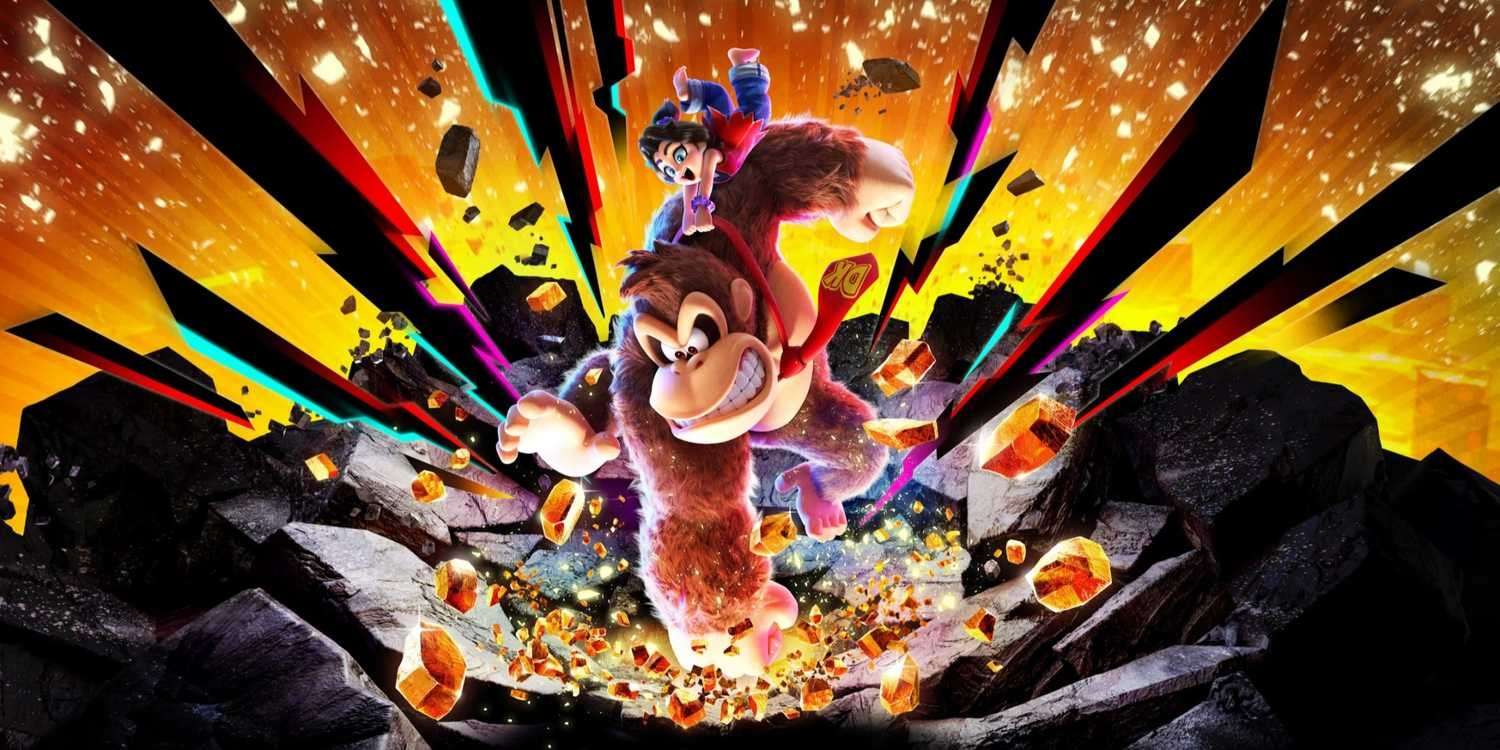
Donkey Kong Bananza: Imagining a ‘Wild’ Jungle
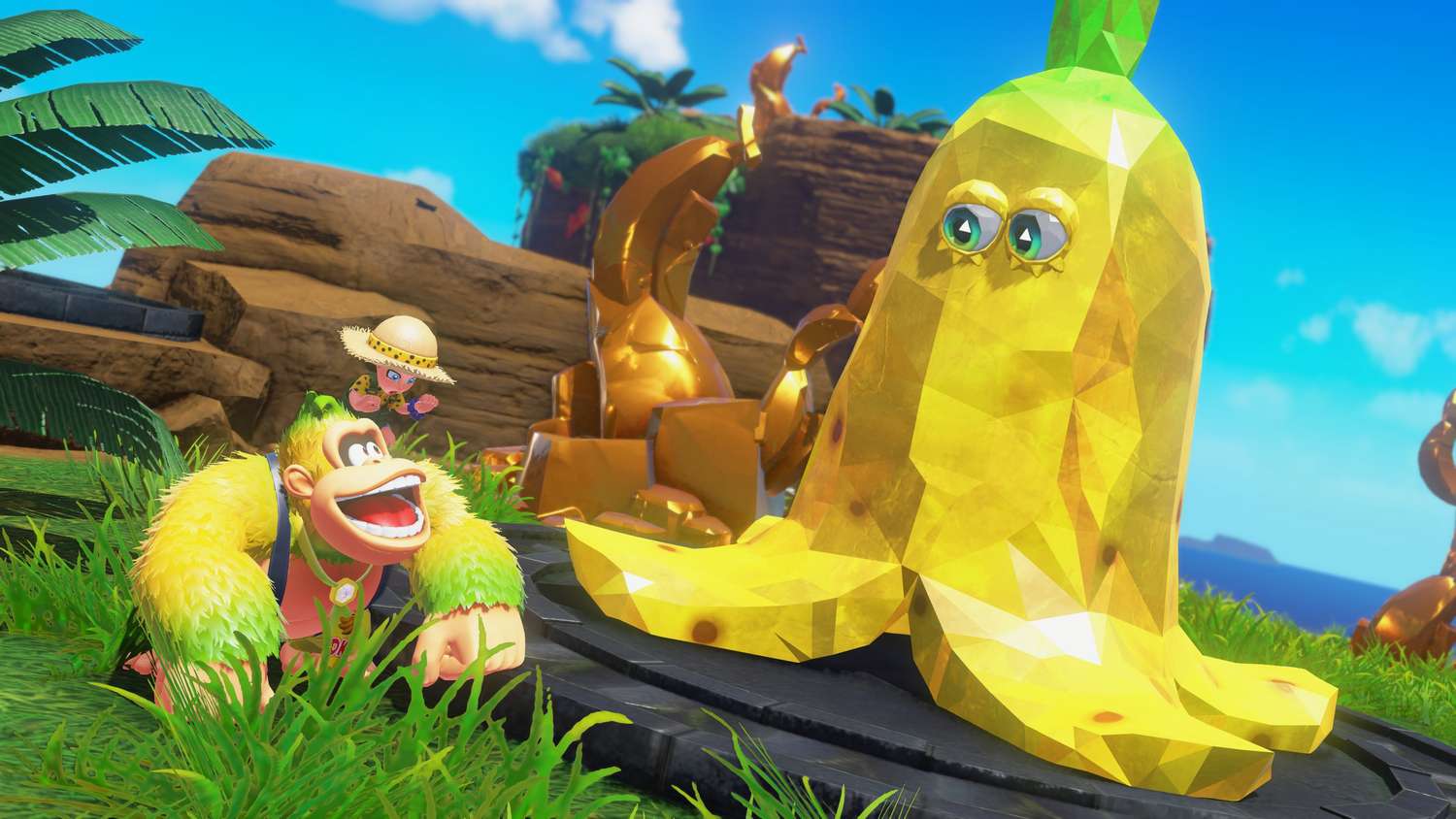
So, how might a ‘Donkey Kong Bananza’ reflect these profound changes? Imagine a Donkey Kong title that retains the core platforming excellence but recontextualizes it within an expansive, interconnected jungle ecosystem. Instead of discrete levels, players might explore a sprawling island, where each region offers unique environmental puzzles, dynamic challenges, and secrets waiting to be unearthed. The sheer scale and freedom could fundamentally alter the franchise’s identity, making it more appealing to modern gaming audiences seeking next-gen gaming experiences.
- Open-World Exploration: Picture a K. Rool-infested island where distinct biomes flow seamlessly into one another—dense rainforests giving way to treacherous mountain peaks, sprawling beach fronts, and cavernous underground networks. Traversal could involve not just traditional platforming but also creative use of environmental elements, perhaps swinging through colossal trees, riding geysers, or even constructing rudimentary rafts to cross rivers.
- Physics-Driven Mechanics: The iconic barrel mechanic could evolve beyond simple projectiles. Imagine using barrels to create chain reactions, solve environmental puzzles, or even construct temporary bridges or defensive structures. The physics engine could allow for dynamic destruction, creating new pathways or revealing hidden collectibles. This level of interaction enhances consumer engagement and replayability.
- Emergent Platforming: Instead of fixed solutions, players might be presented with obstacles that have multiple approaches. Need to cross a chasm? Perhaps you can use Diddy’s jetpack, or perhaps you need to chop down a nearby tree to create a makeshift bridge, or even roll a giant boulder to activate a distant switch. This ‘player-choice’ driven design would be a radical departure, fostering true creativity.
- Resourceful Crafting (Donkey Kong Style): While not a direct copy of Zelda’s crafting, a Donkey Kong interpretation could involve collecting specific jungle resources to craft enhanced barrels, temporary power-ups, or even modify Dixie Kong’s hair spin for new traversal options. This light resource management could add another layer of strategic depth without detracting from the action.
- Character Synergies Redefined: The classic buddy system (Donkey Kong, Diddy, Dixie, Cranky) could be expanded. Instead of simply swapping characters, their unique abilities could be used in tandem to solve complex environmental puzzles or access previously unreachable areas, similar to how Link’s abilities in Zelda combine with the environment.
Nintendo’s Broadened Vision for Franchise Revitalization
This potential evolution for Donkey Kong isn’t just about one game; it’s indicative of a broader strategic shift within Nintendo. The unprecedented success of the recent Zelda titles, both critically and commercially, has demonstrated the immense value of reimagining established IPs with a focus on player freedom and emergent mechanics. This philosophy has implications for other franchises, from Metroid to even Mario, suggesting that Nintendo is willing to challenge its own conventions to deliver fresh, innovative experiences.
For a ‘Donkey Kong Bananza’ to truly embody this new Nintendo, it would need to balance honoring the series’ challenging platforming roots with an expansive, physics-driven world that encourages exploration and creative problem-solving. This isn’t about diluting the core Donkey Kong experience but enriching it, offering a modern interpretation that speaks to the desires of contemporary gamers while maintaining the charm and precision that fans adore. The move signifies Nintendo’s commitment to pushing the boundaries of entertainment technology and delivering unparalleled value to its audience.
Conclusion: A New Era for the Kongs
The impact of The Legend of Zelda: Breath of the Wild and Tears of the Kingdom on Nintendo’s internal development ethos is undeniable. They have set a new standard for open-world design, player agency, and emergent narrative. While ‘Donkey Kong Bananza’ remains a hypothetical concept, its very premise highlights the transformative potential awaiting Nintendo’s other cherished franchises. If the King of the Jungle were to embrace these lessons—offering an expansive, interactive, and player-driven adventure—it wouldn’t just be another platformer; it would be a definitive statement of Nintendo’s ongoing commitment to innovation, proving that even the most established IPs can evolve into groundbreaking interactive experiences. Such a title would not only satisfy long-time fans but also capture the imagination of a new generation, securing Donkey Kong’s place at the forefront of gaming innovation for years to come.