
Edgar Wright’s ‘The Running Man’: A Timely Revival for Our Dystopian Age










Popular Now
Among Us
 Poppy Playtime
 God of War Ragnarök
 Schedule I
 League of Legends
 Minecraft
 Gacha Club
 Brawl Stars
 NBA 2K24
 R.E.P.O
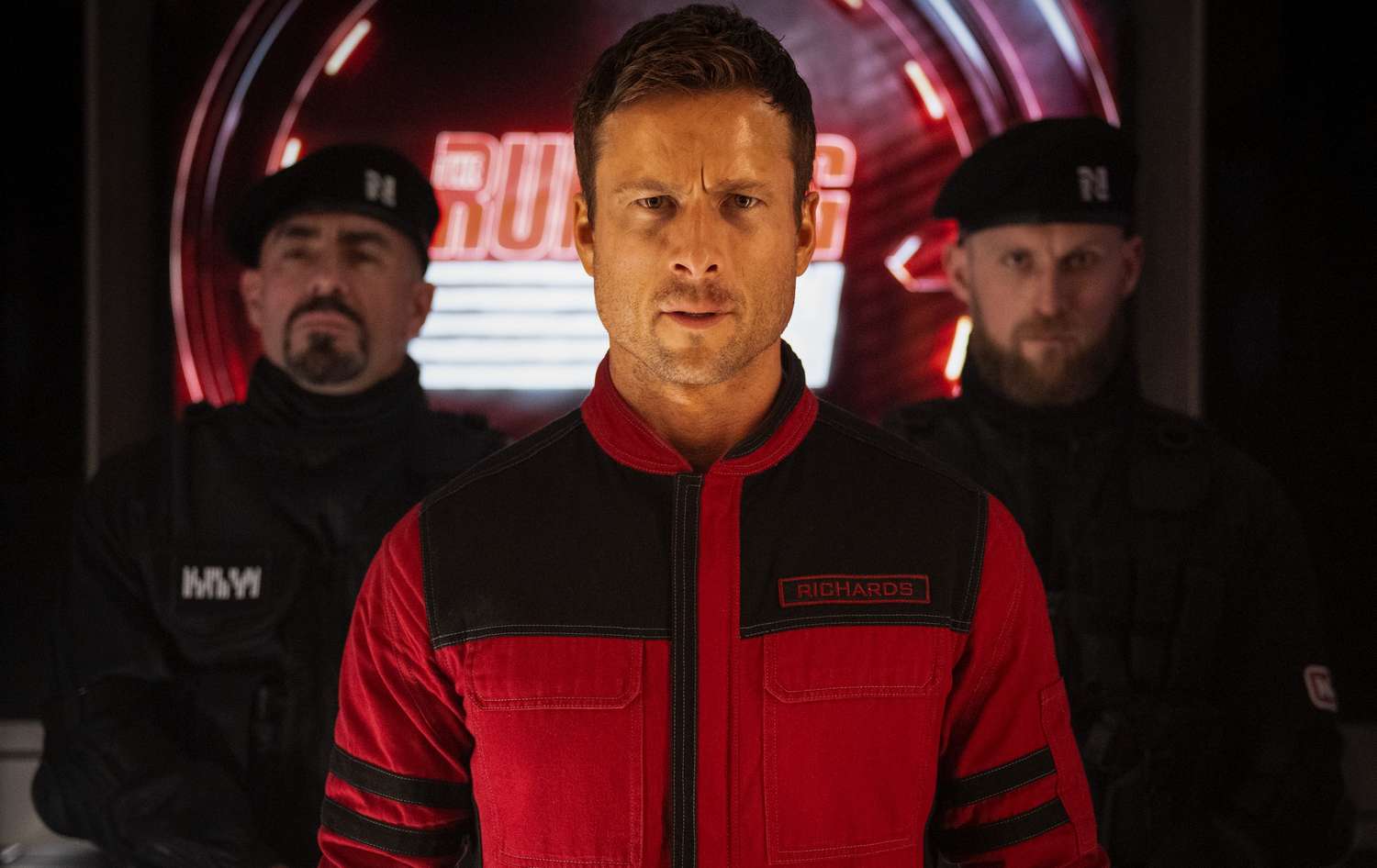
Edgar Wright’s ‘The Running Man’: A Timely Revival for Our Dystopian Age
In an era increasingly defined by the blurred lines between reality and entertainment, surveillance, and profound societal anxieties, the news of Edgar Wright tackling a new adaptation of Stephen King’s (writing as Richard Bachman) chilling 1982 novel, The Running Man, is nothing short of prescient. This isn’t just another Hollywood remake; it’s an opportunity for one of cinema’s most distinctive voices to re-contextualize a classic dystopian thriller, amplifying its warnings for a generation grappling with a reality that often feels more fictional than real. Wright, known for his masterful blend of sharp satire, kinetic editing, and profound genre homage, is uniquely positioned to strip away the camp of previous iterations and deliver a faithful yet terrifyingly contemporary vision of King’s prescient work.
Stephen King’s original novel, published under his pseudonym Richard Bachman, painted a grim picture of America in the year 2025. It depicted a totalitarian regime that pacified its impoverished masses with ultra-violent reality television. The crown jewel of this cruel entertainment empire was ‘The Running Man,’ a lethal game show where contestants, typically the marginalized and desperate, were hunted by ‘Hunters’ across the country. The prize for survival, though seemingly unattainable, was a fortune. The novel was a scathing critique of class disparity, state control, and the public’s insatiable appetite for spectacle, all themes that have only intensified in relevance over the past four decades.
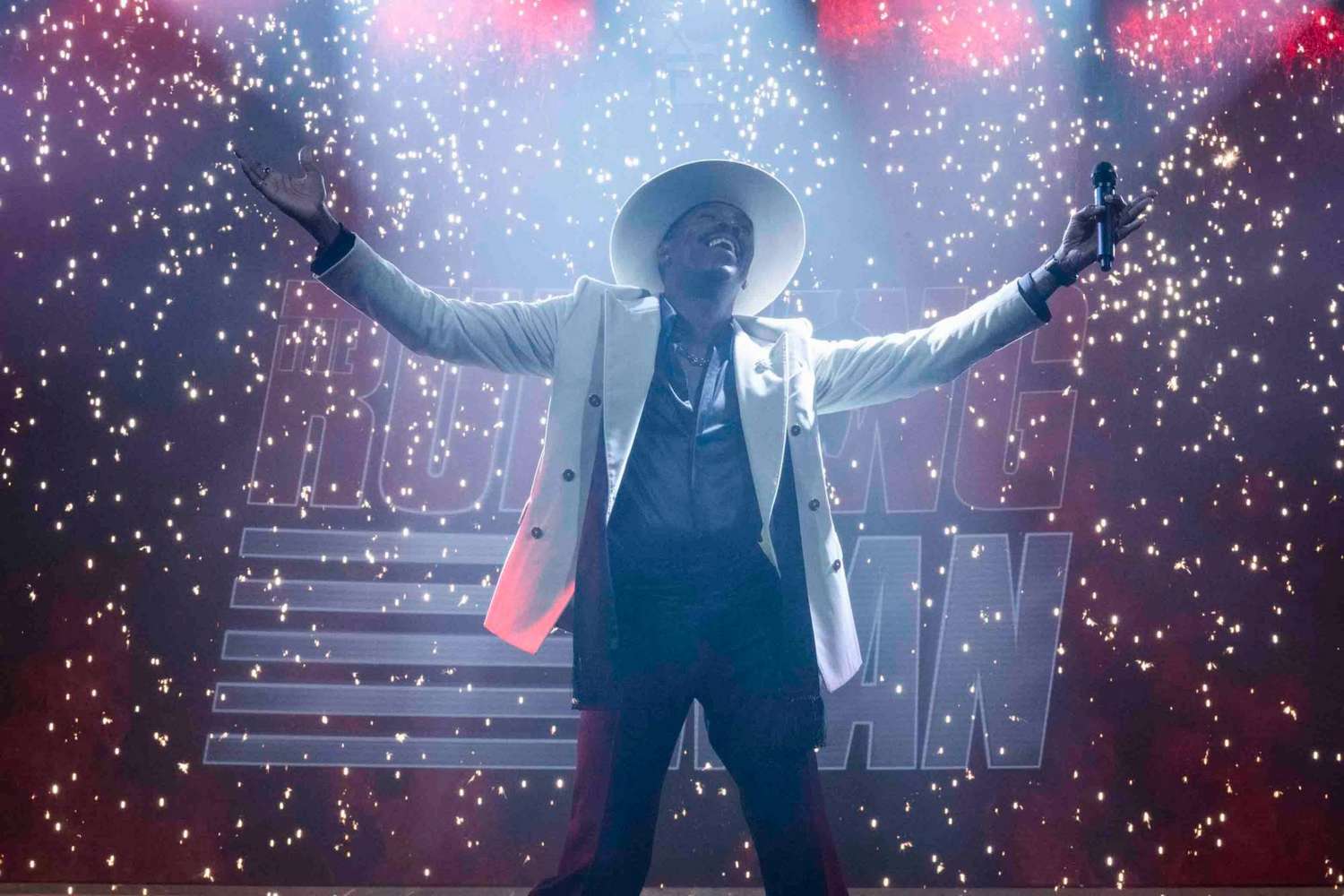
The 1987 film adaptation, starring Arnold Schwarzenegger, while a cult classic, famously veered significantly from King’s bleak narrative. It transformed the story into a high-octane action comedy, replete with one-liners and a triumphant, albeit violent, resolution. While entertaining, it sacrificed the novel’s dark heart and biting social commentary for mass appeal. This divergence left ample room for a director willing to delve into the source material’s darker, more philosophical underpinnings – a task perfectly suited for Edgar Wright.
Why Edgar Wright is the Ideal Visionary for This Dystopian Thriller
Edgar Wright has consistently demonstrated an uncanny ability to dissect and reassemble genre tropes, imbuing them with fresh insight and sharp social commentary. From the zombie apocalypse in Shaun of the Dead to buddy cop action in Hot Fuzz, and even the psychological horror of Last Night in Soho, Wright’s filmography is a testament to his versatility and commitment to storytelling that is both entertaining and thought-provoking. His meticulous attention to detail, rhythmic editing, and clever use of visual language are not mere stylistic flourishes; they are integral to his narrative prowess. For The Running Man, this means a director capable of visually articulating the terrifying spectacle of the game, the desperation of its participants, and the insidious nature of the system that perpetuates it.

Wright’s background in British comedy also equips him with a nuanced understanding of satire, allowing him to highlight the absurdity and horror of King’s dystopian premise without sacrificing its emotional weight. He understands how to craft suspense and dread while simultaneously injecting moments of cutting critique. This balance is crucial for an adaptation that must resonate with contemporary audiences who are already inundated with real-world examples of media manipulation and societal division. His version is poised to be more than just an action film; it promises to be a powerful piece of critical cinema.
Updating a 43-Year-Old Nightmare for Our Dystopian Reality
The core genius of King’s The Running Man lies in its chilling foresight. What seemed like exaggerated fiction in the early 80s now mirrors uncomfortable truths about our current society:
- The Spectacle of Suffering: The novel predicted a future where poverty and desperation are commodified for entertainment. Today, reality television often exploits the vulnerable, while social media amplifies public humiliation and tragedy, turning personal struggles into viral content. The line between news and entertainment is dangerously thin, feeding an economy of attention that King foreshadowed.
- Economic Inequality and Desperation: King’s protagonist, Ben Richards, volunteers for the game out of sheer desperation to secure medical treatment for his sick daughter and provide for his family. This resonates powerfully with a global landscape marked by widening wealth gaps, inadequate social safety nets, and a precarious gig economy, where many feel they have no choice but to take extreme risks for financial survival.
- Surveillance and Control: While King’s novel predated the internet, its themes of pervasive state surveillance and media control feel eerily relevant in an age of digital footprints, data mining, and the weaponization of information. The