
Forging the True Sequel: Dawn of War 4 Embraces Base-Building RTS Roots with Adeptus Mechanicus Innovation








Popular Now
 Auto X Drift Racing 3
 Brawl Stars
 R.E.P.O
 Fortnite
 God of War Ragnarök
 Warframe
 NBA 2K24
 Roblox
 Candy Crush Saga
 Rust
Rust
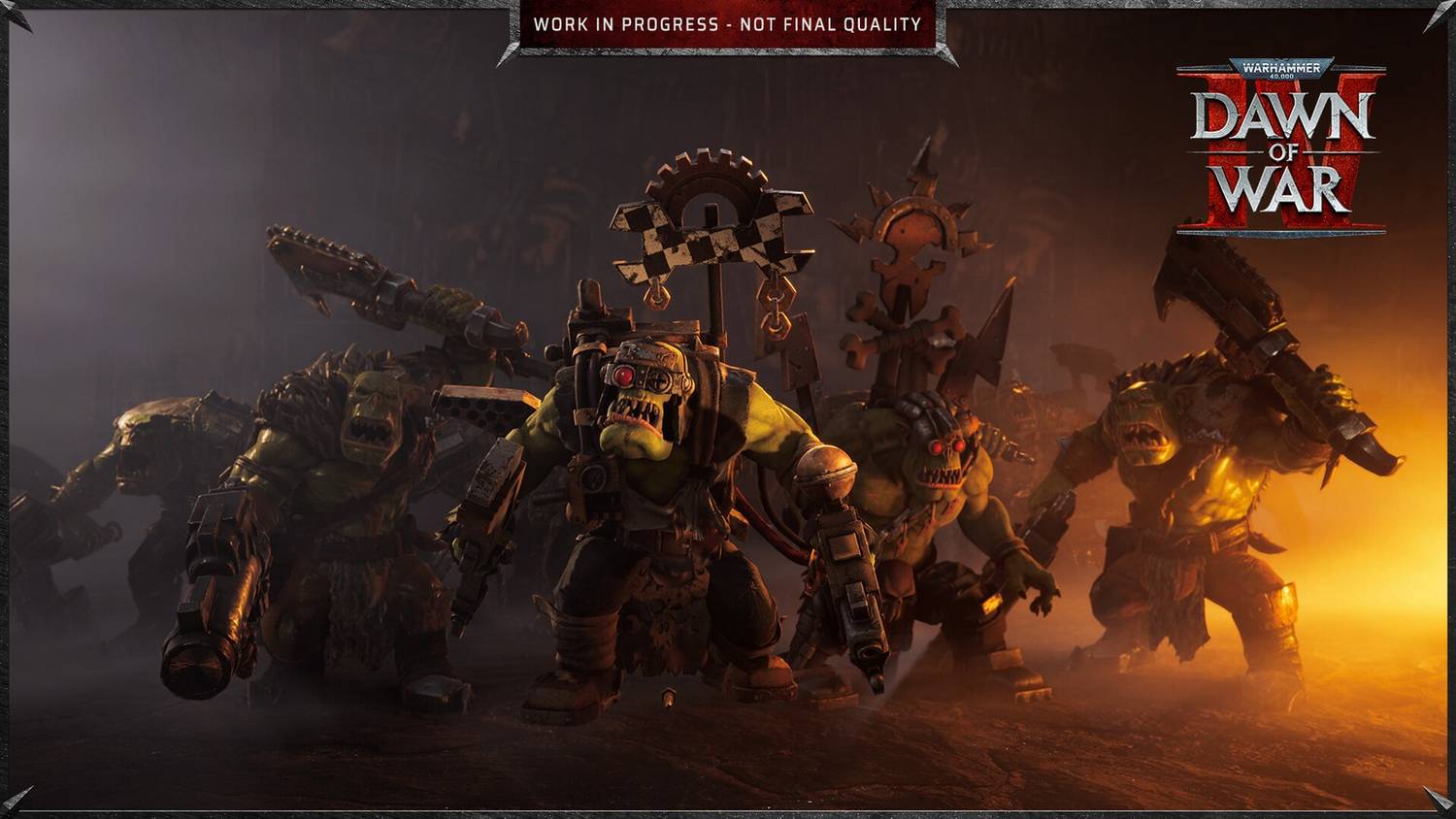
The highly anticipated reveal of Warhammer 40,000: Dawn of War 4 has been met with fervent enthusiasm, not least because the new developer, King Art Games, has explicitly stated its core design philosophy: to create a “modern interpretation” of the original Dawn of War 1. After the polarizing reception of Dawn of War 3, this return to the series’ foundational Real-Time Strategy (RTS) mechanics—namely base-building, grand-scale battles, and resource control—is a strategic move that addresses the long-standing demands of the passionate fanbase.
Scheduled for release in 2026 and published by Deep Silver, Dawn of War 4 is poised to deliver a massive experience, featuring over 70 campaign missions co-written by acclaimed Black Library author John French. The game will launch with four distinct, highly asymmetrical factions: the stalwart Space Marines, the chaotic Orks, the awakened Necrons, and, making their grand debut as a full-fledged playable faction, the mysterious Adeptus Mechanicus.
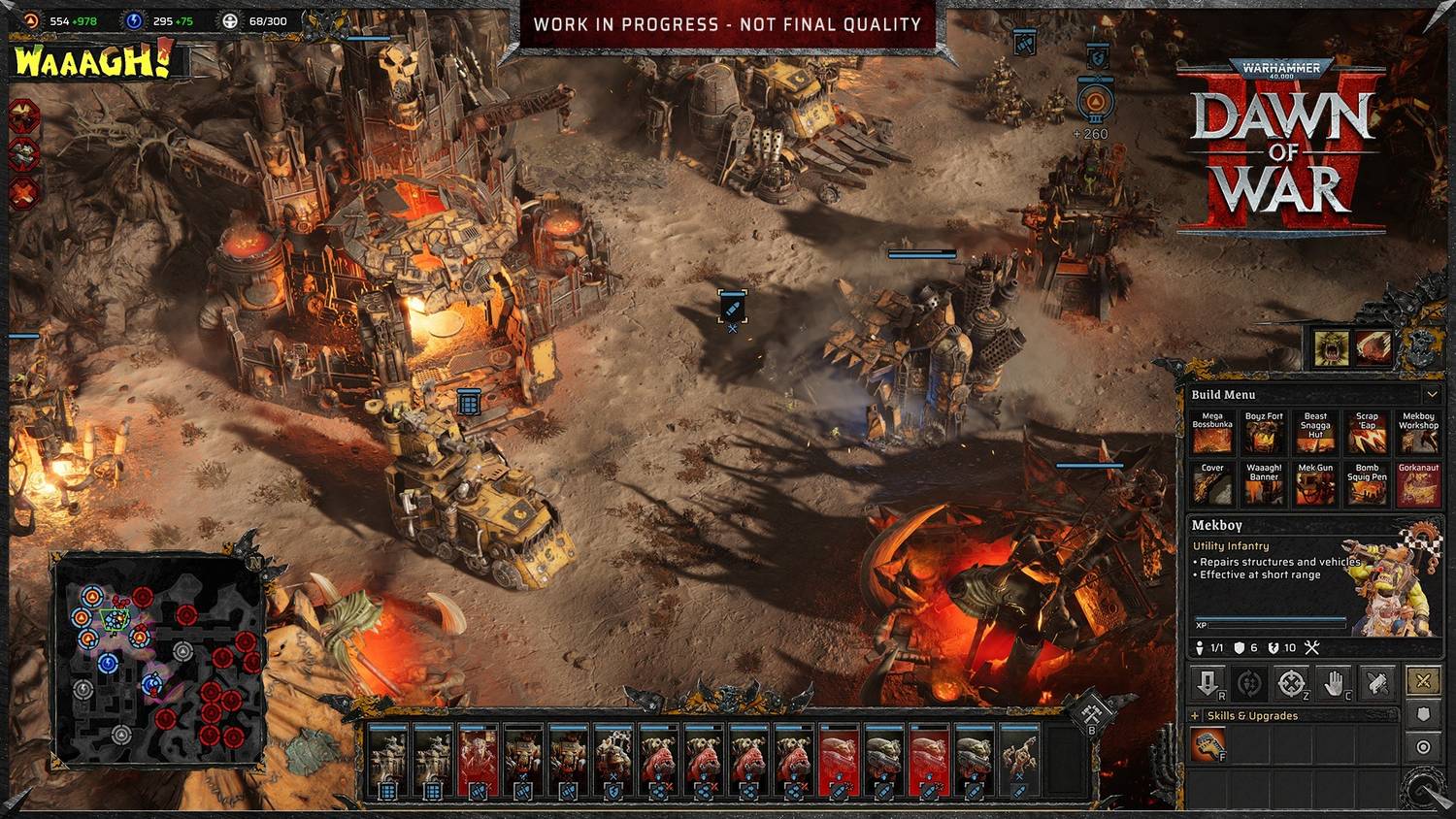 A Return to the Guiding Star: Base-Building and Strategic Depth
King Art Games co-founder Jan Theysen described the original Dawn of War as the new sequel’s “guiding star.” This philosophy is a direct response to fan feedback, which overwhelmingly requested a departure from the more hero-centric, smaller-scale battles of Dawn of War 2 and the MOBA-like elements of Dawn of War 3.
- Classic RTS Pillars: Dawn of War 4 will feature full base-building, allowing players to construct extensive fortifications and intricate economic networks—a staple of the classic RTS genre.
- Resource Control: The return of the classic Requisition and Power resource system, tied to capturing and upgrading strategic map points, reinforces the importance of map control and tactical maneuvering over pure micro-management.
- Grand-Scale Conflict: Battles are designed to be “relatively drawn-out,” rewarding careful strategic investment and punishing hasty engagements. Players must weigh the cost of reinforcing a squad and preserving its precious veterancy against losing control of key objectives, injecting a layer of “losing the battle but winning the war” tension.
- Expanded Spectacle: The fan-favourite Sync Kill system has been dramatically expanded with over 10,000 unique animations, creating viscerally engaging and cinematic close-combat duels that capture the brutality of the Warhammer 40K universe.
This commitment to the tenets of classic RTS gameplay is the core of the title’s market positioning and is an overt attempt to capture the high-value PC gaming and Strategy Games audience that felt underserved by previous installments.
The Secrets of the Omnissiah: Adeptus Mechanicus Mechanics
The Adeptus Mechanicus (AdMech) are arguably the most anticipated new faction, and their unique mechanics represent a key facet of the “modern interpretation” of Dawn of War 1’s design. The faction’s gameplay is deeply rooted in its lore as the keepers of Imperial technology, offering a distinctly different strategic challenge from the other three factions.
- The Noosphere Network: The central mechanic for the AdMech is their Noosphere Network. Their structures and static units are interconnected, creating an area-of-effect buff, or AOE-buff, across their interconnected territory. This is a brilliant realization of the faction’s cybernetic, machine-worshipping aesthetic.
- Strategic Placement: Success with the AdMech hinges on the crafty arrangement of buildings and units. Players must meticulously plan their base and defense lines to maximize the Noosphere’s network effects, which grant bonuses to production, combat performance, and possibly even Fog of War detection.
- Counter-Play Potential: This network also introduces a fascinating new layer of counter-play for opposing forces. Enemy players will be incentivized to target and sabotage the connections and focal points of the Noosphere to disempower the AdMech’s fortifications and frontline units. This creates a compelling new tactical objective: disrupt the machine-god’s signal.
- Unique Unit Roster: Their army will feature iconic units such as the massive Knight Castellan super-heavy walker, Kataphron Destroyers/Breachers servitor infantry, and the sleek, fast Ironstrider Ballistarii / Sydonian Dragoons, bringing a visually distinct and mechanically complex fighting force to the battlefield.
The introduction of the AdMech and their unique, synergistic mechanics proves that the developers are not merely creating a remastered clone. They are using the framework of the original game to introduce genuinely innovative strategic challenges, appealing to players seeking a high-skill ceiling in their Competitive Multiplayer RTS titles.
Looking Ahead: CPC Value and SEO Dominance
The announcement of Dawn of War 4 has generated a surge in SEO and high-volume search traffic. The convergence of the Warhammer 40,000 IP with the fervent demand for a true classic RTS revival has created a treasure trove of high CPC keywords for the industry:
- High-Value Keywords: Dawn of War 4, RTS Revival, Warhammer 40K Strategy, Base Building RTS, Adeptus Mechanicus Gameplay, DoW 1 Sequel, King Art Games.
- Target Audience: The content is heavily focused on the core PC Strategy Gaming demographic, a group known for its high engagement and willingness to invest in quality titles.
By returning to its roots and simultaneously innovating with the Adeptus Mechanicus’s networking gameplay, Dawn of War 4 is attempting to secure its place not only as a successful sequel but as a defining pillar in the modern real-time strategy landscape. The 2026 release date marks the next major battleground for the highly lucrative Warhammer 40K video game licensing market.