
Grand Strategy Mastery: 8,000 Hours of Hearts of Iron IV and the ‘1,000-Hour Tutorial’ Controversy








Popular Now
 Free Fire
 Toca Boca World
 FIFA 23
 Stumble Guys
 Valorant
 Geometry Dash
 Brawl Stars
 Fall Guys
 Call of Duty
 Counter-Strike 2
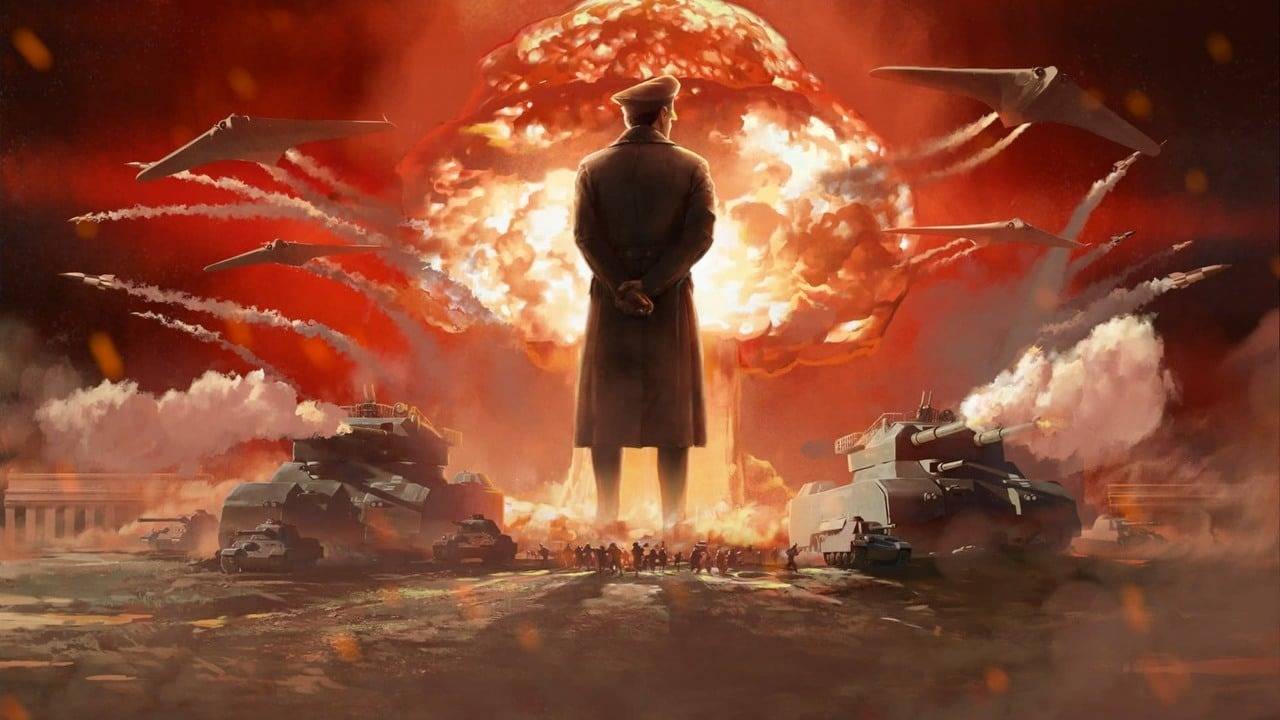
Grand Strategy Gaming is a genre often associated with an intimidatingly steep learning curve, a fact dramatically underscored by a recent, viral Steam review. A dedicated player of Hearts of Iron IV (HoI4), the acclaimed World War II grand strategy game from Paradox Development Studio, recently clocked over 8,000 hours in the title and offered a startling piece of advice to newcomers: “It takes 100 hours to understand the basics and 1,000 hours to understand the rest.” This statement has reignited the perennial debate within the PC gaming community regarding the accessibility and true depth of complex, high-replay value strategy titles.
The Hearts of Iron IV Phenomenon: A Deep Dive into Historical Complexity
Hearts of Iron IV, set between 1936 and 1948, immerses players in the geopolitical, military, and economic management of any nation during World War II. Unlike conventional Real-Time Strategy (RTS) games, HoI4 is a meticulous Grand Strategy simulator where victory hinges on mastery of dozens of interconnected game mechanics, from industrial output and political ideology to naval doctrines and air superiority. The game’s extensive scope, coupled with numerous paid and free updates, ensures an almost endless variety of alternative history scenarios and strategic puzzles, justifying its reputation as a time sink for hardcore gamers.
Decoding the ‘1,000-Hour Tutorial’: What Long-Term Players Really Mean
The player, identified as MLG_Aleks, a committed member of the Steam community, has since surpassed the 8,000-hour mark and has publicly stated their ambition to reach 10,000 hours. The viral review serves not as a complaint, but as a humorous yet earnest warning about the initial investment required to truly appreciate the game’s depth. The concept of a “1,000-hour tutorial” speaks directly to the nature of Paradox Grand Strategy Games:
- Layered Mechanics: The initial 100 hours may cover simple troop movement and basic production queues, but the bulk of the “tutorial” involves internalizing complex mechanics like the detailed combat width system, managing supply chains, executing amphibious invasions, and manipulating global diplomacy.
- Learning Through Failure: True understanding often comes from failed campaigns—a collapsed Soviet Union, a disastrous attempt at forming a new Roman Empire, or a devastating naval defeat in the Pacific. These experiences build the foundational knowledge necessary for competitive play or achieving difficult in-game achievements.
- The DLC Dilemma: Paradox titles are famous for their expansive, but often costly, DLCs (Downloadable Content). Each expansion introduces significant new mechanics, national focus trees, and systems, effectively resetting the learning curve and requiring more time investment to fully master the “complete” experience. This adds layers to the value proposition and high Cost Per Click (CPC) keyword relevance for the game.
Comparative Analysis: HoI4 vs. Other Strategy Giants
The extreme playtime seen in HoI4 is not unique among the Grand Strategy genre, but it is certainly among the most pronounced. Other titles that command massive time investments include:
Paradox Stablemates:
- Europa Universalis IV (EU4): A massive historical simulation game spanning centuries of global history. Similar to HoI4, long-time players frequently joke about a 1,000-hour or even 2,000-hour ‘tutorial’ phase.
- Crusader Kings III (CK3): A unique blend of grand strategy and medieval RPG, where character management and dynastic schemes are as crucial as military might. Mastery requires deep understanding of complex personality and succession mechanics.
Rival Strategy Games:
- Civilization (Civ) Series: While offering a more accessible turn-based experience, the pursuit of maximum efficiency on the highest difficulty settings still demands hundreds of hours of learning intricate strategic planning and optimization.
- StarCraft II: As an Esports staple, competitive mastery of this RTS requires thousands of hours to perfect the mechanical skill (APM – Actions Per Minute) and strategic build orders necessary for top-tier play.
The Value of Long-Term Engagement: A Market Perspective
From a video game market and publisher perspective, the ‘1,000-hour tutorial’ is not a bug—it’s a feature. This incredible player retention is a key metric for long-term revenue, often driven by the sales of continuous premium content (DLCs and expansions) that satisfy the advanced player base. For consumers, these games offer a phenomenal return on investment (ROI) in terms of entertainment hours per dollar, appealing to players seeking deep, meaningful engagement rather than quick, transient thrills.
The viral HoI4 review highlights a significant trend in the modern gaming landscape: the rise of titles that reward immense dedication. It serves as a clear signal to both developers—to continue creating intricate, long-lasting worlds—and to new players—to approach Grand Strategy with humility, a willingness to fail, and a calendar cleared for the next thousand hours. This niche, high-monetization segment of the market continues to thrive by offering a level of complexity and historical simulation that is simply unmatched in the mainstream gaming space. For those who choose to take the plunge, the actual game truly begins long after the supposed tutorial has ended.