
Newswire Exclusive: Director Phil Johnston on Why Netflix’s ‘The Twits’ Had to Ditch the Book




Popular Now
 Gacha Club
 Free Fire Max
 Minecraft
 Free Fire
 Toca Boca World
 FIFA 23
 Candy Crush Saga
 Counter-Strike 2
 Schedule I
 Sonic the Hedgehog™ Classic
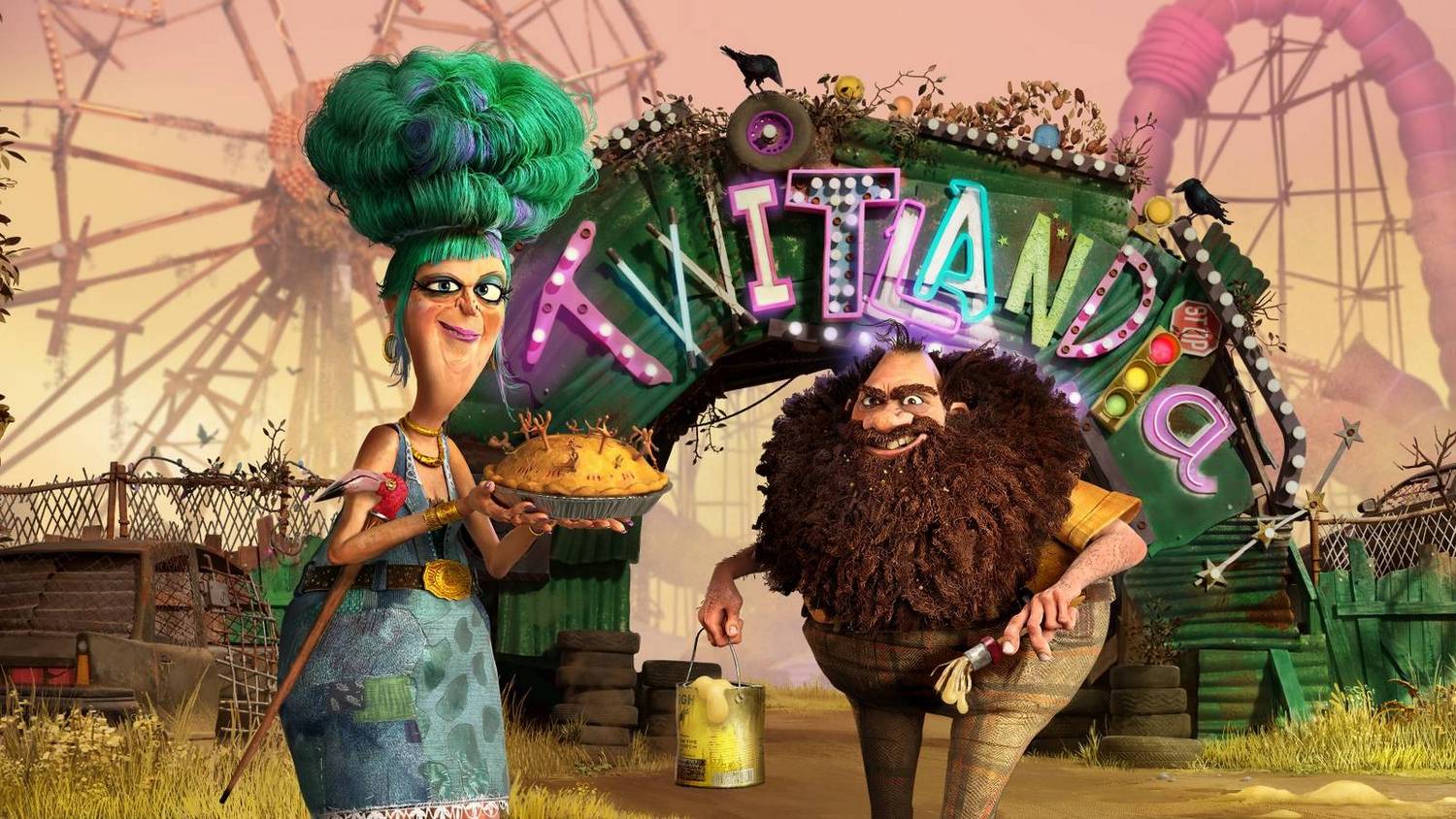
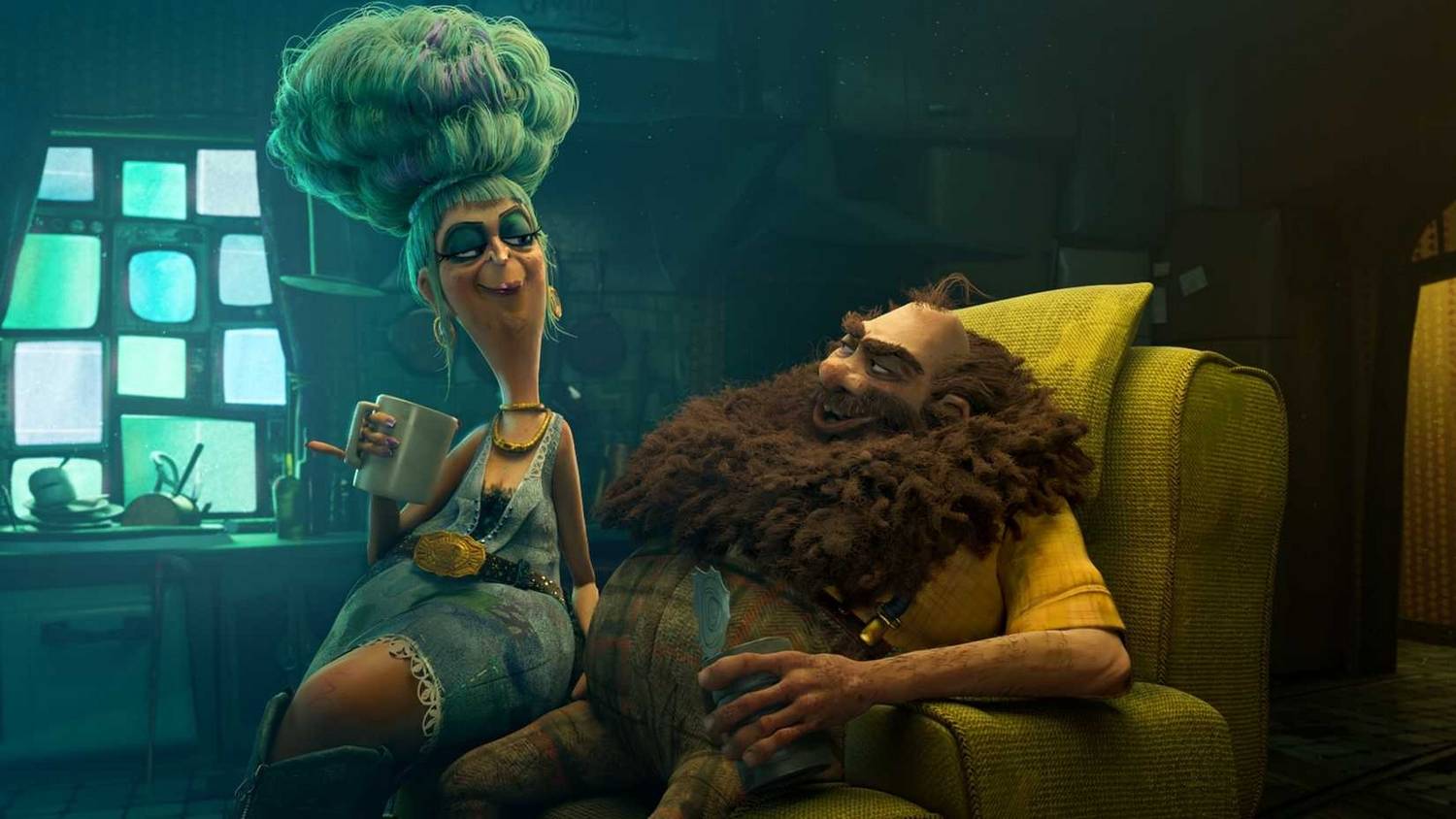
Netflix’s latest foray into the world of Roald Dahl—an animated feature film adaptation of the notoriously gross and grumpy children’s book, The Twits—has generated significant buzz, not just for its star-studded voice cast but for its substantial deviation from the source material. Where the 1980 novel is famously brief and focused almost exclusively on the disgusting pranks of Mr. and Mrs. Twit, the new film, helmed by veteran writer and director Phil Johnston (Ralph Breaks the Internet), expands the story into a full-length adventure with new characters and a timely political satire.
In a recent interview, Johnston was unequivocal in his explanation for why the adaptation “throws out most of the book,” citing the original’s limited scope and the need for a modern narrative structure that could sustain a feature-length production and resonate with today’s global audience, a key requirement for a high-value streaming content investment like this.
 The Director’s Primary Rationale: Expanding the Narrative for a Feature Film
“The Twits, as a book, is magnificent for what it is: a series of brilliantly funny, gross-out vignettes,” Johnston explained. “But it’s structurally too slight to build a 90-minute movie around. You can’t just do 90 minutes of them pulling tricks on each other. It would be a short film, at best.”
This central problem necessitated the creation of an entirely new story framework. The Netflix adaptation introduces an elaborate quest involving the captured Muggle-Wumps and their fight for freedom, alongside a new layer of biting social and political commentary that has surprised early reviewers.
- The “Structural Deficit”: The original book’s structure—essentially a collection of interconnected short scenes—lacked the necessary three-act arc and character development to function as a modern family film.
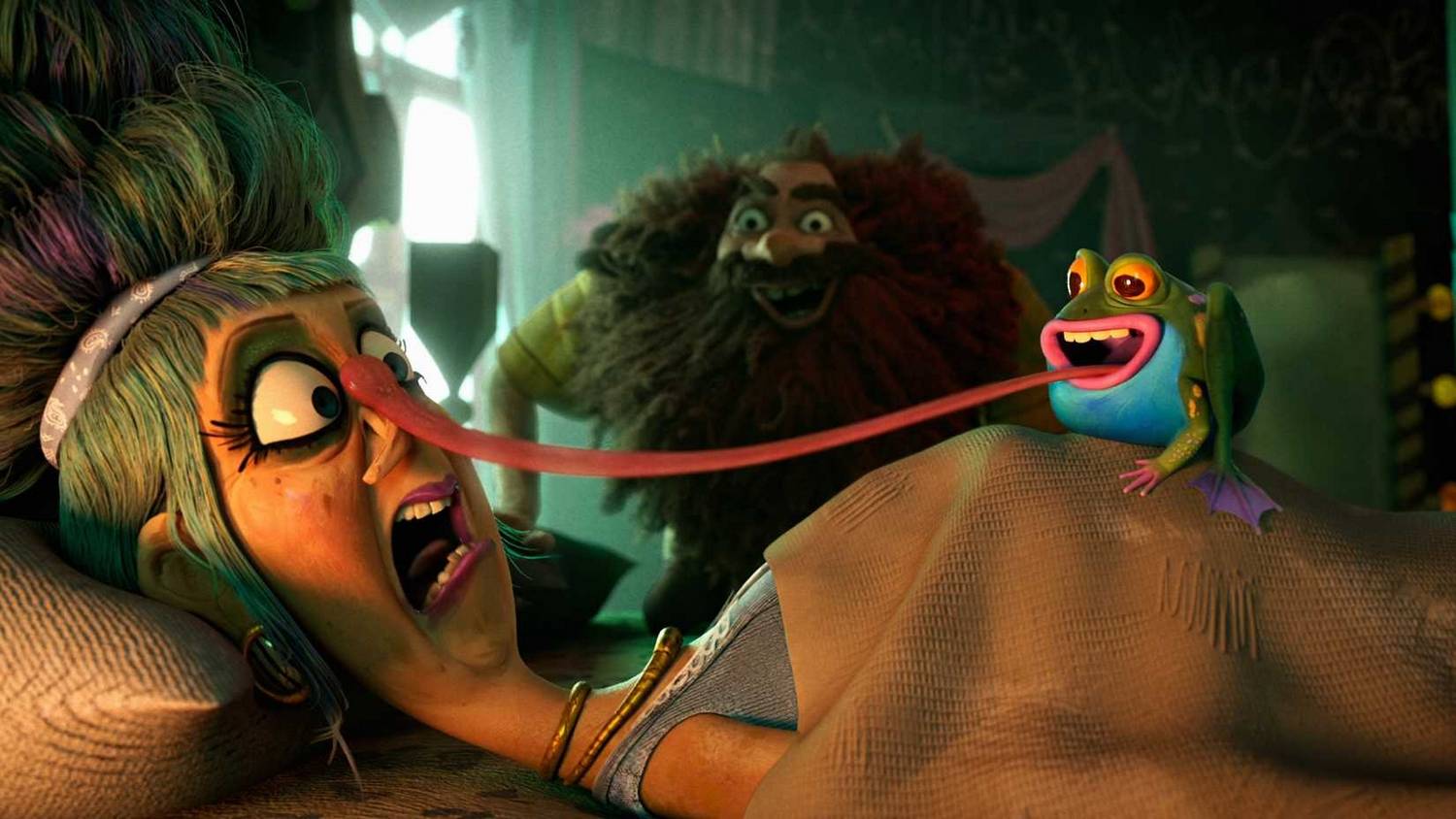
- The Muggle-Wumps and New Characters: The film elevates the captive Muggle-Wumps, a family of monkeys, into central characters. It also adds an insect narrator, Pippa, and a mayor character, Mayor Wayne John John-John, whose absurd storyline is a vehicle for the film’s political satire, tackling themes of mob mentality and found family.
- The Need for Heart: Johnston noted that while the original Dahl text is delightfully mean-spirited, a feature film—especially one designed to appeal to a wide streaming demographic—required a “warm, gooey center.” This heart is provided by the Muggle-Wumps and their struggle, giving the audience someone to root for beyond just the “good” characters surviving the “bad” ones.
Addressing Concerns: The Balancing Act of Adaptation
The decision to significantly modify Dahl’s work is not without controversy, especially given the ongoing debate over the editing of Dahl’s original texts for modern sensitivity, a movement tied directly to the Roald Dahl Story Company being acquired by Netflix.
Johnston’s creative choices for the film, however, are distinct from the editorial changes made to the books. His changes focus on narrative expansion rather than language scrubbing. Nevertheless, the director acknowledges the weight of adapting such a beloved, and at times, controversial author.
“There’s a fine line between paying homage to the source and building something that stands on its own,” Johnston stated. “Our goal was to maintain the Dahlian spirit—the dark humor, the clever dialogue, the sheer demented joy of it—while making it viable for a contemporary, commercial audience. The Muggle-Wumps fighting back against injustice, the absurdity of the Twits’ town—that’s just applying the author’s anti-authoritarian streak to a bigger canvas.”
 The High-CPC Appeal: Political Satire and the Modern Market
A notable, and marketable, element of the new adaptation is its sharp infusion of political satire. Critics have pointed out that the movie delivers “biting political commentary” alongside the gross-out humor. This strategic inclusion allows the film to attract an adult audience interested in premium streaming content and current affairs, broadening its appeal beyond just children.
This shift reflects a broader trend in family entertainment to layer complex themes beneath a colorful surface. By transforming the simple tale of two nasty people into a commentary on social dynamics and political dysfunction, the adaptation aims for a critical and commercial success that a strictly faithful version of the slight book could not achieve.
Ultimately, Johnston’s reasoning boils down to a fundamental truth of cinematic adaptation: sometimes, to capture the spirit of a book on screen, you must change the letter of its text. For The Twits, this meant injecting enough new story and social relevance to transform a brief children’s story into a robust family entertainment property for the competitive streaming landscape.