
Sony Files for Preliminary Injunction to Block Tencent’s Alleged ‘Horizon’ Clone, Citing ‘Irreparable Harm’










Popular Now
 Free Fire
 Minecraft
Among Us
Minecraft
Among Us
 Call of Duty
 Sonic the Hedgehog™ Classic
Valorant
Sonic the Hedgehog™ Classic
Valorant
 Fall Guys
 League of Legends
 Rust
Rust
 Counter-Strike 2
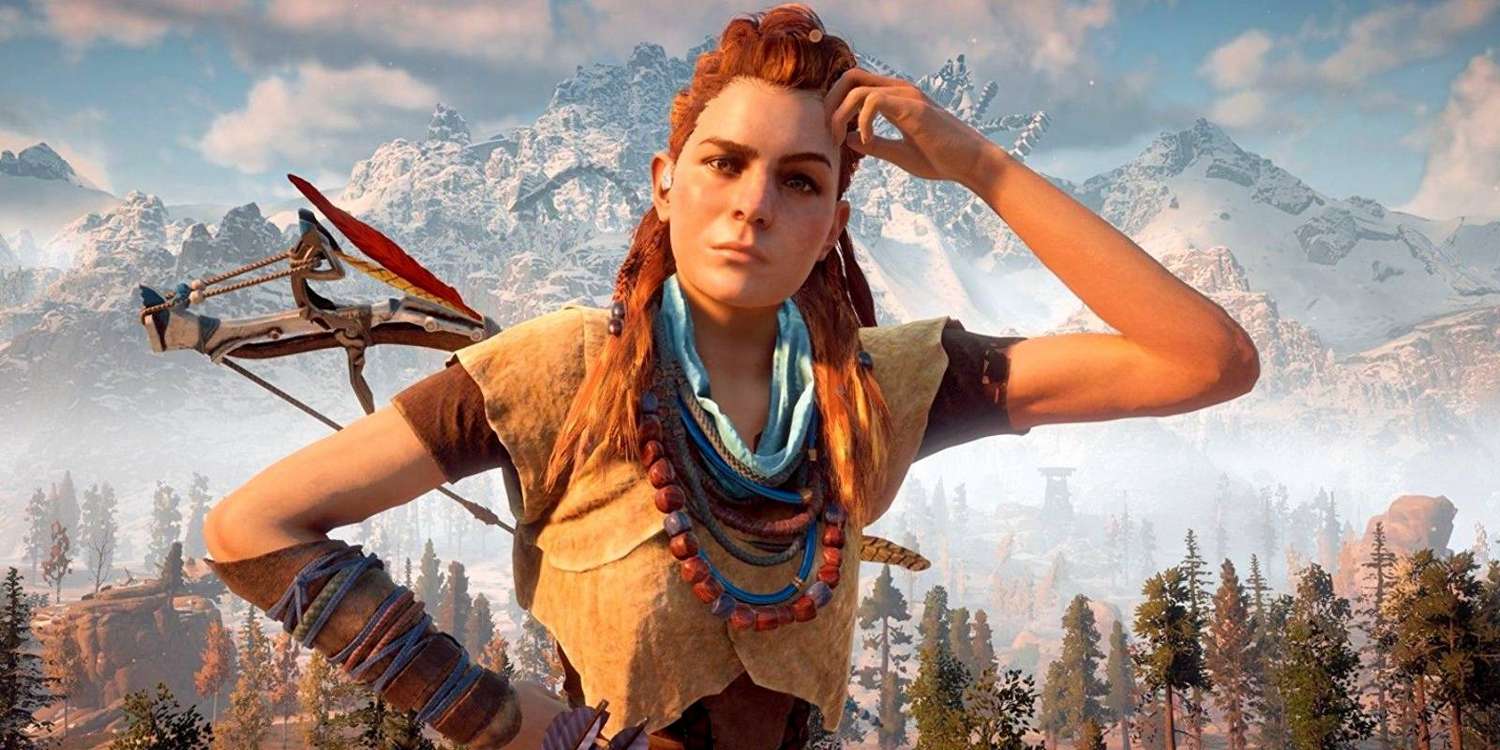
The high-stakes legal battle between gaming titans Sony Interactive Entertainment (SIE) and Tencent has escalated dramatically. SIE has officially filed a motion for a preliminary injunction in a California court, seeking to bar the Chinese conglomerate from continuing promotion, development, and eventual release of its upcoming title, Light of Motiram. Sony claims the game is a “slavish clone” of its globally successful open-world RPG franchise, Horizon Zero Dawn and Horizon Forbidden West, and asserts the immediate need for judicial intervention to prevent “irreparable harm” to its intellectual property and ongoing expansion plans.
The Core of the Copyright and Trademark Dispute
The legal action, initially filed by Sony in July 2025, centers on pervasive similarities between the two titles. Sony’s recent preliminary injunction filing specifically targets several key elements of Light of Motiram:
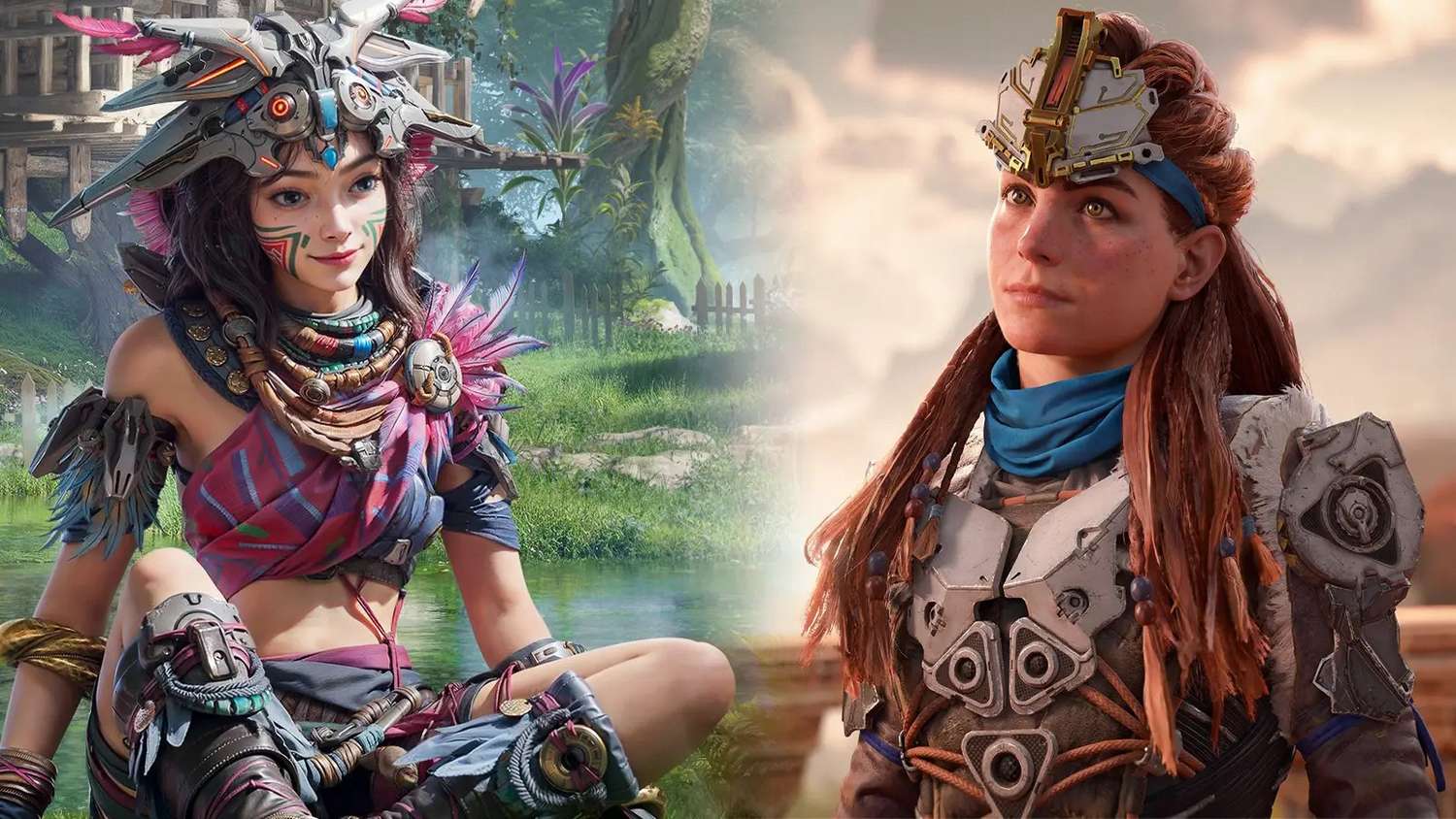
- The protagonist, described by Sony as a “fierce tribal warrior huntress characterized by fiery red hair,” which they argue is a near-identical likeness of Horizon’s iconic lead, Aloy.
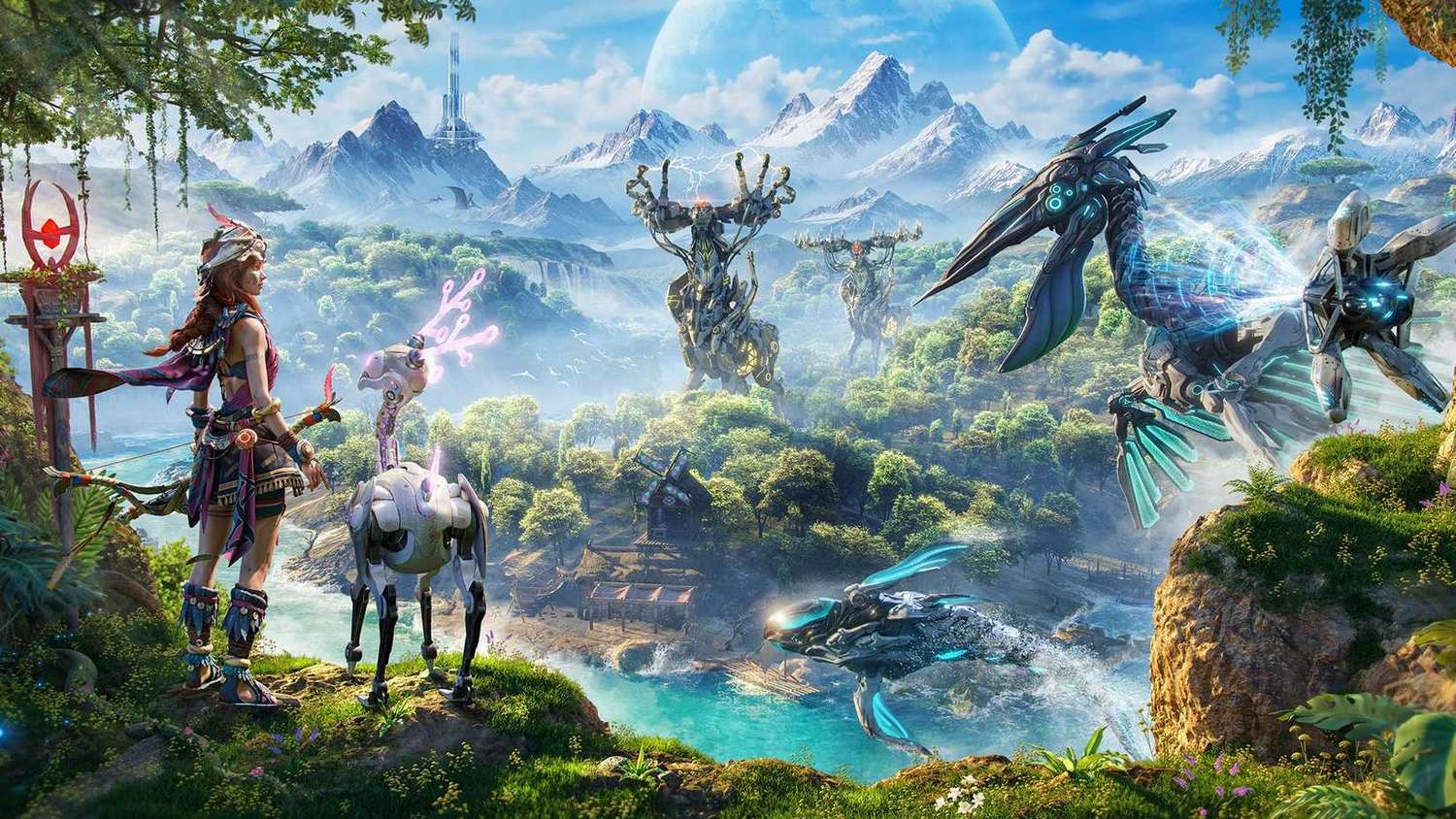
- Visual aesthetics, including a post-apocalyptic world featuring primitive, tribal societies battling massive, technologically advanced robotic creatures—a hallmark of the Horizon franchise’s unique setting.
- Specific musical compositions, with Sony alleging the trailer melody for Light of Motiram is too similar to two tracks from the Horizon Zero Dawn Original Soundtrack (OST), including the main theme.
- Storyline elements and overall “look, sound, and narrative.”
Sony’s position is that the similarities are so “blatant” that they have already caused confusion among consumers and the media, a key component in establishing trademark and copyright infringement. “The copying was so egregious that numerous journalists and Horizon fans loudly decried the obvious and pervasive copying of Horizon’s protected elements,” Sony’s filing stated.
 Tencent’s Defense and Sony’s Counter-Argument: A Legal ‘Shell Game’
Tencent, through its development partner Polaris Quest, filed a motion to dismiss the original lawsuit, arguing that Light of Motiram merely utilizes “time-honored tropes” found in numerous other video games, such as The Legend of Zelda and Far Cry. They also initially argued that since the game’s release date was pushed back to Q4 2027 following the lawsuit—a move Sony calls a “shell game”—there is no “immediate threatened injury” to warrant an injunction.
Sony has vehemently rejected this defense as “nonsense.” In its response, SIE executives argue that “The damage is done—and it continues.” They maintain that the public confusion and the loss of control over their intellectual property (IP) are reason enough to grant the injunction, regardless of the game’s distant release date. Furthermore, court documents filed by Sony accuse Tencent of an attempted end-run around its IP, alleging that the Chinese giant had approached Sony in March 2024 seeking a license for a Horizon spin-off, which Sony declined. Tencent then allegedly proceeded with its own strikingly similar project shortly thereafter.
The legal maneuver underscores the enormous value of the video game IP market, particularly in the open-world survival genre, which commands some of the highest Cost Per Click (CPC) keywords in digital advertising.
Implications for the ‘Horizon’ Film and Future Franchise Growth
The gravity of the dispute is compounded by Sony’s significant investment in expanding the Horizon universe. Declarations filed as part of the legal proceedings by high-ranking PlayStation executives have revealed new details about the much-anticipated Horizon Zero Dawn film adaptation. Head of PlayStation Productions, Asad Qizilbash, confirmed under oath that the film currently has a working script, and casting for the role of Aloy—expected to be a “key icon in the anticipated film”—is underway. The movie is reportedly slated to begin shooting in 2026 for a potential 2027 release.
Guerrilla Games Studio Director Jan-Bart van Beek also provided a sworn declaration, expressing concern that the continued promotion of Light of Motiram will “confuse players and harm the growth of the Horizon franchise,” especially as Sony ramps up its multimedia expansion. The simultaneous, high-profile promotion of an alleged knock-off could severely undercut the financial and cultural success of the upcoming film and future gaming titles, making the potential for “irreparable harm” a tangible threat to Sony’s billion-dollar franchise.
 What Happens Next: A December Decision?
A hearing for Sony’s motion for a preliminary injunction is currently scheduled for November 20, 2025, in the United States District Court for the Northern District of California. Industry analysts predict a decision could be handed down by the end of November or early December.
If the court grants the injunction, Tencent could be immediately forced to:
- Remove all current promotional material for Light of Motiram.
- Halt development on any game elements that utilize the intellectual property cited in Sony’s complaint, including the Aloy-like character model and alleged infringing music.
- Completely redesign the game’s protagonist and core aesthetic before any future promotion or release.
Conversely, if the injunction is denied, the lawsuit will proceed to trial, but Tencent would be allowed to continue its development and marketing efforts, a scenario Sony believes will cause immediate and ongoing financial and brand damage. The outcome of this case is being closely watched, as it could set a critical legal precedent for how aggressively game developers can pursue copyright and trademark claims against alleged “clones” in a globalized gaming market increasingly dominated by massive conglomerates.