
The Quiet Crisis: Navigating Social Isolation in the ‘Friendslop Renaissance’








Popular Now
 Black Myth: Wukong
 Toca Boca World
 FIFA 23
 Valorant
 Auto X Drift Racing 3
 BeamNG.drive
 Among Us
 The Legend of Zelda
 Poppy Playtime
 R.E.P.O
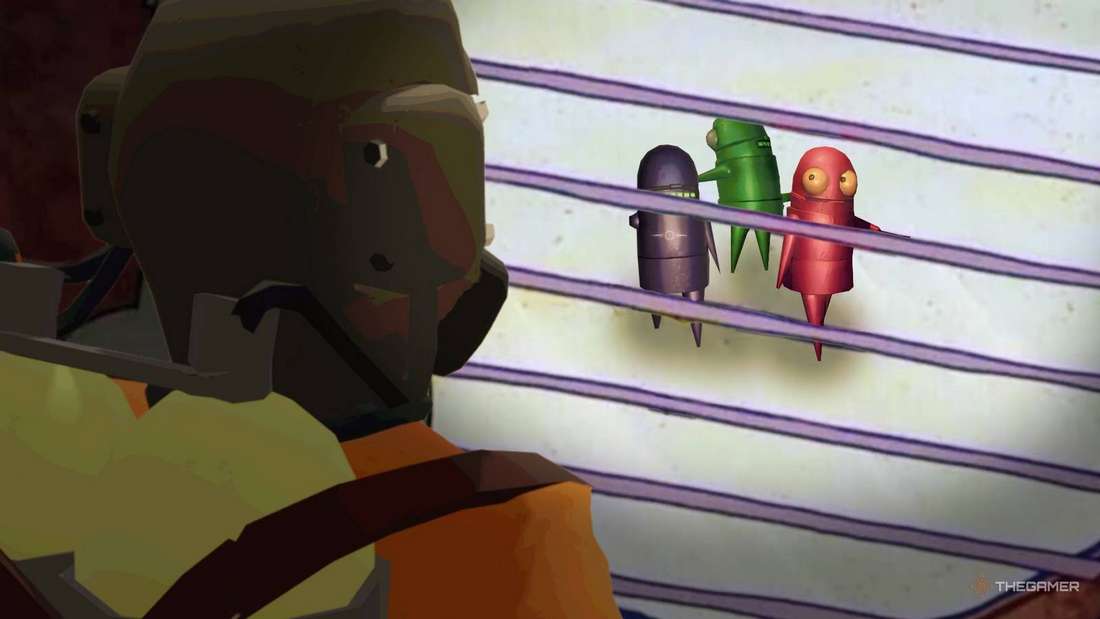
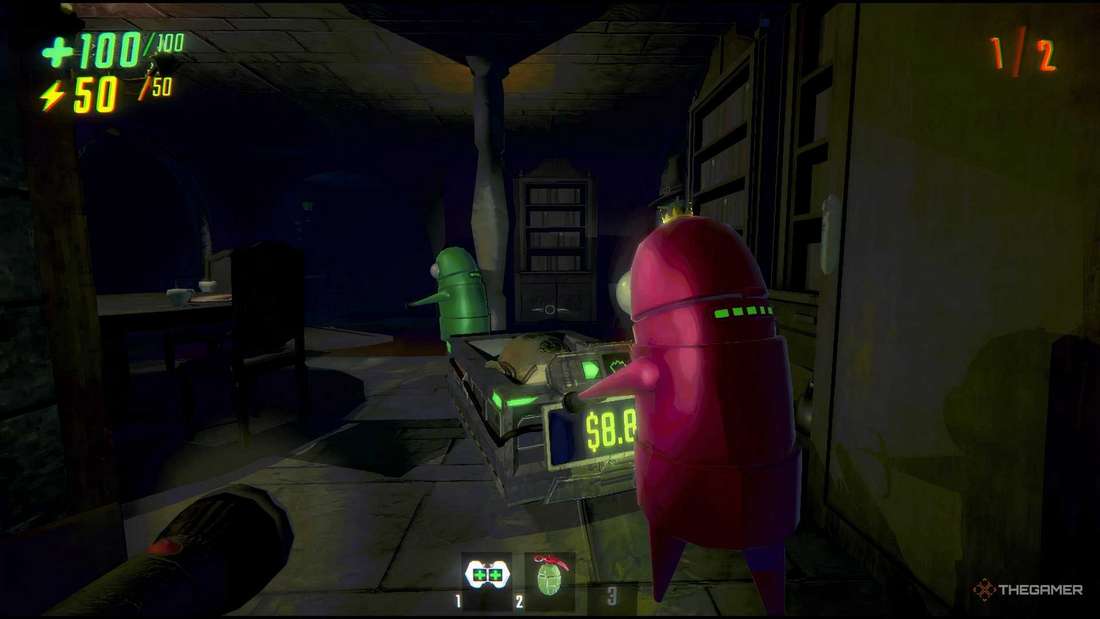
In the evolving landscape of modern gaming and digital connection, a curious and somewhat isolating trend has emerged: the ‘Friendslop Renaissance.’ This term, which has gained significant traction across social platforms and gaming news outlets in late 2025, refers to the surging popularity of low-cost, low-fidelity, heavily social, co-operative games—titles like Lethal Company, PEAK, and R.E.P.O. These games thrive on chaotic, emergent gameplay, providing meme-worthy moments that are highly engaging for content creators and their audiences. While they are lauded for fostering community and “goofing around,” a deeper, more concerning narrative is surfacing for a significant segment of the population: the introverted gamer.
The ubiquity of “Friendslop” highlights a silent crisis of social connectivity, particularly among those who naturally require minimal stimulation. For the introvert, this new golden age of mandatory multiplayer—where the core value proposition is the quality of your existing, high-energy social circle—paradoxically accentuates feelings of exclusion. The pressure to consistently engage in loud, unscheduled, and often performance-driven digital gatherings runs contrary to the introverted need for solitude and controlled, deeper interactions. This article delves into the quiet struggle of the introvert during this social-gaming boom, analyzing the economic and psychological costs associated with being on the outside looking in. This is a crucial area of focus for digital marketing and e-commerce strategies targeting the gaming niche, as understanding this nuanced player base is key to maximizing CPC and conversion rates.
The Paradoxical Pressure of Mandatory Multiplayer
The “Friendslop” genre has been a boon for the indie game developer scene, offering a low barrier to entry and a quick path to virality, driving high sales volumes and attention. Yet, its success is fundamentally predicated on pre-existing social capital. These games are, by design, often frustrating or simply unplayable solo. They are vehicles for creating internal, shared jokes—a digital equivalent of a water cooler moment—which is precisely where the introverted individual, who prioritizes depth over breadth in their relationships, often struggles. The constant stream of posts, clips, and trending topics revolving around these group experiences creates a new form of digital FOMO (Fear of Missing Out) that is especially taxing.
- Exacerbated Social Exhaustion: Even for introverts with strong social circles, organizing high-energy, synchronous gaming sessions after a long workday is a significant drain on their limited “social battery.” The spontaneous, all-or-nothing nature of many friendslop sessions makes low-stakes, casual participation nearly impossible.
- The Cost of Exclusion: The feeling of being “left out” is amplified when the current cultural zeitgeist of gaming is so focused on immediate, public group interaction. This isolation is not merely a preference for solitude but an enforced detachment from a major cultural moment.
- The ‘Performance’ Hurdle: Streaming and social media have made gaming a spectator sport. Friendslop games, in particular, encourage loud, expressive, and often over-the-top reactions. This ‘performance requirement’ is inherently uncomfortable and exhausting for many introverts, who prefer quiet contemplation and mastery over public spectacle.
This social dynamic is a major consideration for high-value keywords in the ‘loneliness’ and ‘digital wellbeing’ space, linking the gaming trend to broader psychological impacts. Businesses aiming for strong SEO optimization must recognize the demand for content that addresses this introverted perspective.
 Economic and Psychological Costs of the Trend
The ‘Friendslop Renaissance’ has economic ripples far beyond the initial low purchase price of the games themselves. The true cost is often paid in psychological currency by those unable to participate fully.
Gaming Culture & Mental Health:
p>Strong>Loneliness in a Hyper-Connected World: Social scientists and mental health professionals have repeatedly pointed to the damaging effects of chronic social isolation, which can be as detrimental to health as smoking. In the current 2025 news cycle, there’s a growing body of work suggesting that digital connection, while plentiful, is often insufficient for deep human bonding. The paradox is that the most ‘social’ games right now are contributing to a sense of loneliness for those who cannot easily jump into large, chaotic groups. This is a critical area for content marketing focusing on ‘mental health’ and ‘gaming balance’ (high search volume keywords).
- Loss of Shared Experience: When an introverted gamer misses out on a community-defining title, they are not just missing a game; they are missing a shared, cultural touchstone. They lose the casual conversation points, the inside jokes, and the sense of belonging that comes with a mass-market phenomenon.
- The ‘Investment’ Barrier: While the games are cheap, building and maintaining the social infrastructure (Discord servers, finding a regular group, committing to a schedule) to enjoy them is a significant time investment and emotional outlay that many introverts cannot sustain.
Market Opportunity and Strategic Review:
For publishers, the challenge—and the lucrative business opportunity—lies in creating compelling alternatives. The market is ripe for titles that are solo-friendly or optimized for two-player co-op, offering the depth and memorable moments of friendslop without requiring a full squad. Developers who pivot to a ‘quality over quantity’ social experience—focusing on intricate narrative or mechanical depth that can be shared in small, low-stress settings—will capture the highly engaged, but underserved, introverted demographic. This strategic shift is where high-intent commercial keywords like “best solo games 2025,” “deep co-op games for two,” and “non-stressful multiplayer” should be deployed for maximum ROI.
Designing for the Quiet Player: A Call to Developers
The current gaming ecosystem, driven by the viral loop of friendslop, risks alienating a substantial and financially valuable player base. Introverts, often characterized by their deep focus and appreciation for quality, represent a crucial segment for long-term customer value. The design philosophy of the future must actively embrace the needs of the quiet player, shifting from ‘mandatory chaos’ to ‘optional connection.’
The solution is not to eliminate social gaming but to diversify the entry points and the emotional tone of the experience. Developers must prioritize features that honor the introverted playstyle:
- Scaling Difficulty and Rewards: Implement smart scaling that makes a game genuinely rewarding for 1-2 players, not just 4-8. Rewards should not be disproportionately tied to group size, eliminating the pressure to find a full lobby.
- Asynchronous Multiplayer and Drop-In/Drop-Out: Systems that allow players to contribute to a shared goal at their own pace, or join/leave sessions without disrupting the entire group, are essential. This respects the introverted need for flexible scheduling and self-regulation of social energy.
- Narrative and Lore Depth: Emphasize rich lore and deep single-player systems that provide a satisfying experience even when played completely alone. The ‘shared moment’ can be one of contemplation and discovery, not just a slapstick failure.
- High Quality Voice Communication Alternatives: Develop robust, non-verbal communication tools (ping systems, contextual emotes, detailed text chat) to reduce the reliance on high-energy, constant voice chat, which is a major barrier for many introverts.
The ‘Friendslop Renaissance’ has highlighted the sheer demand for shared digital spaces. However, the next phase of gaming must be more inclusive. By acknowledging the loneliness that can exist even amidst a social boom, and by actively designing games that respect the introverted temperament, the industry can unlock a more sustainable, valuable, and—most importantly—healthier future for all players. This targeted focus on niche player needs, utilizing long-tail keywords and specialized content, is the definitive strategy for top-tier SEO and sustained market growth in the latter half of 2025 and beyond.