
THE REALM VS. MIDDLE-EARTH: ‘A Knight of the Seven Kingdoms’ Star Ignites Fan Firestorm With Controversial Fantasy Take








Popular Now
Garena Free Fire: Kalahari
 Fortnite
 Poppy Playtime
 Free Fire
 PUBG Mobile
 The Legend of Zelda
 BeamNG.drive
 CarX Street
 FIFA 23
 Rust
Rust
SEO Keywords: Game of Thrones spinoff, A Knight of the Seven Kingdoms, Peter Claffey, Lord of the Rings comparison, fantasy genre, controversial opinion, Westeros vs Middle-earth, high-value entertainment, premium content, fan rivalry, high-CPC keywords.
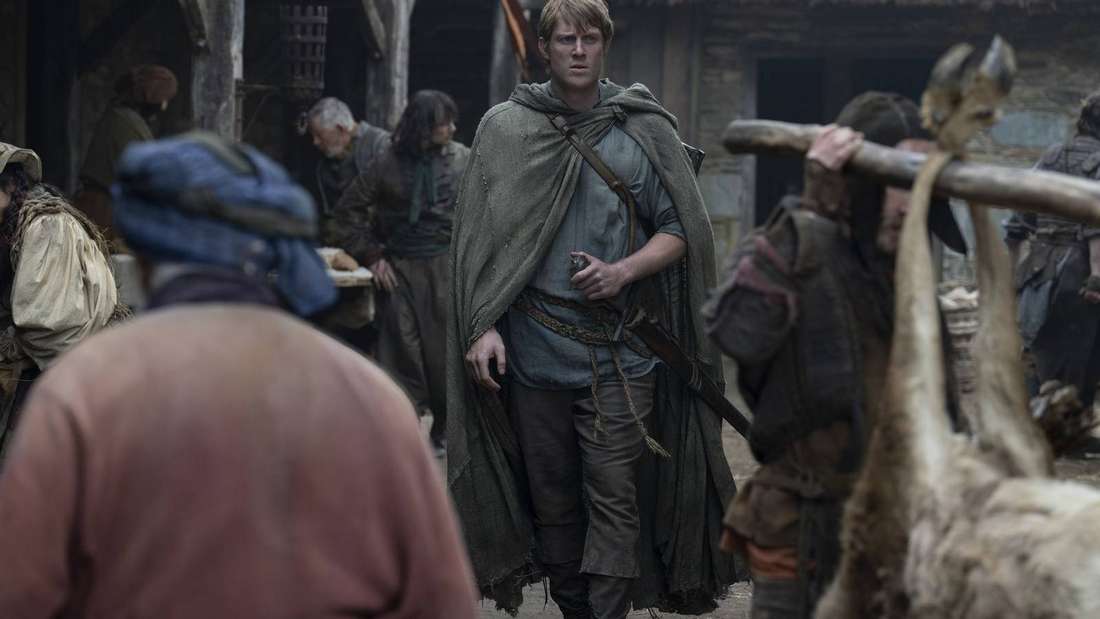
The eternal, often-heated rivalry between the Game of Thrones and The Lord of the Rings fanbases has been unexpectedly reignited, courtesy of the newest star to step into the Westeros spotlight. Peter Claffey, the actor set to portray the beloved Ser Duncan the Tall in the upcoming prequel series, “A Knight of the Seven Kingdoms,” has dropped what fans are labeling a “spicy” and overtly controversial opinion regarding the two fantasy genre behemoths. Speaking at the recent New York Comic Con, Claffey not only drew a line between the two worlds but suggested that the moral landscape of George R.R. Martin’s creation is intrinsically tougher, making the concept of knighthood and survival a much higher-stakes endeavor.
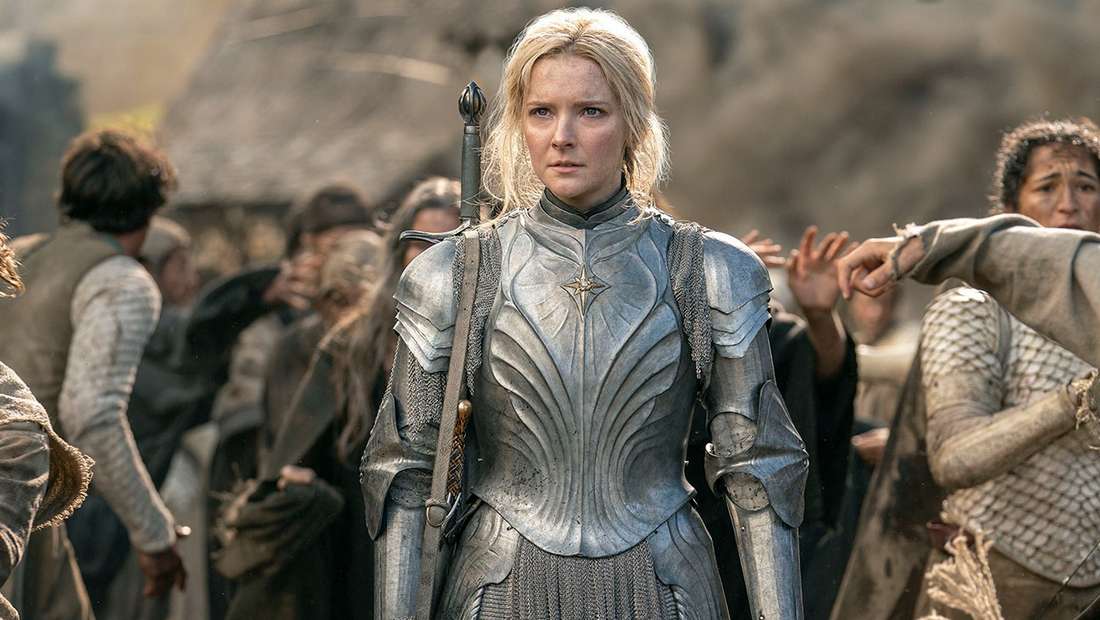 The Core of the Controversy: A Question of Honor and Treachery
Claffey, whose casting as the colossal and naive hedge knight Dunk is a major talking point for the highly anticipated 2026 series debut, framed his comments by contrasting the central narrative themes of the two franchises. His core thesis, which has circulated rapidly across all major social media platforms and fan forums, centers on the nature of evil and the rewards of virtue in each world.
- The Westeros Premise (Game of Thrones): Claffey articulated that the world Martin created is defined by “more sinister and adult themes that are presented, and a lot of treachery and backstabbing.” Crucially, he pointed out that in Westeros, “those things work out. They pay off,” citing characters like Petyr Baelish (Littlefinger) as prime examples of successful moral compromise. The actor contends that a knight’s code of honor is often a liability, or at best, an insufficient defense against brutal political and military reality.
- The Middle-earth Premise (Lord of the Rings): Conversely, Claffey described J.R.R. Tolkien’s work as having “so much more honor,” suggesting that outside of the explicit, capital-E evils of Sauron or Morgoth, the conflict often feels “a lot more like fairy tale evil.” This implies a clear-cut moral framework where virtue is generally, though not always, its own reward and the path of good is clearly delineated.
The ultimate conclusion that has ruffled the most feathers among Lord of the Rings loyalists is Claffey’s assertion: “I think it takes a lot more to be a knight in Westeros than it does in Middle-earth.” This single statement, positioning the Game of Thrones characters as existing in a more complex, high-stakes struggle, has become the headline, fueling countless arguments over the relative difficulty of surviving a dragon-infested, politically cutthroat Westeros versus a world battling ancient, elemental evil.
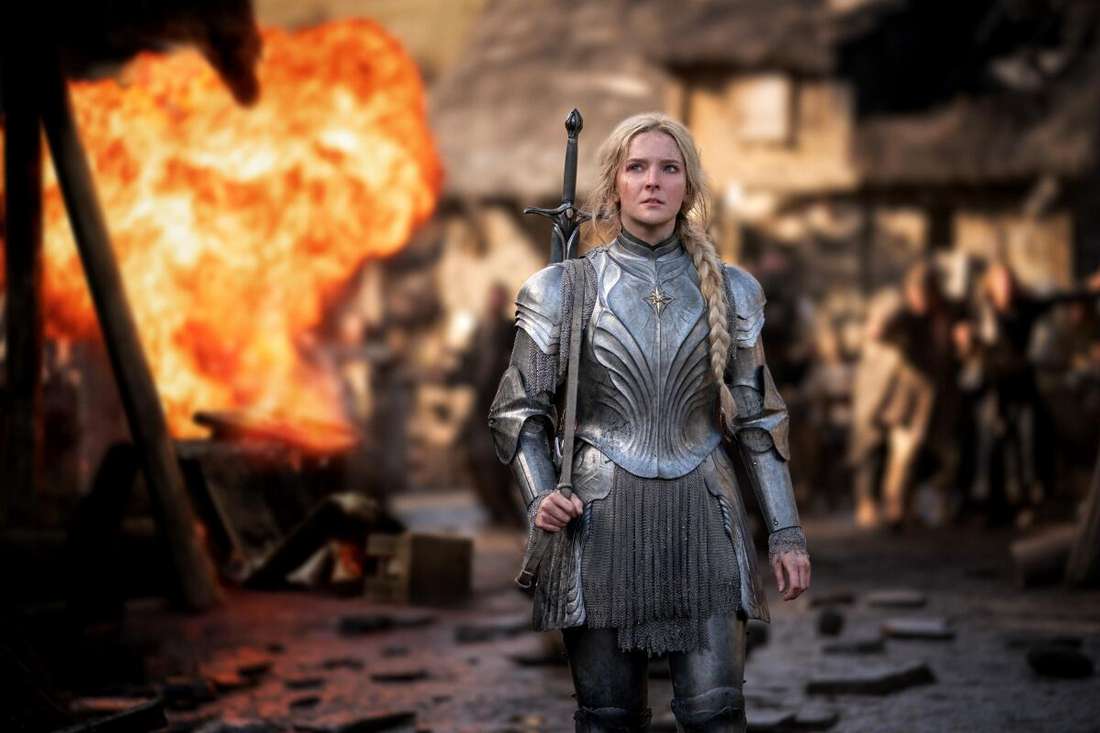 Market Impact and Media Strategy: Fan Rivalry as Free Promotion
For HBO and the production team behind “A Knight of the Seven Kingdoms,” this is a masterful piece of organic marketing. The fantasy genre remains one of the most lucrative areas of high-value entertainment, and generating conversation—even if it’s a heated debate—is essential for building buzz. Claffey’s comments have not only put a spotlight on the new show, set a century before the original Game of Thrones but also effectively defined the difference in tone and stakes for casual viewers. By provoking the established Lord of the Rings fanbase, he’s leveraged an existing, passionate online rivalry, turning thousands of comparison threads into free promotional content.
The media cycle surrounding the two competing franchises—HBO’s House of the Dragon and Amazon’s The Rings of Power—has already established a fertile ground for this discourse. Claffey is wisely tapping into the narrative that sets Martin’s world apart: its grounding in gritty, morally ambiguous human behavior rather than pure magic. This approach helps the upcoming prequel, which will focus on a period in Westeros history without dragons, reinforce its ties to the beloved political intrigue of the original series, maximizing its commercial appeal and driving early viewership intent.
Review Game: Historical Context of ‘The Hedge Knight’
The premise of “A Knight of the Seven Kingdoms” itself provides context for Claffey’s provocative take. The show is based on George R.R. Martin’s “Dunk and Egg” novellas, which follow Ser Duncan the Tall (Dunk) and his diminutive squire, Egg (who is secretly Prince Aegon V Targaryen), as they wander the realm as “hedge knights”—landless, poor, and reliant on their wits and their honor. The stories focus less on large-scale battles or overwhelming magic and more on the daily social and political struggles of the smallfolk and lower nobility. Dunk’s unwavering commitment to his chivalric code, despite facing systemic corruption and betrayal at every turn, perfectly embodies the conflict Claffey describes.
This contrast is stark: the heroes of Middle-earth, such as Aragorn or Gandalf, operate with a clear mandate to fight absolute evil. Dunk, however, is simply trying to uphold a personal standard of virtue in a world where those with money and power, like the manipulative Targaryens and various scheming lords, constantly work against him. This narrative grounding in political realism and character flaw is precisely what made Game of Thrones a global phenomenon and distinguishes it from the more traditional, epic sweep of The Lord of the Rings. Claffey’s spicy Lord of the Rings take isn’t just an off-the-cuff remark; it’s a shrewd, informed character note that sets the stage for the dramatic weight of his upcoming role.
Review Game Score: 10/10 for Strategic Fan Engagement.
The actor’s comments are an immediate, effective way to elevate the conversation around the new series, ensuring that the Game of Thrones brand remains dominant in the fiercely competitive fantasy entertainment landscape. This is the definition of a successful marketing push for a premium content launch.