
Ubisoft Shelves Assassin’s Creed Title Amid Political Climate Fears: Report Suggests Civil War Setting Was Too Controversial








Popular Now
 BeamNG.drive
 Minecraft
 FIFA 23
 Black Myth: Wukong
 Schedule I
 Grand Theft Auto V
 God of War Ragnarök
 EA SPORT FC 25
 Brawl Stars
 Among Us
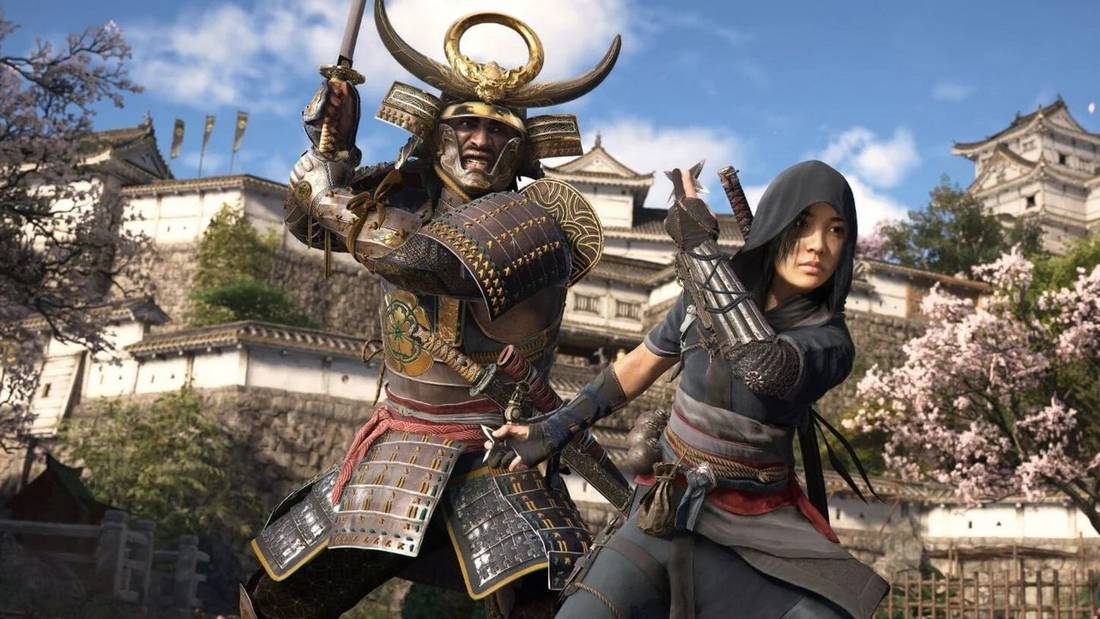
BREAKING NEWS: Global video game publisher Ubisoft has reportedly canceled a highly anticipated installment in its flagship Assassin’s Creed franchise, a project that would have been set during the turbulent period of the American Civil War and the subsequent Reconstruction era. Sources close to the company indicate the primary reasons for the cancellation were escalating political concerns and the potential for severe online backlash in the currently volatile U.S. political landscape.
The decision, reportedly made by Ubisoft management in Paris in 2024, has ignited a fresh debate over the role of political content in high-budget video games and the industry’s increasing aversion to creative risk.
 The Cancelled Project: A Black Assassin vs. The Ku Klux Klan
According to a detailed report by the gaming news outlet Game File, the scrapped Assassin’s Creed game—which was only in the early concept phase of development—was planned to feature a powerful and deeply significant historical narrative.
- Protagonist and Setting: The game’s hero was to be a formerly enslaved Black man who, after initially seeking a new life out West, would return to the post-war South and be recruited into the Assassin Brotherhood. The main timeline was set in the 1860s and 1870s.
- Core Conflict: The narrative would have focused heavily on the struggle for justice and the fight against the oppressive forces of the time. This central conflict was set to involve the hero directly confronting the emergence of the Ku Klux Klan (KKK), the white supremacist hate group founded in 1865.
- Historical Themes: Developers were reportedly enthusiastic about the opportunity to explore critical themes of racial violence, citizenship rights for freed slaves, and the fraught reintegration of the Confederate states. The belief was that the project offered a chance to deliver meaningful social commentary through the lens of a premium action-adventure game.
One anonymous developer involved with the project expressed deep disappointment to Game File, stating: “It’s a shame. We had a chance to tell a story that mattered.” This sentiment underscores a growing internal frustration within the industry when creative ambitions clash with corporate risk-management strategies.
 Corporate Anxiety and the Yasuke Backlash
Sources confirm that the cancellation decision was multifaceted, but two key factors reportedly pushed the game off the production slate:
- U.S. Political Instability: The primary concern cited was that the game’s subject matter was deemed “Too political in a country too unstable.” The current tense political climate in the United States, particularly surrounding discussions of civil rights legislation and historical memorials, was viewed as a financial liability. Executives reportedly feared that such a direct engagement with race and white supremacy would attract a firestorm of controversy too volatile to manage, potentially impacting sales revenue and Ubisoft’s stock price.
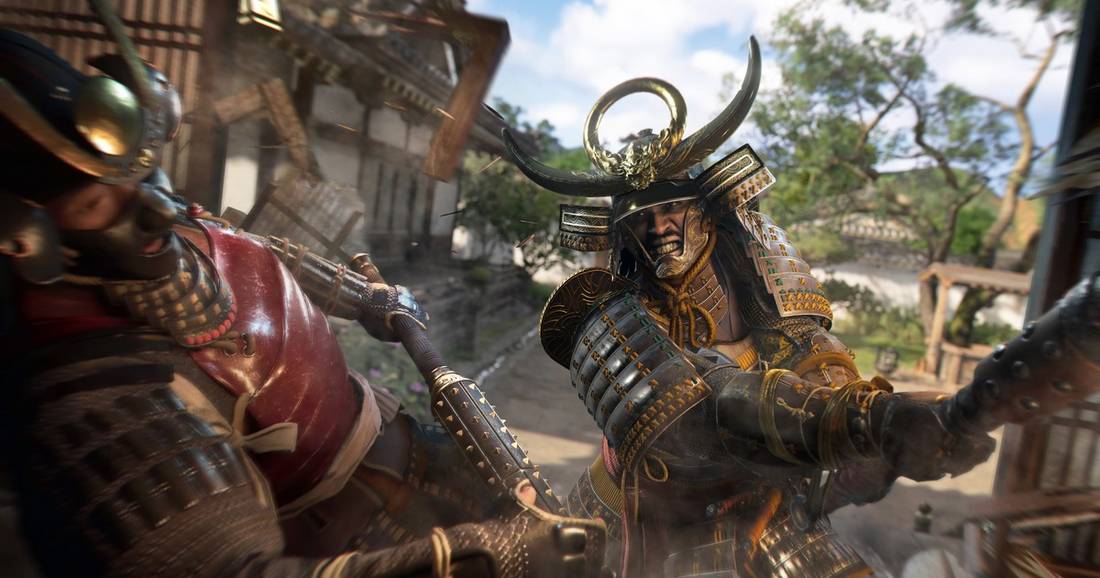
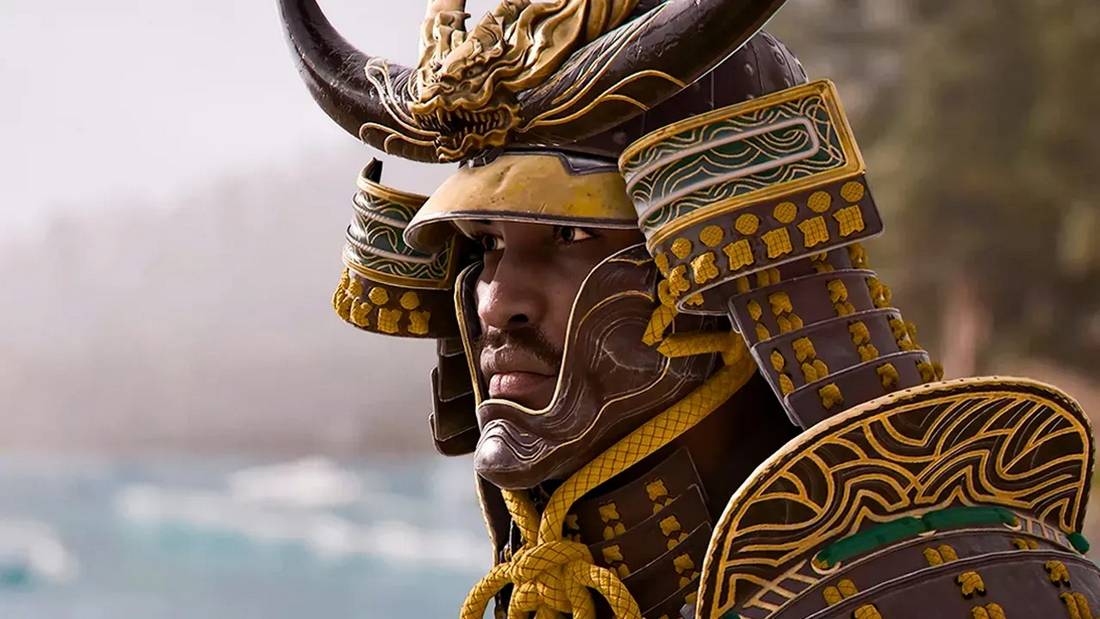
- The Shadows Precedent: The negative and often racist backlash surrounding the reveal of Yasuke, the historically inspired Black samurai protagonist in the upcoming Assassin’s Creed Shadows, was also cited as a contributing factor. The intensity of that online reaction reportedly made leadership even more risk-averse, demonstrating a willingness by a vocal minority of the audience to weaponize cultural and political debates against a product.
This episode highlights the contradiction that the Assassin’s Creed franchise, despite constantly exploring complex historical conflicts—which are, by definition, political—continues to be positioned by its leadership as a “non-political” gaming experience. The move suggests a definitive retreat from potentially controversial American history in favour of maintaining a safer political ‘status quo’.
Market Impact and the Future of the Franchise
The cancellation comes at a time when Ubisoft is already under intense market scrutiny, facing pressure to deliver high-quality, high-return titles to improve its financial outlook. Avoiding a project seen as a high-risk investment is a clear sign of financial caution.
The Assassin’s Creed roadmap remains full, with Assassin’s Creed Shadows (set in feudal Japan) due for release, and the highly anticipated, darkly-themed Assassin’s Creed Hexe (reportedly set during 16th-century European witch trials) in development. However, the decision to discard a title with such a compelling historical and moral premise raises concerns about whether the company is prioritizing safety over groundbreaking storytelling.
The creative cost of this decision, as one source noted, is immense: “They are making more and more decisions to maintain the political ‘status quo’ and take no stand, no risk, even creative.” For fans of the series who rely on it for complex engagement with history, the loss of a Reconstruction-era storyline feels like a missed opportunity to tackle one of American history’s most fraught and important periods with the narrative depth the franchise is capable of.
Ubisoft has not yet provided an official comment on the reported cancellation.