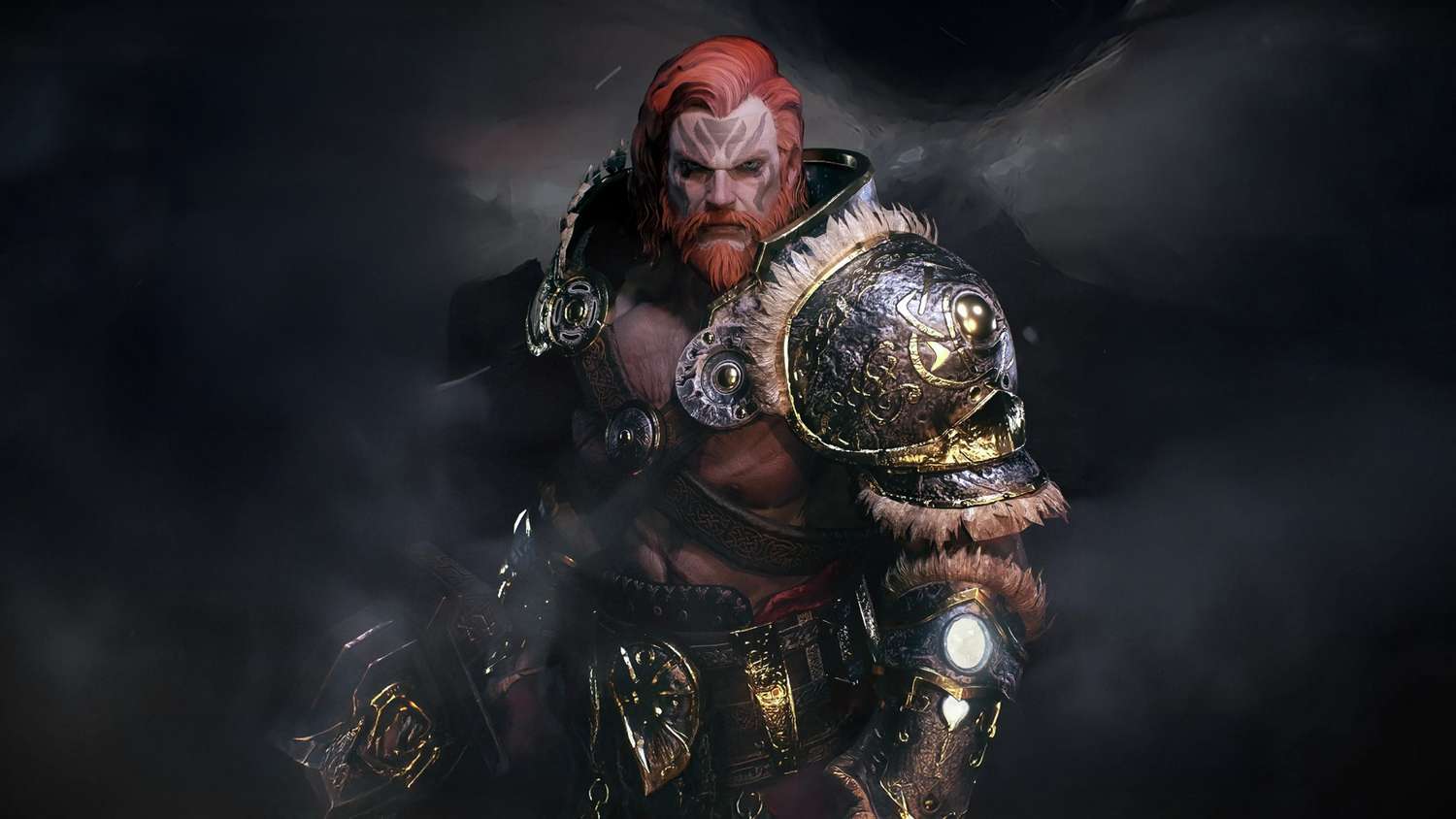
UnGodly: A Deep Dive into the Dark Fantasy RPG from the Visionary Behind Star Wars: Galaxy of Heroes










Popular Now
 PUBG Mobile
 Candy Crush Saga
 Brawl Stars
 Free Fire Max
 Toca Boca World
 Schedule I
 Fall Guys
 Genshin Impact
 Gacha Club
 Black Myth: Wukong

UnGodly: A Deep Dive into the Dark Fantasy RPG from the Visionary Behind Star Wars: Galaxy of Heroes—A 4th Generation Leap?
The Dark Fantasy RPG genre is preparing for a new contender. UnGodly, the debut title from Azra Games, is slated for a worldwide launch in Q1 2026 across iOS, Android, PC (Steam/Epic), and later in 2026 for PlayStation 5 and Xbox Series X|S. What makes this launch particularly noteworthy is the leadership behind the project: Mark Otero, the veteran game designer renowned for his foundational work on Electronic Arts’ massively successful Star Wars: Galaxy of Heroes (SWGoH). Otero and Azra Games are boldly proclaiming UnGodly as a “4th Generation RPG,” aiming to fundamentally redefine the lucrative character-collector RPG space by merging the high-fidelity experiences of console gaming with the accessibility of premium mobile gaming.
This commitment to a high-quality, cross-platform experience immediately sets UnGodly apart from the typical F2P (Free-to-Play) gacha model. The game promises a mature, uncompromising narrative set in the doomed world of Tarsea, where dead gods leave a void (the Nethermaw) that consumes trauma. The core conceit—that heroes (Primars) awaken their divine power through their greatest suffering—provides a dark, fertile ground for emotionally charged storytelling and innovative mechanics. This deep dive examines the bold promises of UnGodly, particularly its divergence from the traditional SWGoH design blueprint, and whether it can truly usher in the next era of mobile RPG excellence.
The Visionary Shift: From SWGoH’s Turn-Based Grinding to Real-Time Visceral Combat
Mark Otero’s Star Wars: Galaxy of Heroes perfected the turn-based hero collector loop, generating billions in mobile revenue and setting the template for countless successors (like Marvel Strike Force). UnGodly retains the core “collect and evolve” loop but executes a radical pivot in the core gameplay mechanics to focus on real-time strategic combat.
Brutal, Real-Time Combat: Ditching Autoplay
In a direct challenge to the often-idle, auto-play nature of 3rd generation mobile RPGs, UnGodly forces players to engage actively. Combat is described as “visceral” and real-time, requiring active input for movement, dodging, and strategic ability chaining.
- Elemental Combo System: Players control a party of four Primars, seamlessly swapping between them mid-battle. Success hinges on mastering elemental powers (ice, flame, earth, lightning) to trigger devastating elemental reactions and combos, a mechanic reminiscent of successful Action RPGs like Genshin Impact but applied to a dedicated character-collector framework.
- Mastery Over Monotony: The developers explicitly state the combat “rewards mastery with raw, brutal fights” and is designed to stand apart from typical mobile RPGs. This suggests a higher skill ceiling and a greater focus on player input and timing, a key draw for the traditional PC gaming and console RPG audience.
This commitment to real-time strategic gameplay on mobile platforms represents a significant game development risk but offers a potentially massive competitive advantage if executed flawlessly, bridging the gap between the speed of mobile action games and the depth of party-based RPGs.
The Affinity System: Bonds Create Power and Narrative Depth
The most innovative element of UnGodly is the Affinity System, which is tied to both the core narrative and gameplay progression. It’s a direct attempt to inject true, emotional role-playing depth into the often “soulless” hero-collector model.
Trauma, Trust, and Tactical Synergy
The game’s narrative premise—heroes bound by shared trauma—is reflected directly in the Affinity Mechanic:
- Dynamic Storytelling: Relationships between the Primars (like Vander, Damea, Kaida, Tarik) deepen through shared battles, dynamic dialogue that evolves based on party composition, and intimate side quests. This system unlocks vulnerability-driven narratives, hidden storylines, and even romance paths, ensuring the process of “collecting” a hero involves deep character investment, not just resource farming.
- Tactical Synergy: As Affinity levels increase, heroes unlock synergy bonuses and powerful new Affinity Skills that are only usable when specific characters are grouped together. This turns the process of team building from a pure stat-optimization puzzle into an emotional and narrative choice, forcing players to consider the relationships when designing their battle squad.
The Affinity System promises a crucial shift away from the purely transactional gacha monetization model, aiming instead for sustained user engagement based on emotional investment in the characters. This emphasis on deep character progression is a hallmark of successful AAA video game storytelling.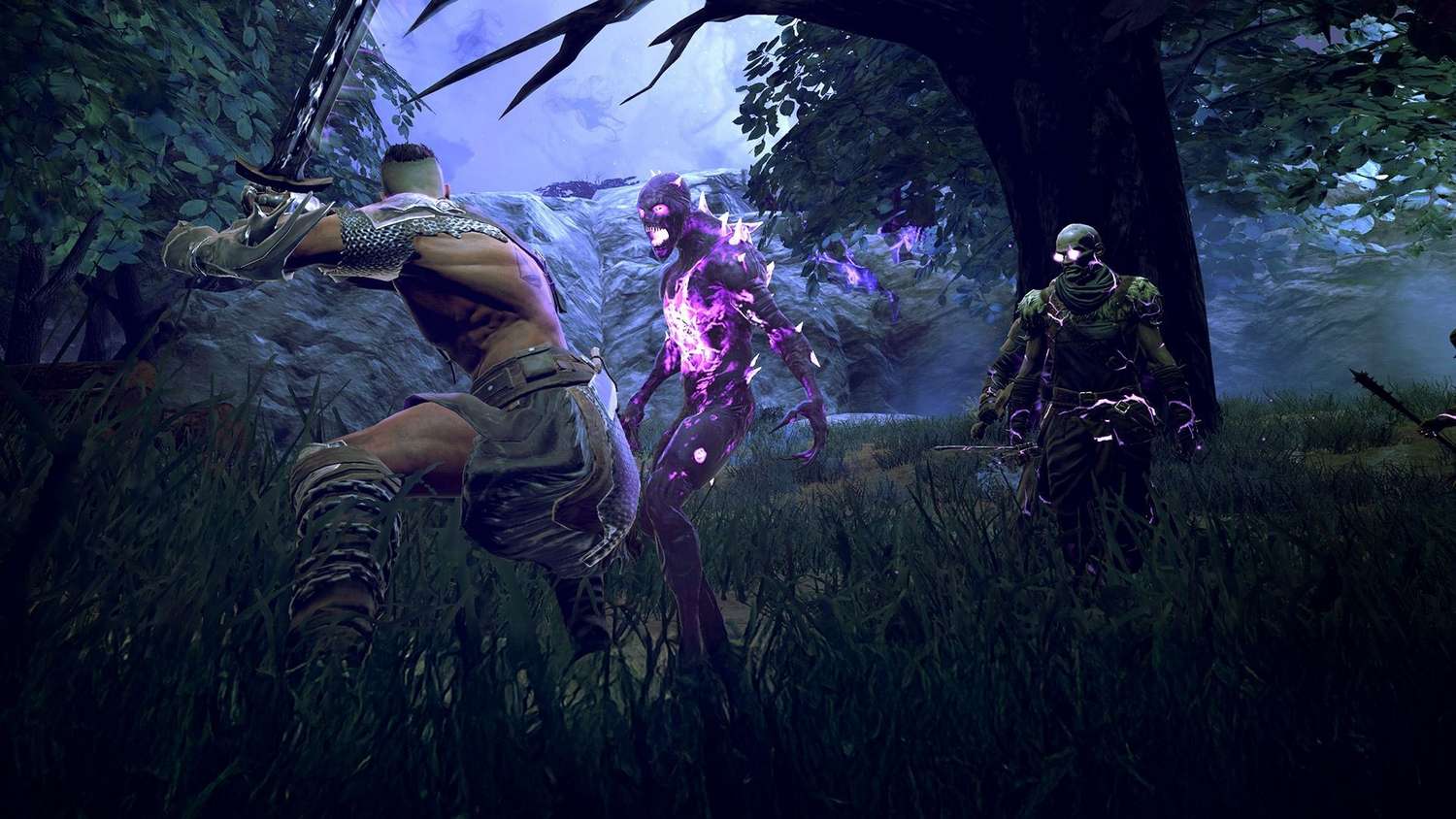
Monetization Strategy and the F2P Challenge
The announcement that UnGodly will be a Free-to-Play (F2P) title across all platforms immediately raises questions about its monetization model, given Otero’s history with SWGoH’s famously aggressive systems.
- The 4th Gen Promise: Otero claims Azra Games is “pioneering the 4th generation of mobile RPGs,” suggesting a design philosophy that minimizes pay-to-win elements common in 3rd generation hero collector RPGs. While the game is confirmed to be a “character-collector,” the emphasis on skill-based combat and the Affinity System could potentially shift the focus away from raw statistical acquisition (gacha pulls) toward mastery, strategic team composition, and meaningful daily play.
- Cross-Platform Consistency: The commitment to launching on consoles and PC (where players are highly sensitive to aggressive F2P models) dictates a need for a more equitable and less predatory monetization strategy than often found solely on mobile. The game must deliver console-quality experiences in its extended PvE campaigns and open-world freedom to justify its cross-platform ambition.
The success of UnGodly will be a key indicator of whether the F2P business model can evolve to prioritize player skill and narrative investment over the relentless optimization of microtransactions and character shard farming.
Conclusion: The Burden of the Next Generation
UnGodly is an undeniably ambitious project. Led by a figure whose previous work defined the competitive hero-collector landscape, the game promises a vital pivot: from turn-based repetition to real-time strategic combat, and from pure statistical collection to emotional, narrative-driven character progression. The dark fantasy setting of Tarsea, the visceral combat loop, and the innovative Affinity System all point toward a truly modern RPG experience designed to attract the high-value, quality-conscious JRPG and Dark Fantasy audience.
The release in Q1 2026 will be the ultimate test of whether Azra Games can deliver on the promise of a “4th Generation RPG”—one that successfully merges the vast scope and polish of a console RPG with the convenience and revenue potential of a mobile platform, setting a new standard for the entire industry.