
University of Tennessee Launches ‘Grand Theft Auto’ History Course, Using Games to Teach U.S. History










Popular Now
 Gacha Club
 Fortnite
 Minecraft
 Garena Free Fire: Kalahari
 Brawl Stars
 Roblox
 Free Fire Max
 Grand Theft Auto V
 Counter-Strike 2
 Toca Boca World
x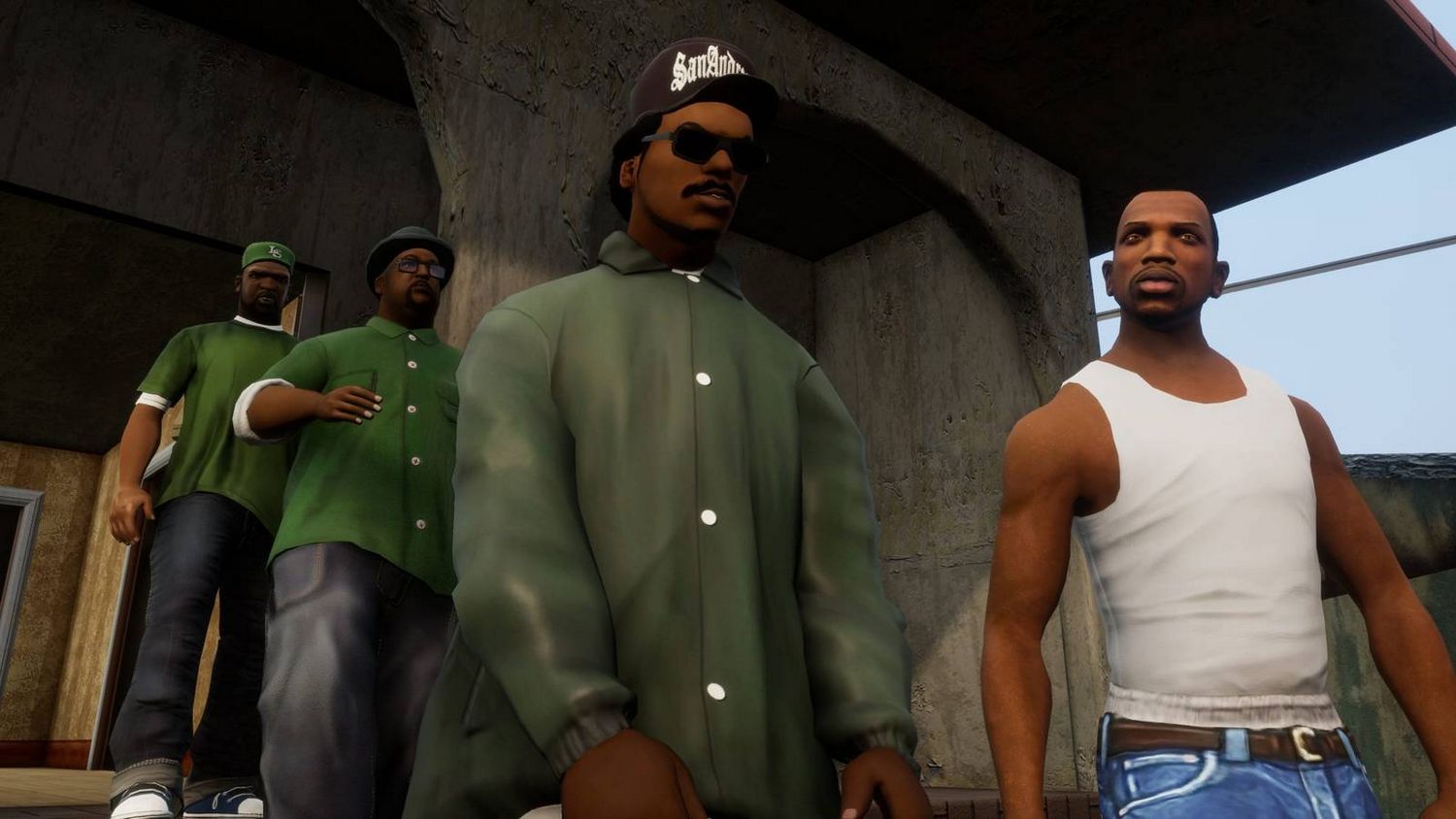
In a groundbreaking move that highlights the growing academic legitimacy of video games, the University of Tennessee has announced a new college course that will use the Grand Theft Auto series as a lens to study American history. The class, titled “Grand Theft America: U.S. History Since 1980 Through the GTA Video Games,” will be taught by history professor Tore Olsson starting in January 2026. This course is a clear signal that video games are now being recognized as a legitimate medium for academic analysis, capable of reflecting and critiquing the culture, politics, and social issues of their time. The news has created a significant buzz within the gaming community and academic circles, with many praising the innovative approach.
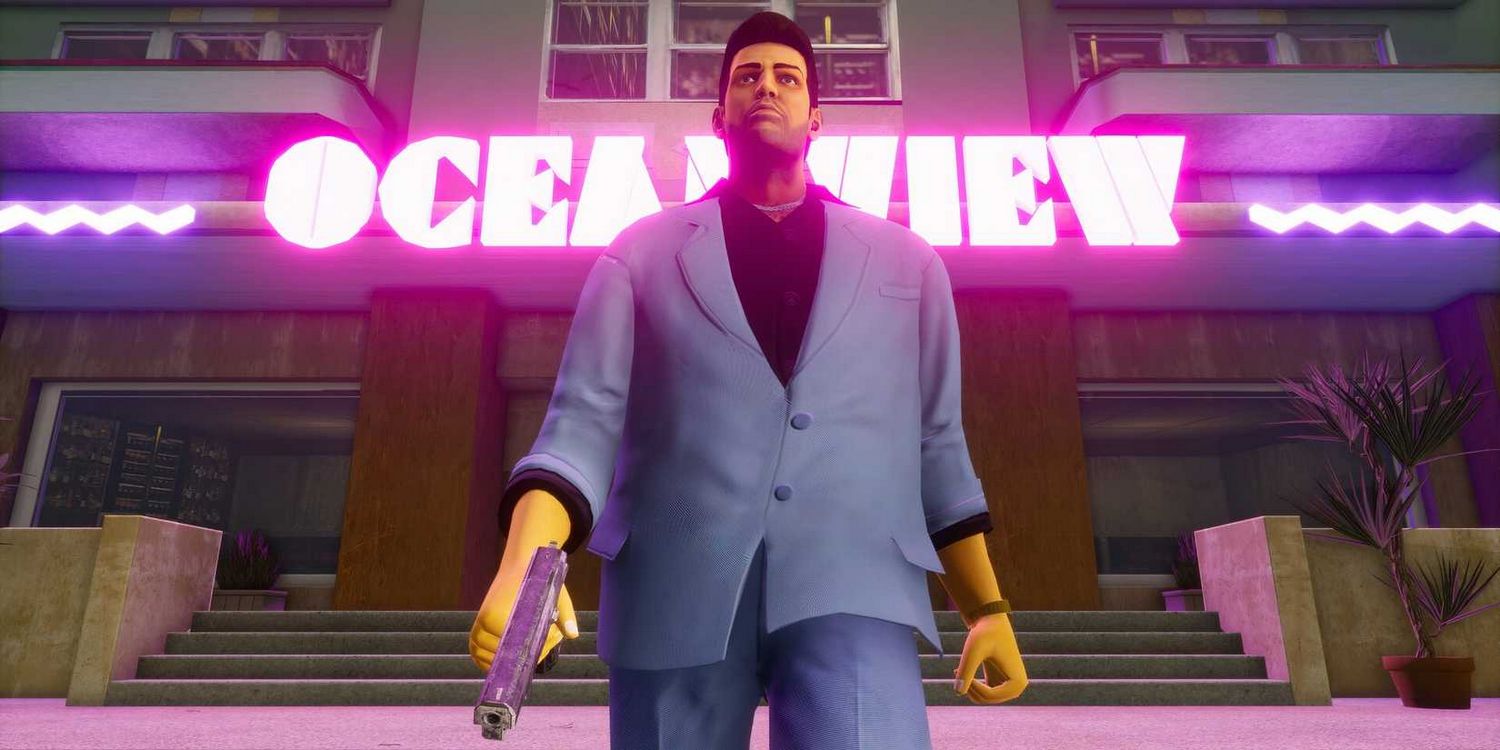
The course will not be a typical gaming class where students play the game for grades. Instead, the games will serve as a framework for understanding real-world historical events. Professor Olsson, who previously taught a similar course using the Red Dead Redemption series, plans to use the satirical and detailed worlds of Grand Theft Auto‘s various iterations—from Liberty City to Vice City and Los Santos—to explore key historical themes. The curriculum will delve into topics such as the deregulation of the 1980s, the Los Angeles riots of 1992, the war on drugs, the rise of post-9/11 security culture, and the influence of media and pop culture on public opinion.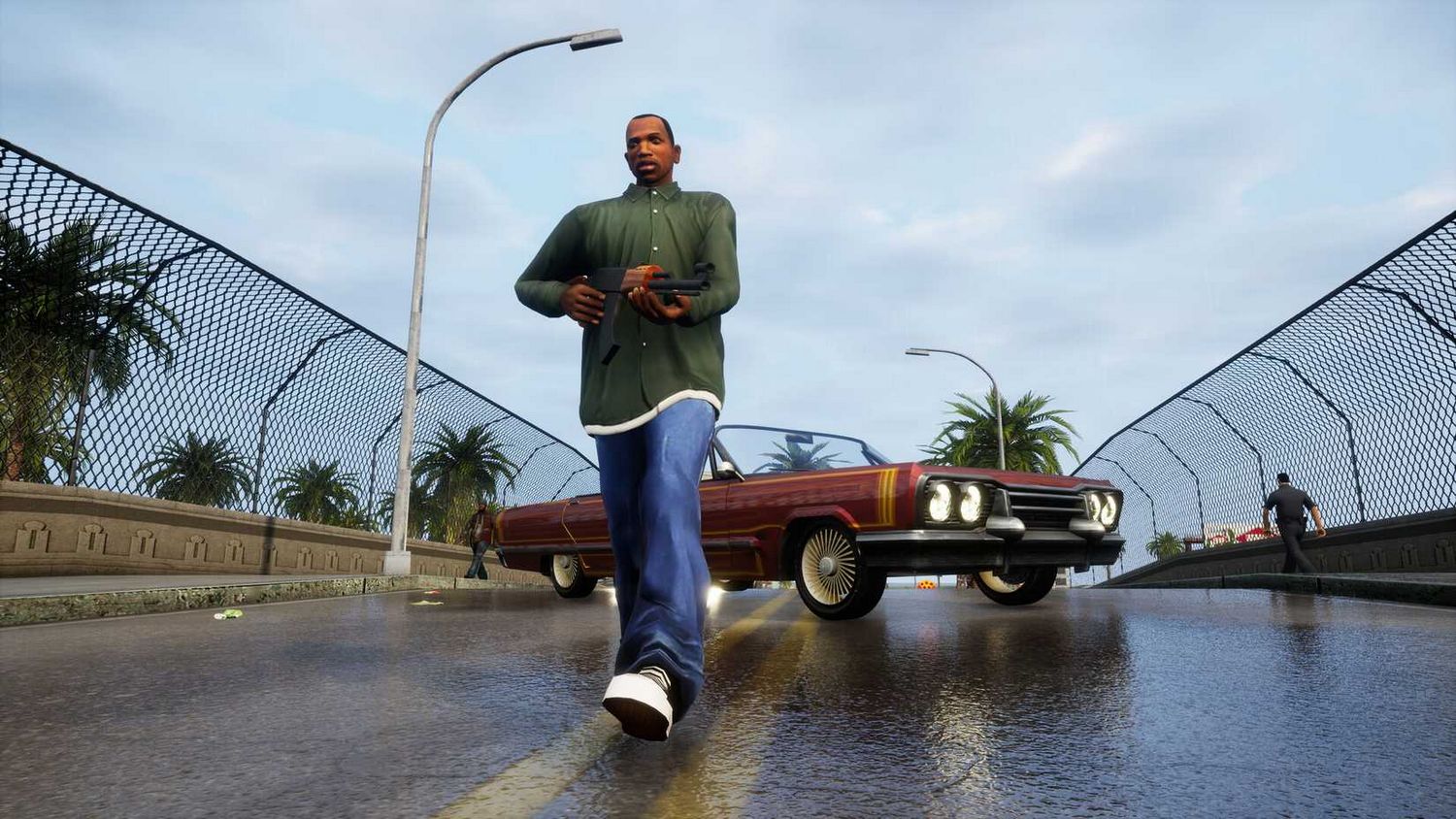
Dissecting the Syllabus: GTA as a Historical Document
The academic rigor of the course is a central point of discussion. Professor Olsson has clarified that the class is “much more about American history than the games themselves,” and students will not be required to own a console or play the games. Lectures will use curated clips from the games, and students will be assigned essays and readings from historical texts to complement the in-game examples. For instance, the course will use Grand Theft Auto: San Andreas as a case study to explore the social and political climate that led to the 1992 Los Angeles riots. The game’s depiction of gangs, police corruption, and racial tensions will be used as a starting point for discussions on these complex and often misunderstood events. Similarly, the satire of the in-game news channels, talk radio, and corporations will be used to analyze media panics, political satire, and Wall Street greed.
The course’s curriculum is a bold statement that video games have matured as a medium, moving beyond simple entertainment to become a powerful form of cultural commentary. The decision to launch the course before the highly anticipated release of Grand Theft Auto 6 in May 2026 was a matter of academic scheduling. While Professor Olsson had hoped to include the new title, the university’s timeline could not wait. However, this allows the course to focus on the historical context and legacy of the series as it stands, preparing students to analyze the forthcoming game’s own commentary on modern America.
 Academic Trends and the Future of Gaming in Education
The introduction of a GTA history course is part of a broader trend in academia to incorporate popular culture into the curriculum. For decades, universities have offered courses on film, music, and television, and now, video games are taking their place as a subject of serious study. This trend is a sign of the immense cultural and economic influence of the gaming industry. As video games become more complex and their narratives more nuanced, academics are finding a wealth of material for analysis. The fact that a professor from a major university is using a franchise as controversial as Grand Theft Auto demonstrates a willingness to engage with even the most challenging and debated aspects of the medium. The reception to the course has been largely positive, with many applauding the university for its forward-thinking approach. This move is a powerful signal that the scholarly analysis of video games is no longer a niche field but is becoming an integral part of the humanities. This innovative approach not only engages students but also attracts significant media attention and is a source of high-value high-CPC keywords for the institution.