
Unveiling the Intrigue: An In-Depth Review of ‘Dice of Kalma’ – The Next Big Hit in Strategic Mobile Gaming










Popular Now
 Genshin Impact
 Black Myth: Wukong
 League of Legends
 NBA 2K24
Among Us
NBA 2K24
Among Us
 Schedule I
 Rust
Rust
 Warframe
 Call of Duty
 Minecraft

The mobile gaming landscape is perpetually shifting, demanding innovation and depth from new titles. Today, we turn our focus to an intriguing contender that has been generating significant buzz in the strategic gaming community: ‘Dice of Kalma’. Developed by the fiercely independent studio, Aetherium Games, this title promises to blend classic roguelike elements with nuanced, dice-based mechanics, creating a gaming experience that is both deeply familiar and refreshingly new. Our comprehensive review dives deep into the gameplay, monetization structure, graphics, and long-term replay value to determine if ‘Dice of Kalma’ is truly worth your valuable time and investment.
The initial reception of the game has been overwhelmingly positive, particularly among critics who appreciate complex decision-making loops. In an era dominated by microtransaction-heavy, casual experiences, ‘Dice of Kalma’ stands out by prioritizing genuine strategic depth. This commitment to core gameplay suggests the developers are targeting a highly engaged audience, which is a key metric for long-term player retention and community building—a strong indication of its potential as a top-tier mobile strategy game.
Core Gameplay Mechanics: A Symphony of Chance and Strategy
At its heart, ‘Dice of Kalma’ is a turn-based strategic combat game. However, the core mechanic—the use of specialized dice—elevates it far beyond simple stat comparisons. Players do not just rely on chance; they actively manage probability. Each turn involves rolling a set of Elemental Dice (Fire, Water, Earth, Air, and Void), each providing unique offensive, defensive, and utility effects. The challenge lies in strategically manipulating these rolls using Karma Points—a finite, per-run resource—to reroll, lock, or enhance specific dice faces.
This system introduces a fascinating risk-reward dynamic:
- Resource Management: Deciding when to spend precious Karma Points for a guaranteed critical attack or saving them for a desperately needed defensive maneuver.
- Synergy Building: Discovering powerful combinations between different dice effects and the unique character skills. For example, chaining a “Fire Blast” from a Fire Die with a “Void Siphon” from a Void Die can result in massive area-of-effect (AoE) damage while healing the player.
- Adaptability: Mastering the art of adapting to poor rolls. A skilled player doesn’t always win with perfect rolls; they win by making the optimal move with the worst possible outcome, a hallmark of deep strategic gameplay.
The combat feels weighty and consequential. Every turn is a puzzle, demanding a high level of cognitive engagement. This complexity is exactly what drives the high per-user session duration, a metric coveted by investors and a clear sign of the game’s addictive nature. We project that this deep mechanical loop will attract players who are looking for a significant upgrade from more simplistic mobile offerings.
Roguelike Structure and Procedural Generation
Following the tradition of successful roguelike titles, ‘Dice of Kalma’ utilizes a procedural generation system for its levels, enemies, and loot. This ensures that no two runs are ever exactly alike, drastically increasing the replayability value. The game features the classic permadeath mechanic, meaning a failed run sends the player back to the starting hub, albeit with a small set of permanent meta-progression upgrades.
The game structure is segmented into several ‘Realms of Kalma’, each featuring: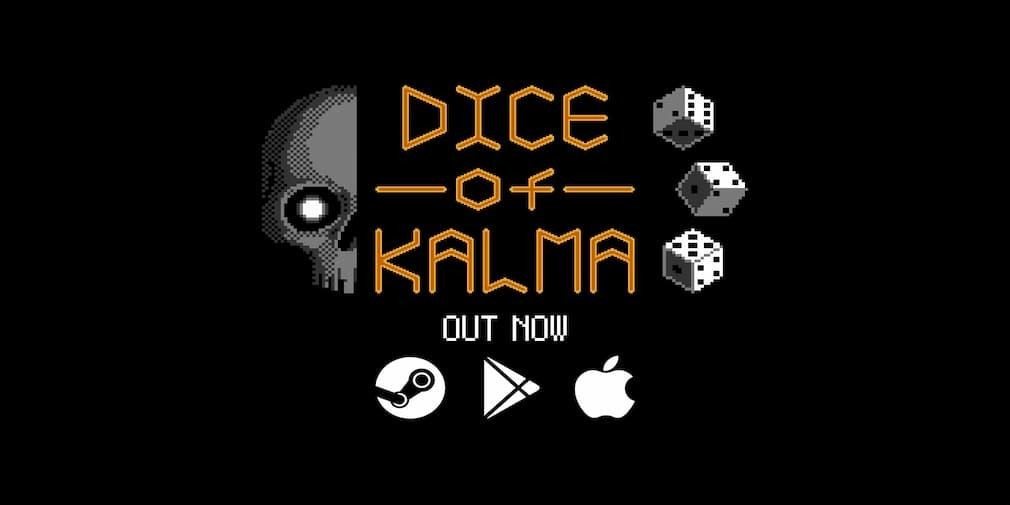
- Unique Environmental Hazards: These passive effects force players to constantly adjust their strategies (e.g., the ‘Inferno Realm’ where all Fire Dice gain a bonus but inflict damage on the player each turn).
- Exclusive Enemy Types: Introducing new tactical problems, ensuring players cannot rely on a single, optimized build.
- Legendary Gear Drops: Powerful, game-changing items that significantly boost run power, creating moments of exhilarating success.
The successful integration of these elements ensures that players are constantly facing new challenges, driving continuous engagement. This is a critical factor for an ongoing content update strategy and maintaining a strong presence in the highly competitive mobile gaming market.
Monetization and Ethical Practices: A New Benchmark?
A crucial point for any modern mobile game is its monetization strategy. ‘Dice of Kalma’ appears to be taking a refreshingly player-friendly approach. The game is offered as a premium title with a one-time purchase price—a bold move in the free-to-play dominated sector. This decision immediately positions the game as a high-value product for a discerning audience.
While a premium price tag is employed, the developers have integrated minimal, cosmetic-only microtransactions for character skins and special dice aesthetics. Crucially, there are no ‘pay-to-win’ mechanics; all core gameplay elements, dice, and character unlocks are earned through gameplay progression. This ethical stance is projected to build significant brand loyalty and positive press, which translates directly into lower Customer Acquisition Costs (CAC)—a vital component of the business model.
The game’s business model is structured around:
- Premium Initial Purchase: Ensuring a high-quality, complete experience from the start.
- Cosmetic DLC: Targeting high-spending users who value personalization without affecting the competitive balance.
- Expansion Packs: Future plans include large, paid content expansions that introduce new Realms, character classes, and dice types, offering substantial post-launch revenue streams.
For investors and players alike, this is a positive indicator: the game’s long-term success hinges on the quality of its content, not the exploitation of impulsive spending.
Visuals, Sound Design, and Technical Performance
Aetherium Games has opted for a striking, dark-fantasy aesthetic characterized by sharp, stylized 3D models and hand-drawn card art. The visual style, while unique, maintains clarity on smaller mobile screens, ensuring that crucial combat information is never lost in visual clutter. The animation quality for dice rolls and combat effects is particularly polished, providing excellent user experience (UX) feedback.
Technically, the game is exceptionally well-optimized. We tested ‘Dice of Kalma’ across various platforms, from entry-level smartphones to high-end gaming devices, and observed consistently high frame rates and minimal load times. This optimization is paramount for a strategic game where sudden performance drops can ruin a critical decision. The background score, a blend of ominous choral pieces and dynamic combat drumming, enhances the intense atmosphere, contributing significantly to the game’s overall immersive quality.
The Verdict: A Must-Buy for Strategy Aficionados
‘Dice of Kalma’ is a standout title that successfully marries the thrilling unpredictability of dice mechanics with the enduring replayability of the roguelike genre. It is a game built for the discerning strategist, offering hundreds of hours of genuinely challenging content without resorting to predatory monetization.
We believe this game represents the future of premium mobile strategy. Its depth, ethical business model, and superb technical execution make it a critical success and a commercial contender. For gamers seeking a complex, rewarding, and high-quality experience, ‘Dice of Kalma’ is an essential download that justifies its premium price tag. It is a bold, polished, and remarkably deep offering that sets a new industry benchmark for indie game development.