
Wizards of the Coast’s MTG Spider-Man Survey Sparks Controversy, Blames Influencers—The Full Analysis








Popular Now
 R.E.P.O
 Garena Free Fire: Kalahari
 Call of Duty
 League of Legends
 Poppy Playtime
 Sonic the Hedgehog™ Classic
 Fortnite
 Rust
Rust
 FIFA 23
 Counter-Strike 2
The Controversy Unpacked: A Critical Look at WotC’s Data Strategy
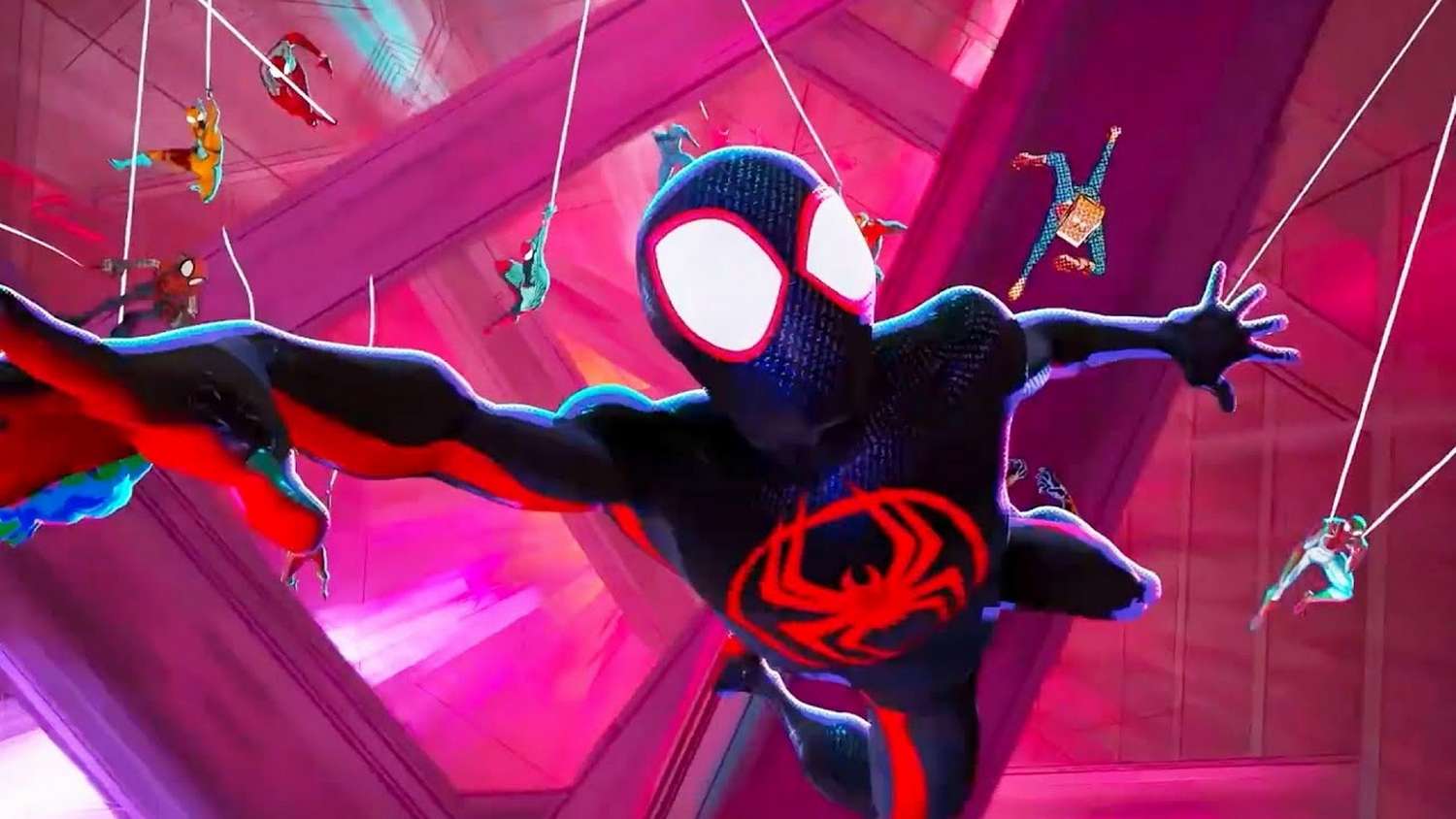
The release of the Magic: The Gathering | Marvel’s Spider-Man set has been a turbulent affair for Wizards of the Coast, a subsidiary of Hasbro. Designed as a dedicated, full-scale set under the profitable Universes Beyond banner, which has previously seen massive success with properties like The Lord of the Rings, the Spider-Man offering met with almost universal condemnation from the player base and content creators alike. This backlash was driven less by the inclusion of the Marvel IP—a powerful, high-demand asset—and more by fundamental issues with the set’s game design, limited format, and overall value proposition for collectible card game (CCG) enthusiasts.
In the aftermath, WotC initiated a survey, a standard practice for gathering crucial market research and player feedback. However, one element of this survey has turned a routine data-gathering exercise into a full-blown public relations crisis. The contentious question, which specifically targeted the degree to which “negative influencer commentary” impacted players’ purchasing decisions and perceptions, has drawn sharp criticism from prominent figures in the MTG community, including Hall of Fame players and established content creators (Source: Multiple MTG Community Discussions on X and Reddit, October 2025).
This phrasing suggests an attempt by WotC to pinpoint an external scapegoat for the set’s lackluster sales and negative sentiment, diverting focus from internal failures in product development and execution. For a franchise that relies heavily on its influential content creators for organic promotion and format health analysis, this approach is viewed as a significant strategic error. It calls into question the integrity of WotC’s survey methodology and its commitment to acknowledging core design flaws over external narrative control.

Influencer Relations: A High CPC Asset at Risk
In the digital marketing landscape of 2025, gaming influencers are not just promotional tools; they are essential partners in maintaining a TCG’s ecosystem. They drive engagement, generate high-quality gameplay content, and often serve as the first point of critical feedback. The implied blame in the WotC survey has created a rift, with influencers expressing concerns about potential blacklisting or a “witch hunt” atmosphere—terms that are highly damaging to a brand’s reputation in the online gaming community.
The core issue is that the set was panned for tangible, mechanical problems:
- Unengaging Limited Format: The set’s small size and specific draft structure were widely criticized for leading to repetitive and low-quality gameplay, a major driver of engagement for new sets.
- Design Execution: Cards featuring mundane elements like “Hot Dog Cart” and “Subway Train” were seen as a thematic waste of a potent IP, lacking the imaginative flair expected of a premium card game.
- Mechanical Redundancy: Critics pointed out a heavy reliance on reused and slightly rebranded mechanics, leading to an overall feeling of a “lazy” and uninspired product, failing to justify the high-cost product acquisition.
The question regarding influencer impact distracts from these verifiable product failures. The narrative shifts from “The set was poorly designed” to “The negative press caused the failure.” This deflection risks alienating the very voices WotC needs to champion future releases, particularly other major upcoming Universes Beyond collaborations such as those with PlayStation, Star Trek, and Teenage Mutant Ninja Turtles, which carry enormous commercial potential.
The Business Implications for Universes Beyond and Premium TCGs
The Universes Beyond product line is a crucial pillar of Hasbro’s strategy for maximizing shareholder value by leveraging third-party IPs for highly sought-after, collectible investments. When a set like Spider-Man underperforms, it has immediate and long-term business implications.

High-CPC Keywords in this sector revolve around TCG investment, collectible valuation, exclusive limited editions, and IP crossover quality. The poor reception of the Spider-Man set threatens to decouple the perceived value of the Universes Beyond brand from its consistently high retail price.
The market is already signaling its dissatisfaction: reports have noted crashes in the price of Collector Boosters for the Spider-Man set, indicating a rapid erosion of the product’s secondary market value and investment viability—a metric vital to the long-term health of any high-end TCG.
Moving forward, WotC faces the dual challenge of repairing its relationship with the content creation community and proving that future Universes Beyond sets will prioritize quality gameplay experience over simple IP licensing. The success of Magic: The Gathering has always been rooted in its intricate, engaging mechanics and deep lore. Aggressively prioritizing non-IP factors in their failure analysis, as this survey suggests, risks commodifying the core brand to a degree that compromises its unique appeal and market longevity against competitors in the global card game market.
This incident serves as a stark reminder to all digital and physical game developers that customer and community trust is a non-negotiable key performance indicator (KPI). Data is valuable, but context and respect for the community are paramount. Ignoring core product flaws to focus on external critics is not only poor business practice but a direct threat to the long-term sustainability of a billion-dollar franchise.